

The Old City: Leviathan
Developer: PostMod Softworks | Publisher: PostMod Softworks |Release Date: 2014 | Genre: Indie / Adventure | Website: Official Website | Format: Digital Download
“You are about to inhabit a broken mind. Not everything you see or hear is trustworthy.” These are the ominous words that greet you when you start The Old City: Leviathan from PostMod Softworks. Set in a decaying city, after an event called “the fall” Leviathan is a title where the focus is entirely on the story. The abstruse plot slowly unfurl as you explore the mysterious surroundings of your isolationist character. The more you explore, the more you will learn, but don’t expect the game to ever provide you with the answers on a silver platter.
Viewed from a first person perspective TOC: Leviathan opens in a sewer which serves as a dwelling for your character. From his cryptic, but eloquent ramblings it becomes clear that your character regards his surroundings as a living entity. While it is never explained exactly what “the fall” was it clearly had apocalyptic consequences which resulted in what is left of humanity clustering together in factions. As you explore your surroundings you’ll discover typewriter pages filled with the thoughts and musings of another dweller. Although he appears to be a bit more lucid than your character, they share the same sense of misanthropy that permeates the narrative of the game. I’m being purposefully vague about the factions, people and events in this title because the story literally is the “game” and I really don’t want to ruin anything. Suffice to say I spent most of my first playthrough with a furrowed brow and the feeling of attempting to assemble a jigsaw puzzle without knowing if I have all the pieces or even what the bigger picture is. TOC: Leviathan is definitely a title where one playthrough is probably not enough to really wrap your head around what is happening.
Anyone expecting a proper “game” is probably going to have a tough time with TOC: Leviathan. Firstly, there are no puzzles to solve and secondly there are no other characters to interact with either verbally or through combat. Your interaction with the gameworld is limited to open doors and finding the hidden notes that reveal more about the story. If you do not enjoy exploring and discovering every nook and cranny of a game you probably won’t get your money’s worth from this title. It is easy to simply stroll straight to the exit of a chapter and miss out on all the notes and scenes that paint such an intriguing picture of the plot. The pace of the game is also very slow, so anyone who dislike titles such as Dear Esther and Gone Home will probably struggle to appreciate The Old City: Leviathan. Initially it certainly feels restrictive to see the tools and objects scattered throughout the gameworld without any way to obtain or interact with them, but you slowly become used to it. As there are no locked doors requiring cryptic puzzle solving or inconveniently distant keys to unlock you never have any need to pick up anything either.
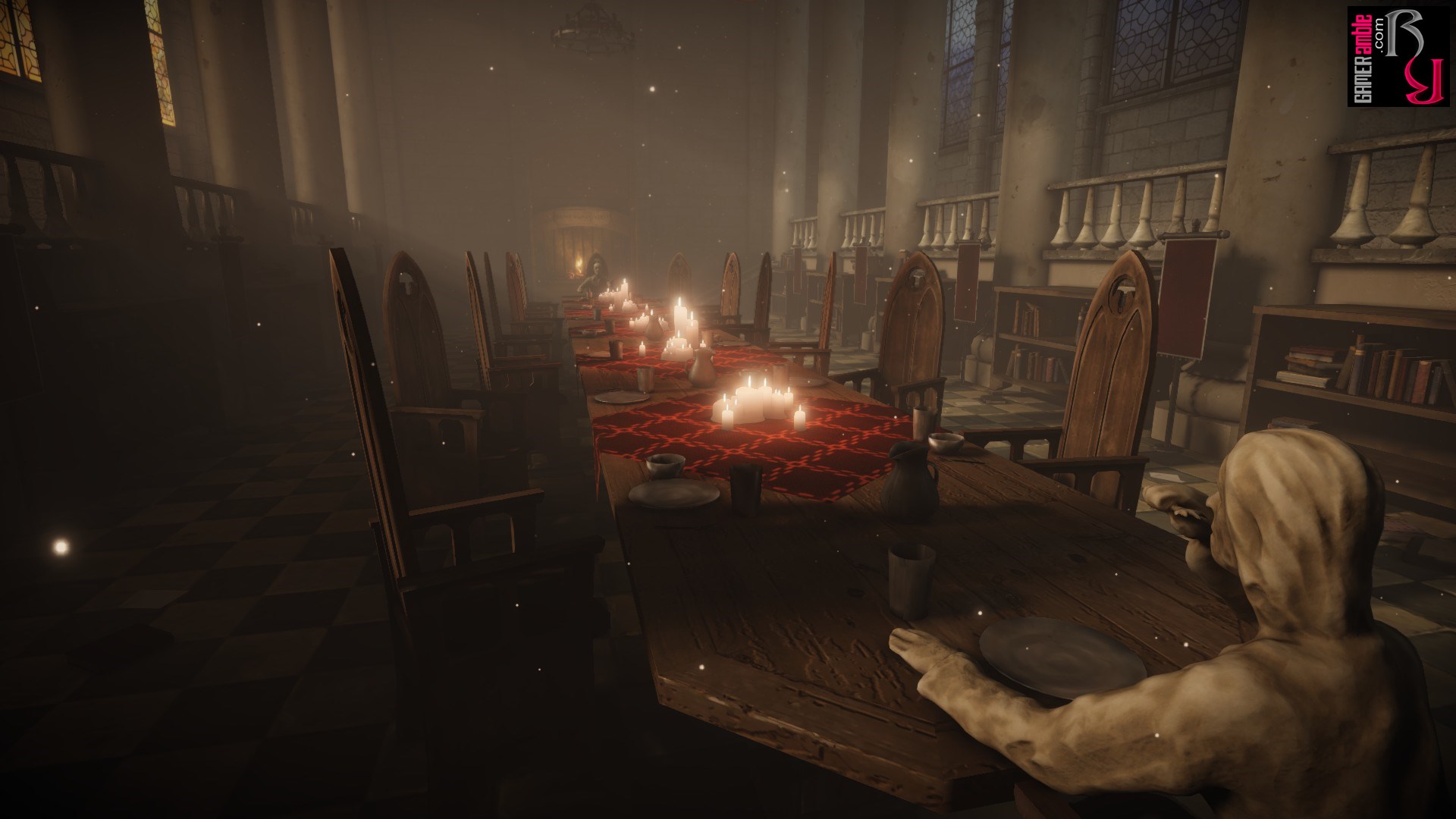
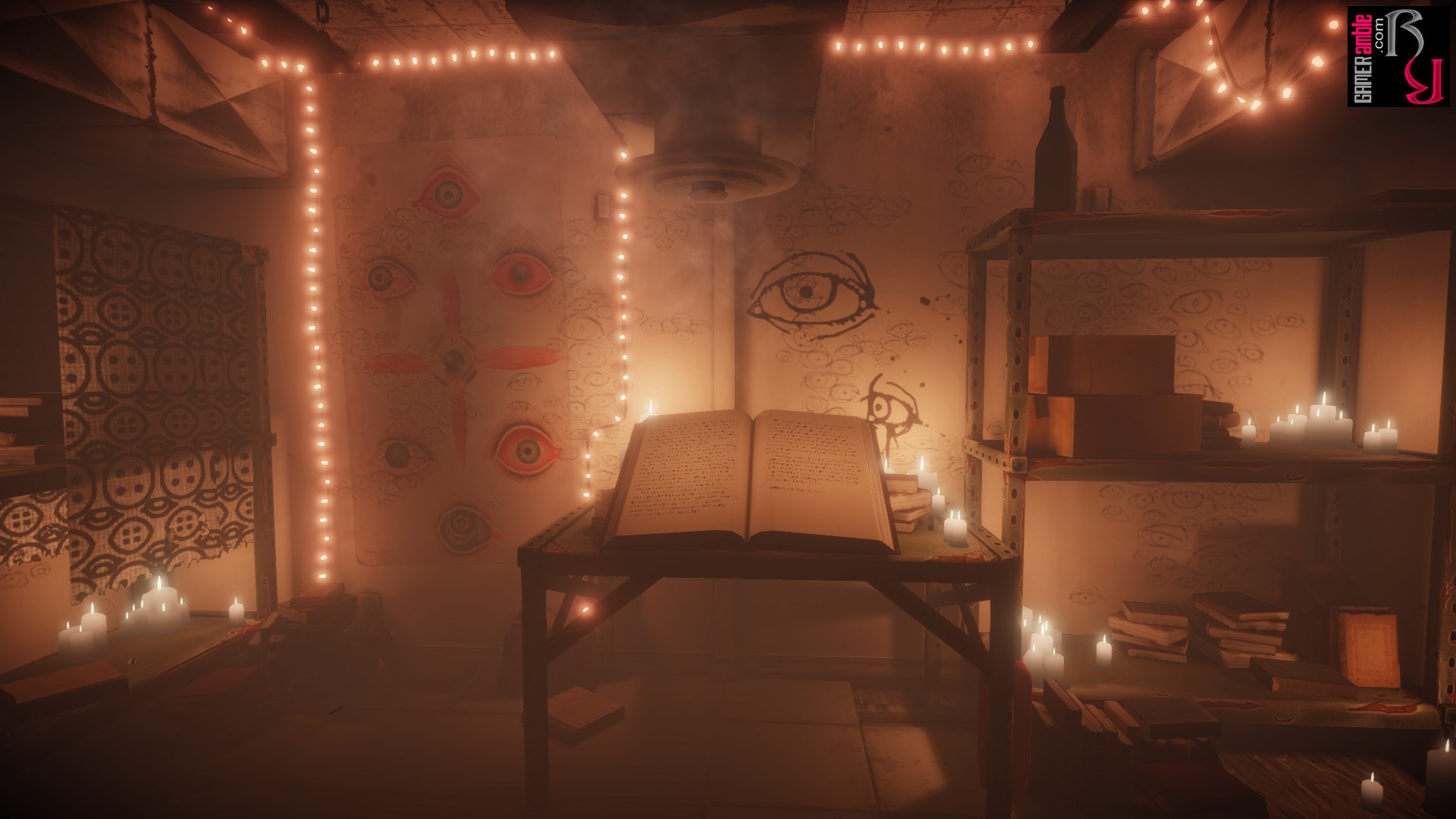

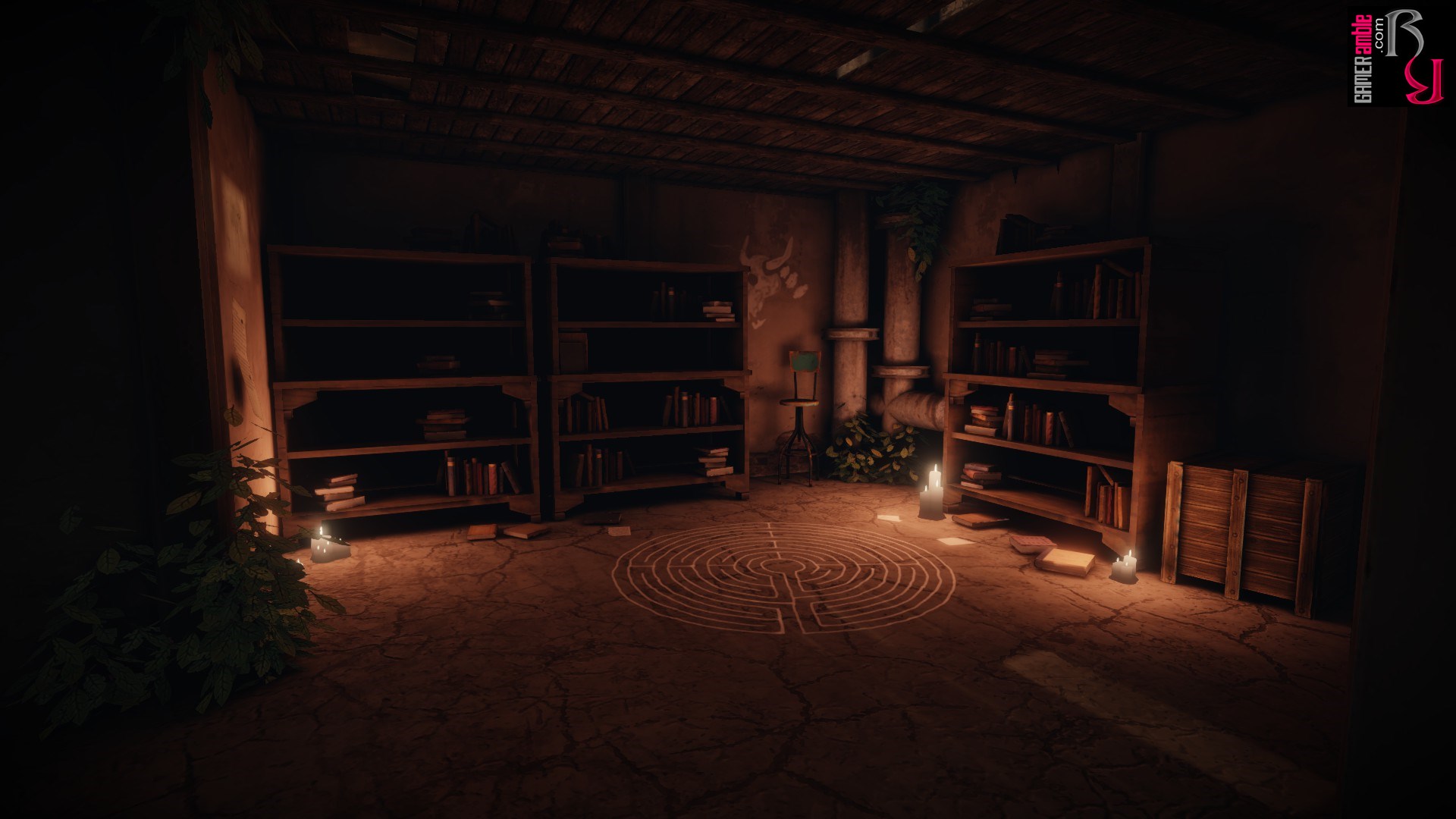

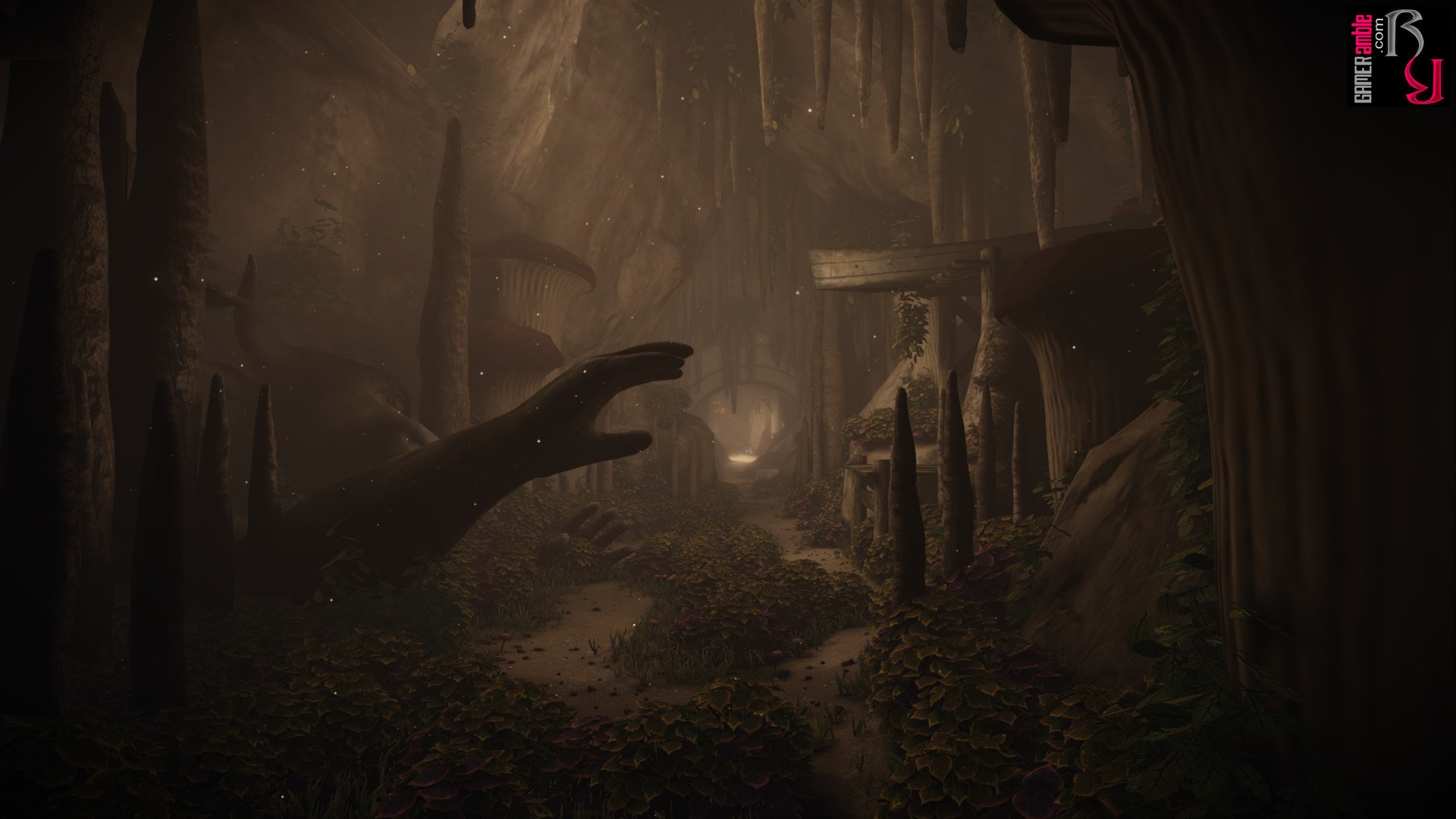
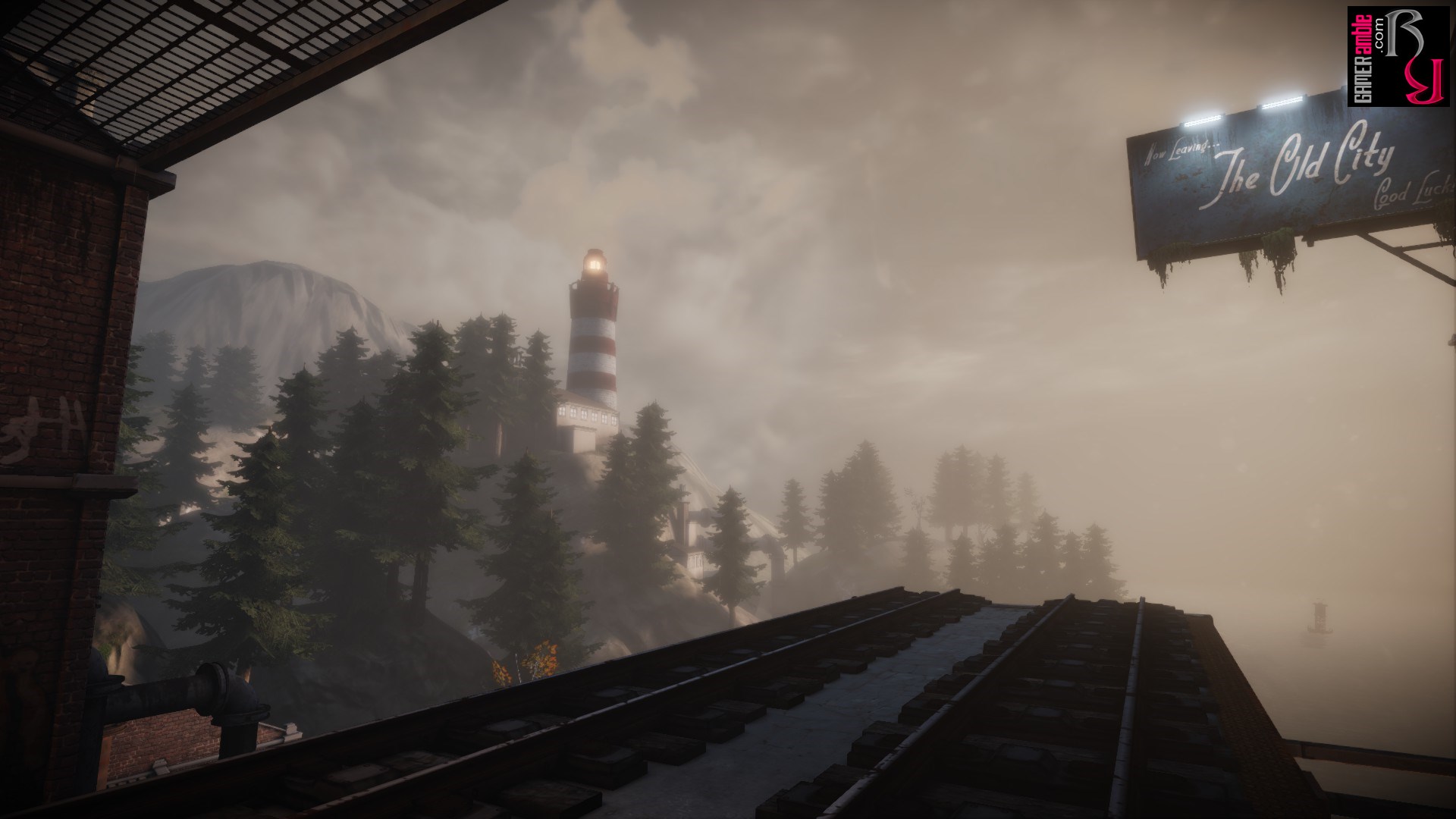
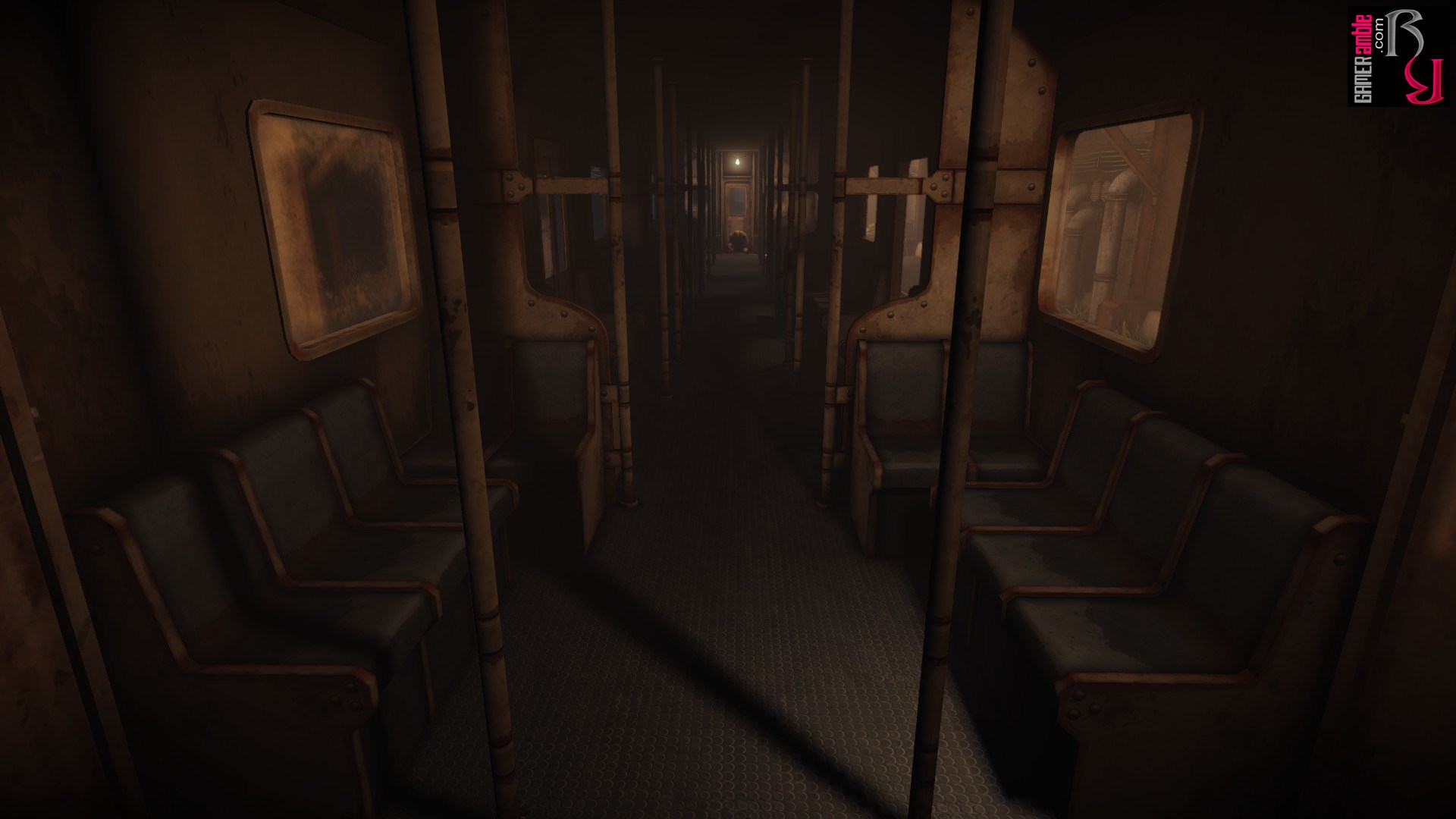
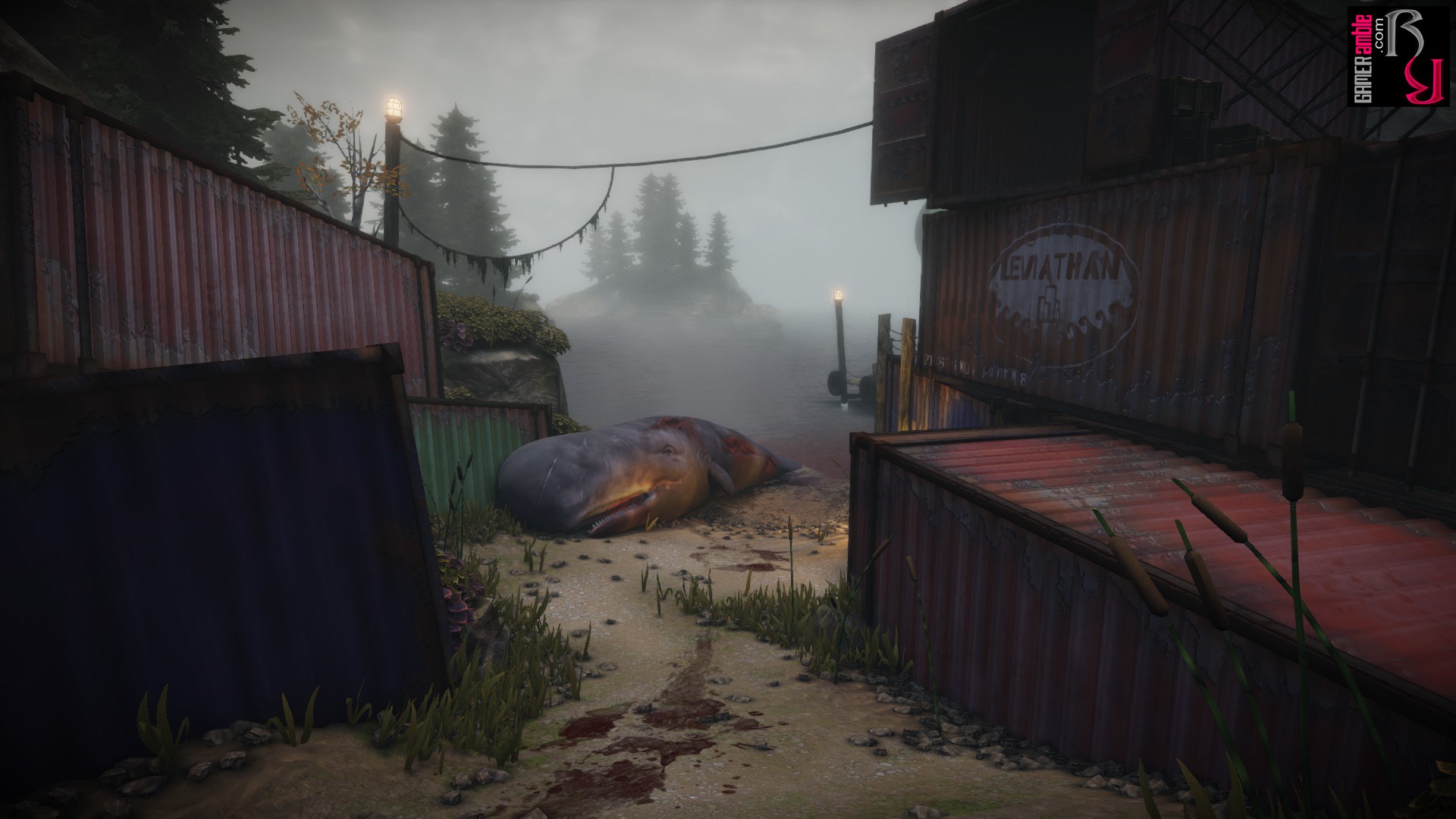
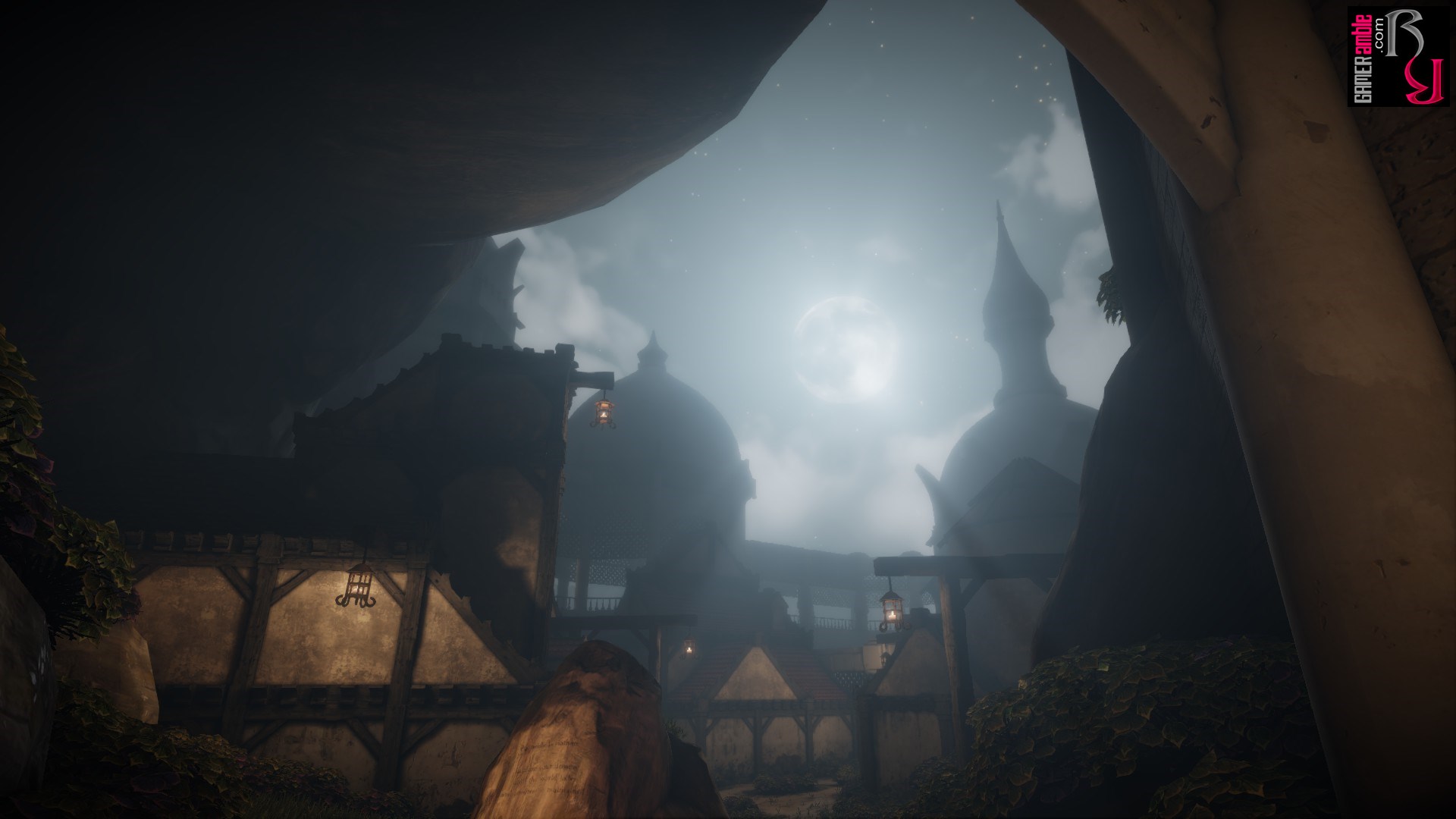
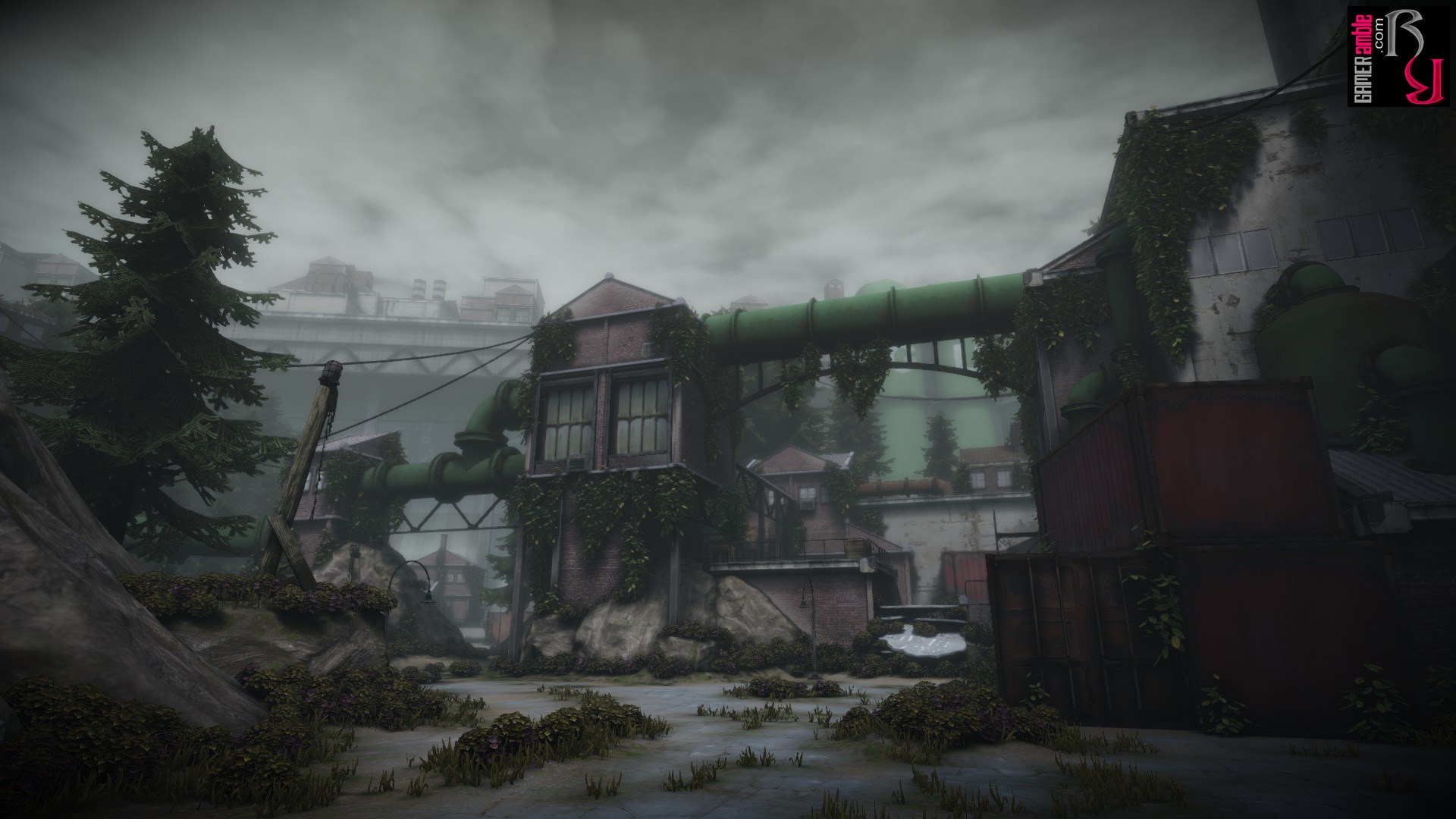

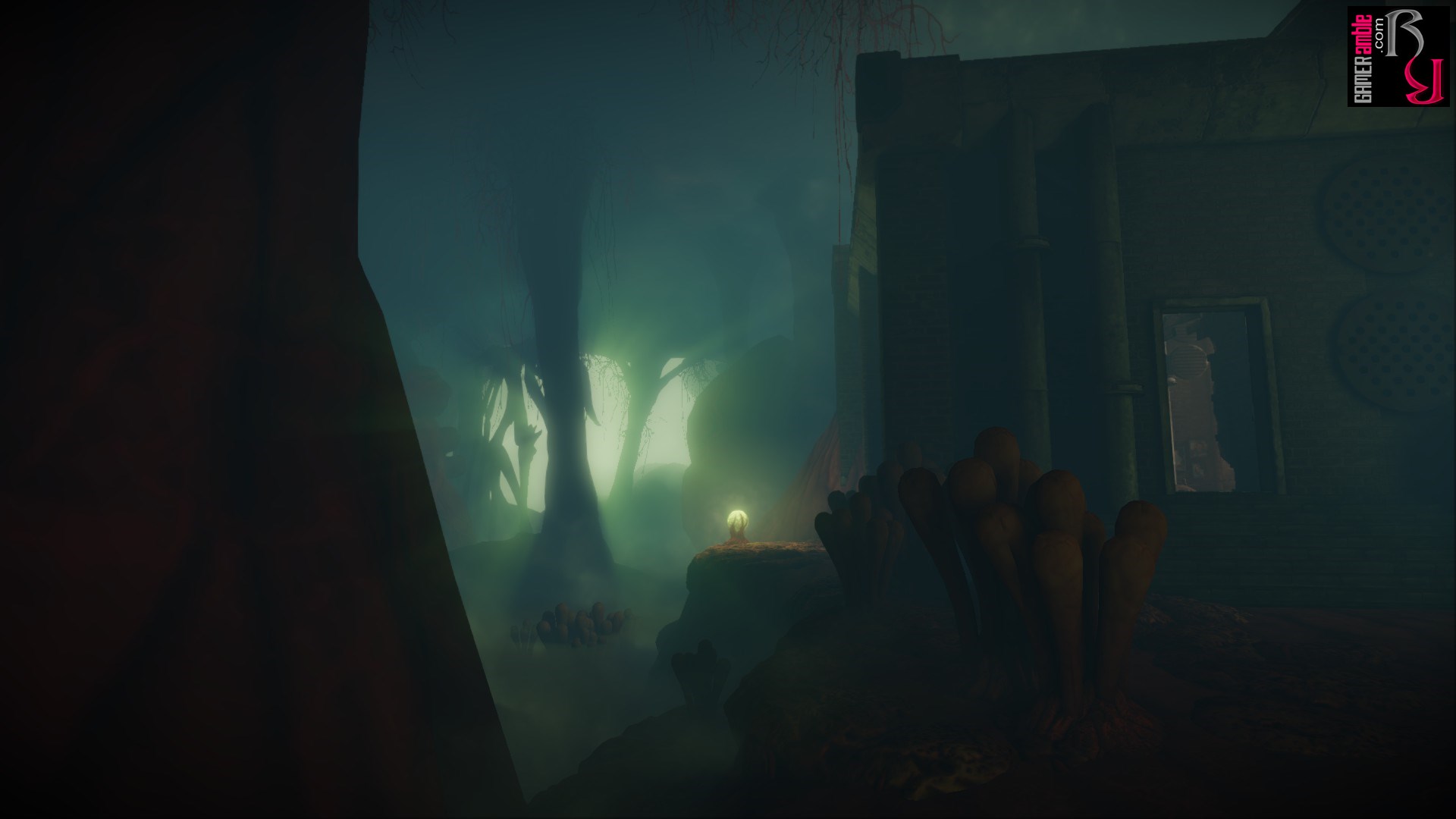
Since it is powered by the Unreal Engine this title is capable of some very impressive visuals. The use of light in particular gives the environments a very unique and desolate feeling that is not often found in games. While it unfortunately doesn’t have the same level of visual fidelity as titles such as The Vanishing of Ethan Carter there were still a few scenes that I found awe inspiring. The dank sewer environments of the first chapter soon gives way to dreamlike vistas filled with surreal imagery and the artists really made the most of the fact that the protagonist is slightly unhinged. Instead of people you encounter statues and sometimes you’ll see bodies littering the floor where previously your character only saw their discarded weapons. Eyes are painted everywhere and you’ll keep finding imagery of mazes and minotaurs. With the sun filtering through the trees or cracks and crevices in dilapidated buildings the game has a very tranquil feeling. Some of the imagery you encounter are slightly disturbing, such as a dead whale washed up on the shore or the remains of other dwellers who met an untimely fate, but these never veer into outright horror.
The audio in TOC: Leviathan definitely contributes to the atmosphere and the low-key music along with the excellent sound effects paints as much of a picture as the visuals. The actor providing the voice for the protagonist also did a very good job of making the soliloquies sound convincing. For an immersive experience I really recommend playing the game with a good set of headphones so you can pick up all the subtle background noises of the environments. Since your interaction with the gameworld is so limited the controls work fine with a typical keyboard and mouse setup.
Even after completing the game twice and finding all the notes that make up a novella worth of backstory for the game there were still some elements that left me puzzled. Players who do not take the time to explore and find the notes left behind by Solomon (biblical names such as Jonah, Moses and Abraham is a common theme in this title) will find themselves even more in the dark. There are seven chunks of notes spread across the eleven chapters in the game, but the prose is rather lengthy to read while playing. Fortunately, you can read the notes at any time from the main menu after their discovery and you can also replay chapters to hunt down the ones you missed. You won’t find any straight answers, but they do shed some light on certain scenes you discover while exploring.
According to the developers, The Old City: Leviathan offers an experience that is not normal, especially for players used to your typical run-and-gun titles. Its slow place and entirely story based focus will resonate most with players willing to immerse themselves in the setting and soak in the atmosphere instead of rushing through it with some end goal in mind. As this title is the first part of a larger story it leaves many questions unanswered, but the philosophical themes it explores will provide you with more than enough to contemplate until the release of the next installment.
System Requirements
- OS: Windows Vista / Windows 7 / 8
- Processor: 3.0 GHz dual core or better
- Memory: 4 GB RAM
- Graphics: DirectX 9 compatible with 512 MB video RAM or better (NVIDIA GeForce GTX 460 / ATI Radeon HD 5850)
- DirectX: Version 9.0
- Hard Drive: 3 GB available space
- Sound Card: Windows compatible sound card
- OS: Windows 7 / 8 – 64-bit
- Processor: 2.4 GHz quad core or better
- Memory: 4 GB RAM
- Graphics: DirectX 9 compatible with 1 GB video RAM or better (NVIDIA GeForce GTX 760 / ATI Radeon HD 7950)
- DirectX: Version 9.0
- Hard Drive: 3 GB available space
- Sound Card: Windows compatible sound card


Starglad December 3, 2014
Wow are those screen captures or renders?
GAMERamble December 3, 2014
All the images on this page are screenshots taken directly while playing the game (including the header and page background.)