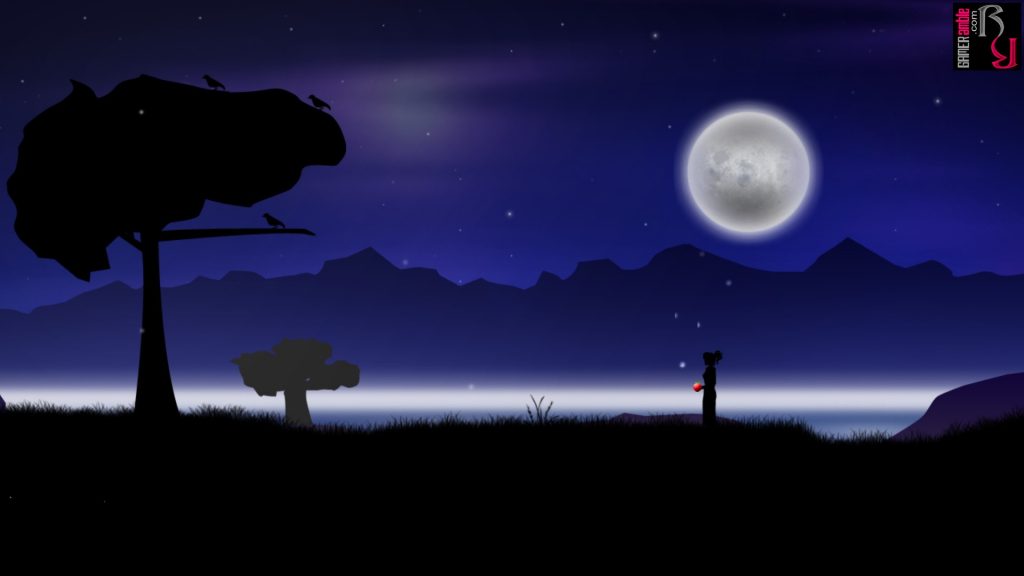
Star Sky 2
Gameplay 7
Graphics 7
Sound 7

Star Sky 2 is a very short, 2D walking simulator that takes players through a limited number of landscapes. Players can interact with the environments to see short animations. It improves on the original game with an additional character and the ability to loop through environments without having to restart. Actions in one path can also influence another, and the game has more choices but loses some of the original’s uniqueness. Fans of the original will enjoy it, but the short, basic nature of the game will limit its appeal for those who are not already big on walking simulators.

Gameplay: The game adds more choices and consequences to its simple formula but has lost some of the original’s charm.

Graphics: The visuals and animations are minimalist but do the job.

Sound: As with the original, the game features some nice ambient sound effects and soothing music

Summary 7.0 Good

Star Sky 2

Developer: Mårten Jonsson, JMJ Interactive | Publisher: PLAYISM | Release Date: 2016 | Genre: Casual / Adventure / Indie | Website: Official Website | Purchase: Steam

The original Star Sky allowed players to experience the story of a man out on a midnight stroll. The goal was simply to soak up the experience and find all the strange encounters. It was a simple game that could be completed in a matter of minutes but offered enough replay value to make it worth the low asking price. Star Sky 2 follows directly in the footsteps of its predecessor but tries to be a little more mysterious.

The developer describes Star Sky 2 as a personal experience offering players a deep atmosphere and meditative gameplay. However, it is pretty much the same in style and gameplay as the original game, so players once again walk along a path while listening for audio cues, indicating they can trigger certain events by remaining stationary for a while. Players can choose between two characters this time, meaning more choices and consequences. 

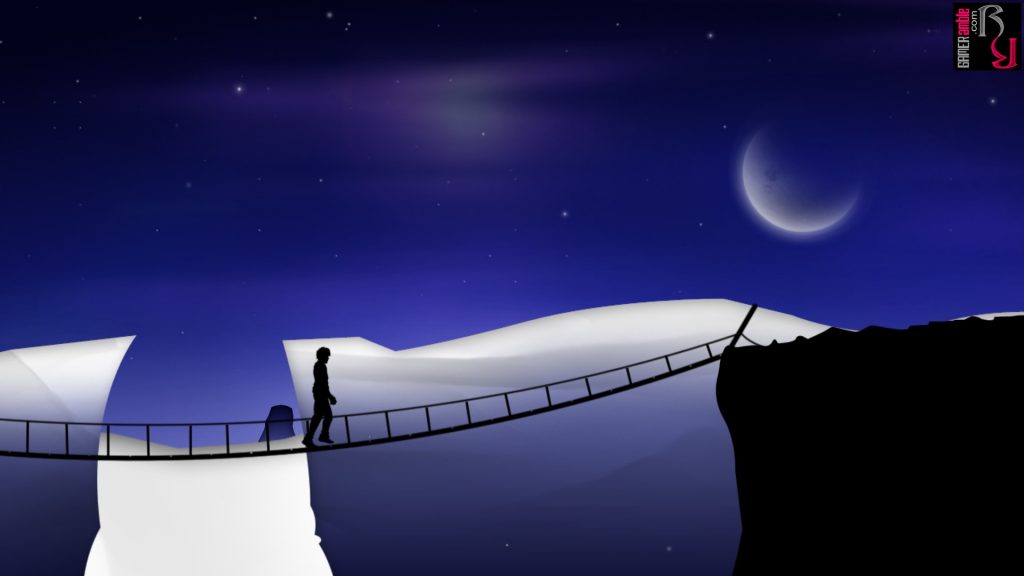
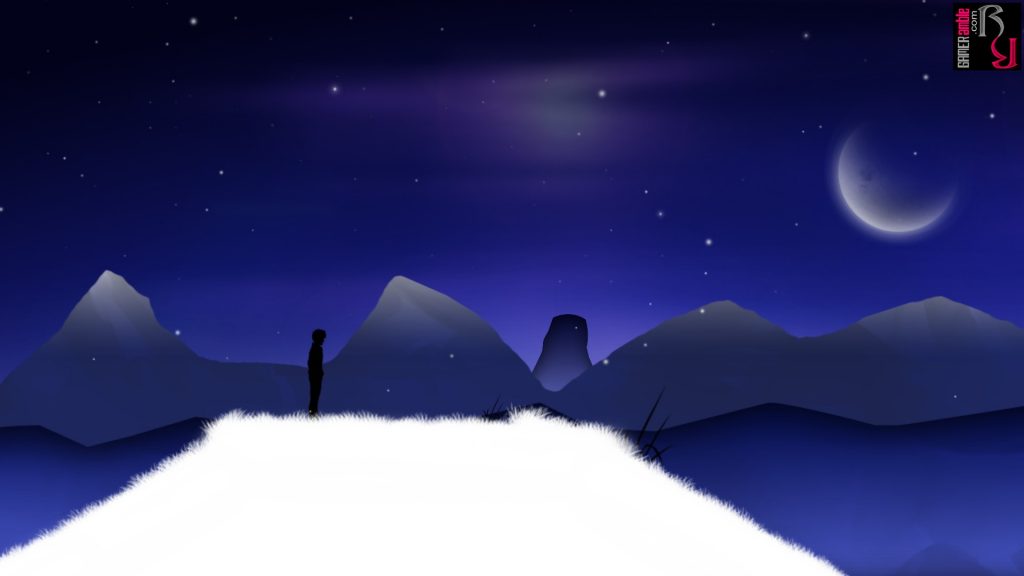
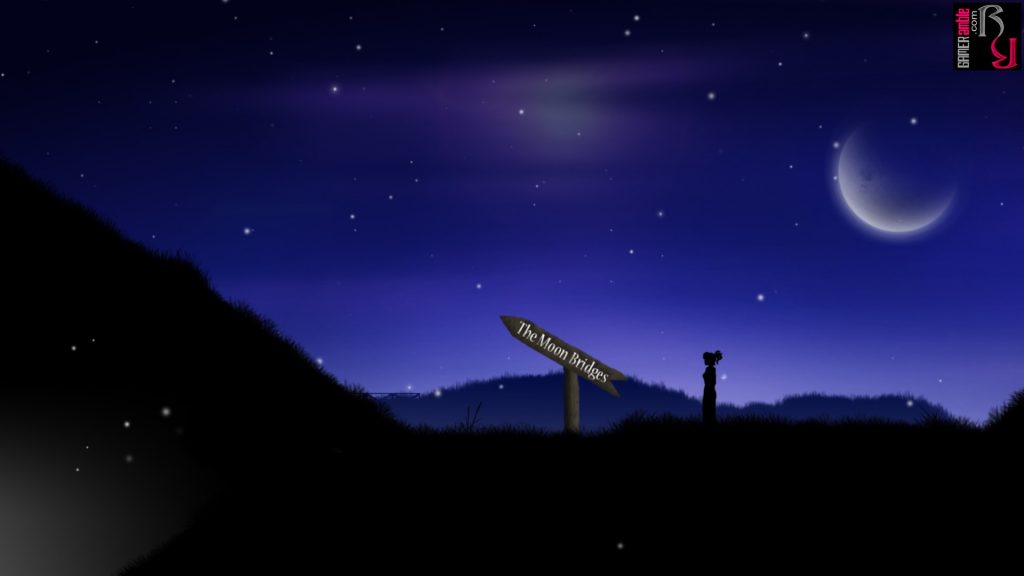
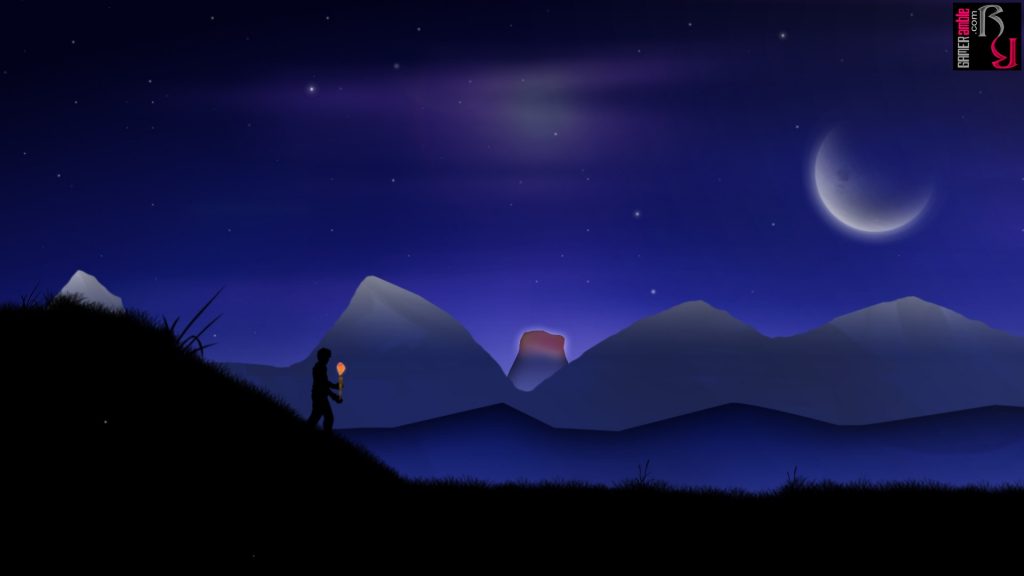
Visually, Star Sky 2 features the same 2D visuals with simple silhouettes for the characters and foreground details. The backgrounds are also pretty sparse, and as the name suggests, the entire game takes place at night, which makes for a very blue color palette. In addition, the animations are just as simple as the original game, and the different environments are quite limited. 

After starting the game, players can view a short explanation of how to play or jump straight into the adventure. The gameplay remains unchanged, so players can only move in one direction with no option to turn back. However, this time, it is possible to loop through the areas instead of restarting the game. Since there are now two characters, each with their own areas, it also means that some events in one path can influence what happens in the other. It’s still very simple; for example, scaring away birds in one route will cause them to appear in the other, so don’t expect to be solving intricate puzzles. Some actions are very obscure, so enabling the hint system for visual clues can be a big help in discovering a few of the available interactions.

The audio for Star Sky 2 is as sparse as the visuals, but the game retains the relaxing atmosphere of the original with some nice ambient sounds. Unfortunately, while trying to be more mysterious, the game does lose some of the charm that the original had. The environments include areas such as the Moon Bridges, Lakeland, Fog Field, Tundra, Peak, and Cave, but each can be traversed in a few seconds and is not really that memorable. The game tries to make up for this by offering multiple endings, but getting all of them involves a lot of repetition, and the payoff tends to be rather vague and unrewarding.
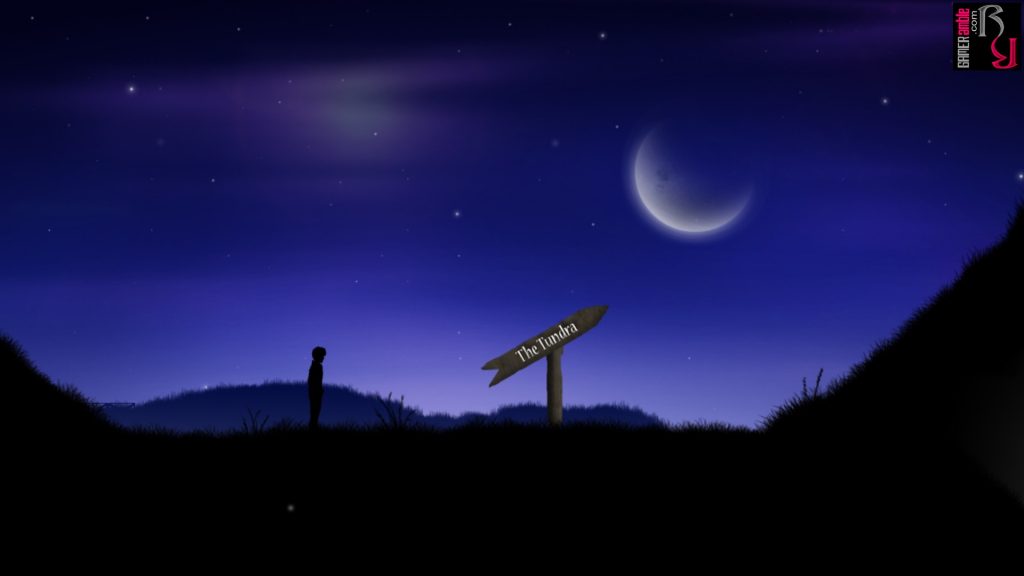
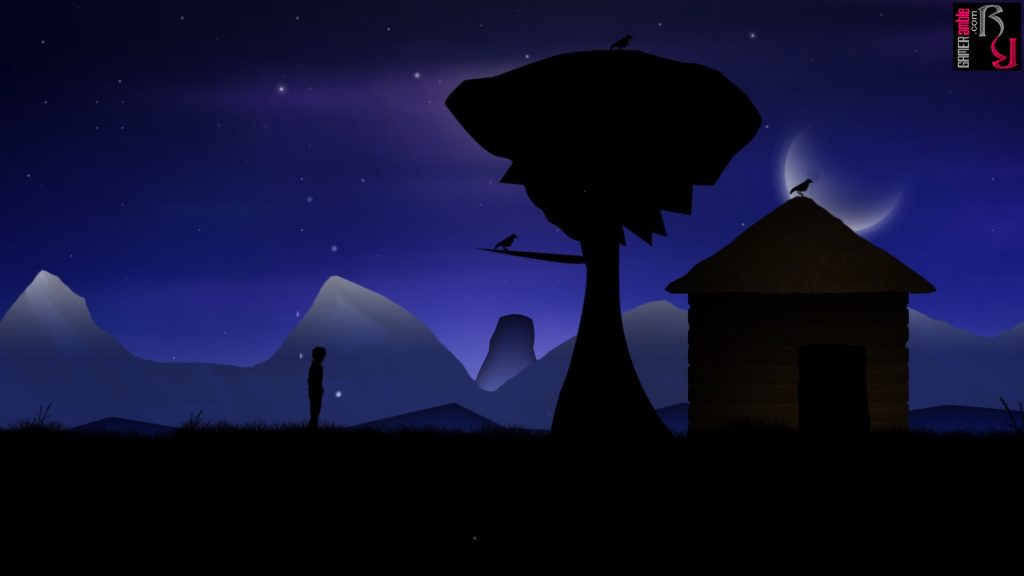
Controlling the characters involves holding the right-arrow key to move to the right when playing as the “Dreamer” and holding the left-arrow to do the same as the “Gardener.” Holding the up-arrow causes the character to run, but since there’s no way to turn around, this comes with the risk of missing some interactions. This is less of an issue than the original, as it is now possible to loop back around, so it’s easy enough to return to scenes. 

Overall, Star Sky 2 offers more of what Star Sky had, which means fans of the original should enjoy it. There’s not really a continuation of any story, so fans of walking simulators who have not played the first game can play this one without fear of missing out on anything important. Although the game didn’t manage to captivate us as much as the first, it was still interesting enough to earn all the achievements. Anyone who couldn’t get into the first game or have no interest in short, walking simulators can safely give Star Sky 2 a miss.    

System Requirements

  • OS *: Windows XP and up
  • Processor: 1Ghz
  • Memory: 1 GB RAM
  • Graphics: Built-in
  • Storage: 135 MB available space
  • Sound Card: Built-in
  • OS: OSX Lion
  • Processor: 1Ghz
  • Memory: 1 GB RAM
  • Graphics: Built-in
  • Storage: 347 MB available space
  • Sound Card: Built-in
  • Additional Notes: Slowdowns can occur if using a retina screen. rezise the window to compensate.
  • OS: Confirmed on Ubuntu 16.04 and above, use other OS at own risk
  • Processor: 1Ghz
  • Memory: 1 GB RAM
  • Graphics: Built-in
  • Storage: 155 MB available space
  • Sound Card: Built-in
logo

Related posts

The Plague Doctor of Wippra

The Plague Doctor of Wippra

The Plague Doctor of Wippra is a brief point-and-click adventure with an interesting setting and characters. The game features neat pixel art visuals and a great soundtrack. The experience is very linear, though; veterans of the genre should have no trouble with the puzzles. However, it is refreshing to take on puzzles with real-life historical and medical context that isn't too esoteric. Gameplay: The game is short but engaging throughout and doesn't overstay its welcome. Graphics: The hand-drawn pixel art has a certain charm and is a good match for the game's tone. Sound: The game features a beautiful soundtrack with many wistful or melancholic tunes.

Xenocide

Xenocide

Apart from an interesting gameplay gimmick on each of each five levels, Xenocide is a fairly basic and generic top down shooter. It only has five levels, a very limited selection of guns and a paltry amount of power-ups. Shooting waves of enemies while trying to stay alive is still fun for a short while, but it won't take long to experience everything on offer and then grow bored of the repetition. While the basis for a good game is definitely there, Xenocide just never does anything to elevate it above the competition, which is a real pity as it had potential. Gameplay: Running and shooting will always be fun, but the lack of weapons and variety results in repetition way too soon. Graphics: The visuals are competent enough, but a little too bland. Sound: Unimpressive sound effects, but the soundtrack at least sounds good.

Forgotten Trace: Thanatos in Nostalgia

Forgotten Trace: Thanatos in Nostalgia

Forgotten Trace: Thanatos in Nostalgia is a visual novel with an interesting premise, but some parts feel padded out unnecessarily. It is also the first part of what was supposed to be a three-part series, but there is no sign of the other two parts yet. This makes it hard to recommend the game as there is no guarantee the story will ever be completed. It's a pity as Forgotten Trace does have some nice elements and the art style is good, despite the low resolution. Gameplay: The story is interesting, but ends on a cliffhanger and can be a slog to read at times. Graphics: The resolution is fixed at 1024x768, but the art style is decent. Sound: Japanese voice acting and decent background music.

Zenge

Zenge

Zenge is a simple, straightforward puzzle game combining tangrams and sliding blocks. The minimalist art style is easy on the eyes, and while the game is short, it keeps introducing new mechanics to keep the gameplay interesting. It is also as affordable as its mobile counterpart, so there’s no reason to miss out if you want to play it on your PC instead of your phone. Gameplay: Playing the game is simple, straightforward, and quite relaxing. Graphics: Visually, it is minimalist, but the story artwork is neat. Sound: The audio consists of soothing piano tunes

The Purring Quest

The Purring Quest

The Purring Quest has a few flaws, including a rather limited number of levels, but it is hard not to be charmed by the delightful protagonist and moving story. The hand-drawn visuals and animations definitely stand out, but the game is genuinely fun as well. It might not feature many innovations in terms of gameplay or puzzles, but there is no doubt that it was a labor of love for the creators and something all cat fans will enjoy. Gameplay: The controls are a little stiff, but this doesn't detract too much from the fun. Graphics: The game features beautiful hand-drawn visuals and some stellar animations. Sound: The orchestral soundtrack is quite epic.

Need for Speed™ Most Wanted

Need for Speed™ Most Wanted

Need for Speed: Most Wanted might share a name with the 2005 original and feature police chases, but that's about where the similarities end. The single-player mode feels bland and empty while the multiplayer mode has more in common with Burnout Paradise than Need for Speed. In fact, the entire game feels like an inferior Need for Speed themed imitation of Burnout Paradise, which makes it hard to recommend. Gameplay: Very lacking compared to previous entries in the series. Graphics: The graphics are good, but the overall style of the game is very bland. Sound: The usual selection of licensed tunes, but nothing exceptional.

Leave a comment