198X
Gameplay 6
Graphics 8
Sound 9

198x pays homage to the arcade scene of the nineteen eighties with five different retro games that are all styled around popular classics of that era. The whole package is wrapped up in a narrative about Kid, a teenager who uses these arcade games to escape from some trauma in their personal life. Most of the games in 198x are really good, but sadly, they are very short-lived. Even with the extended narrated scenes, players will be left staring at the credits in less than two hours. It is definitely a lot of fun while it lasts and very nostalgia-inducing for those who still miss the eighties arcade scene. Unfortunately, players looking for retro experiences will find longer and more in-depth titles available elsewhere. 

Gameplay: 198x offers a nice slice of eighties nostalgia with five different genres that feel very faithful to the games of that era. 

Graphics: The visuals look much better than games of the nineteen eighties actually looked, but they perfectly capture the feel of these titles. 

Sound: The synth soundtrack is great, and the narration standard is very high. 

Summary 7.7 Great
Gameplay 0
Graphics 0
Sound 0
Summary rating from user's marks. You can set own marks for this article - just click on stars above and press "Accept".
Accept
Summary 0.0 Terrible

198X

Developer: Hi-Bit Studios | Publisher: Hi-Bit Studios | Release Date: 2019 | Genre: Arcade / Retro / Indie | Website: N/A | Purchase: Steam

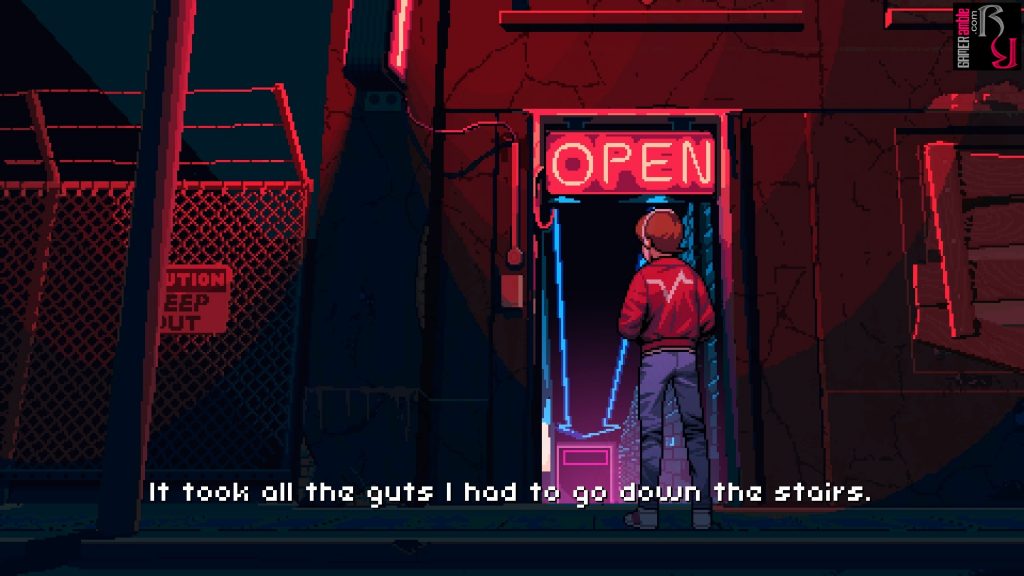
Thanks to the internet, it’s not hard these days to find a community where you feel like you belong. However, things were a little more difficult in the nineteen eighties as there was no high-speed internet, streaming services, or a million different ways to stay connected to friends. 198x is the story of Kid, a teenager of this era who feels stuck in suburbia just outside the big city. Kid spends their time staring out their bedroom window at the cars heading into the city or restlessly wandering around the neighborhood, searching for something that can make their heart skip a beat again. Against all odds, this happens one evening when Kid discovers a seedy arcade that has taken up residence in the basement of what used to be an abandoned factory. Wandering inside, Kid immediately feels at home amongst the coolest of the uncool who hang out in the arcade. From Kid’s frequent monologues, it becomes clear that something traumatic changed their family and left Kid lost in their own world while shutting out the outside world. All of this information is conveyed via beautiful pixel art vignettes and excellent narration by Maya Aoki Tuttle. However, interspersed with all this are five homages to classic arcade games of the eighties.

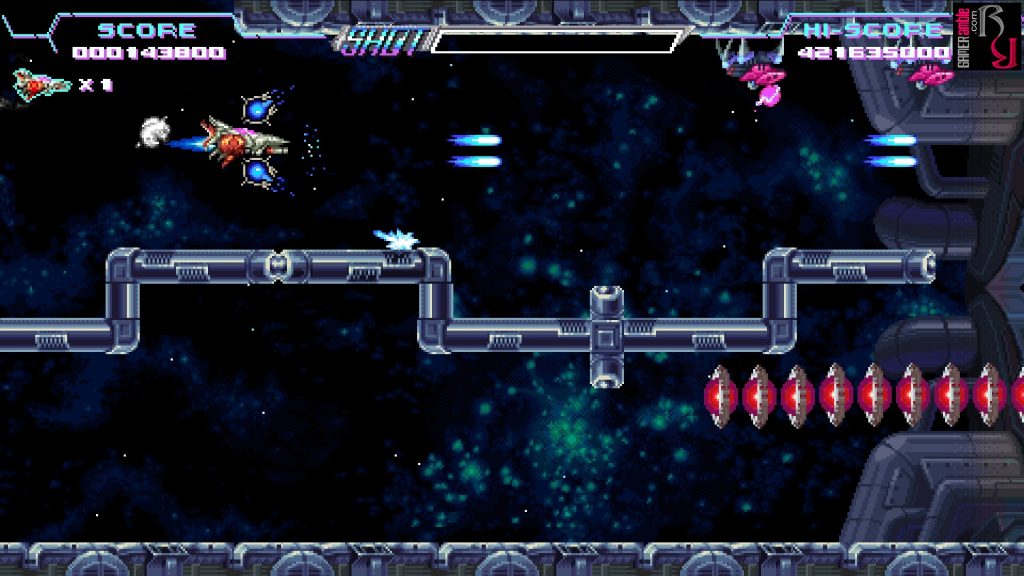
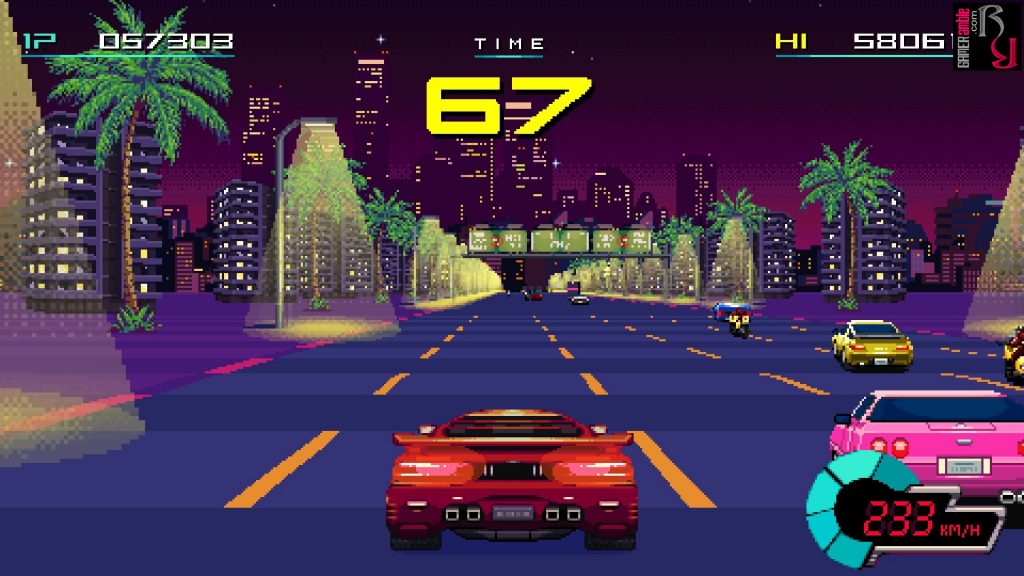
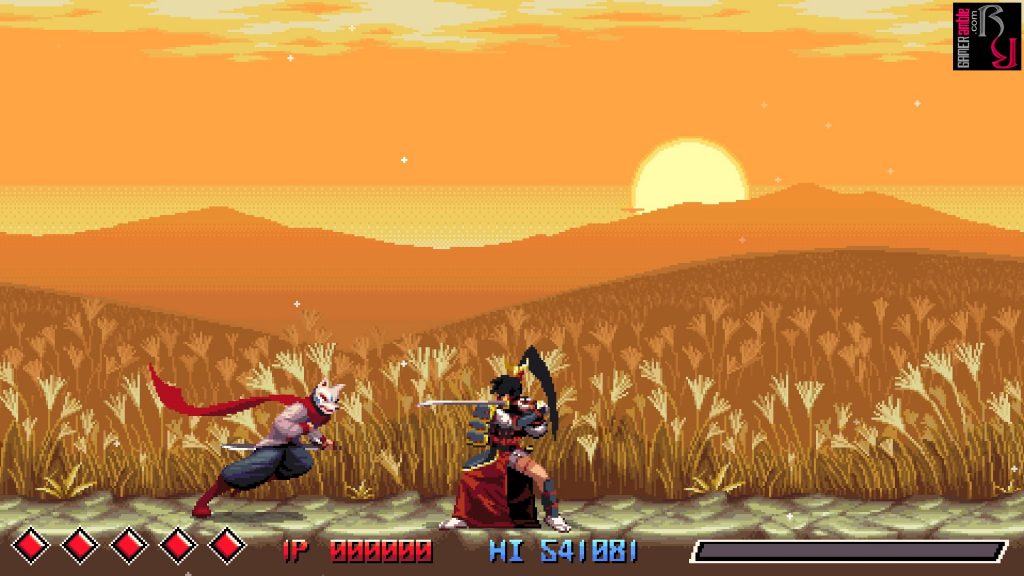
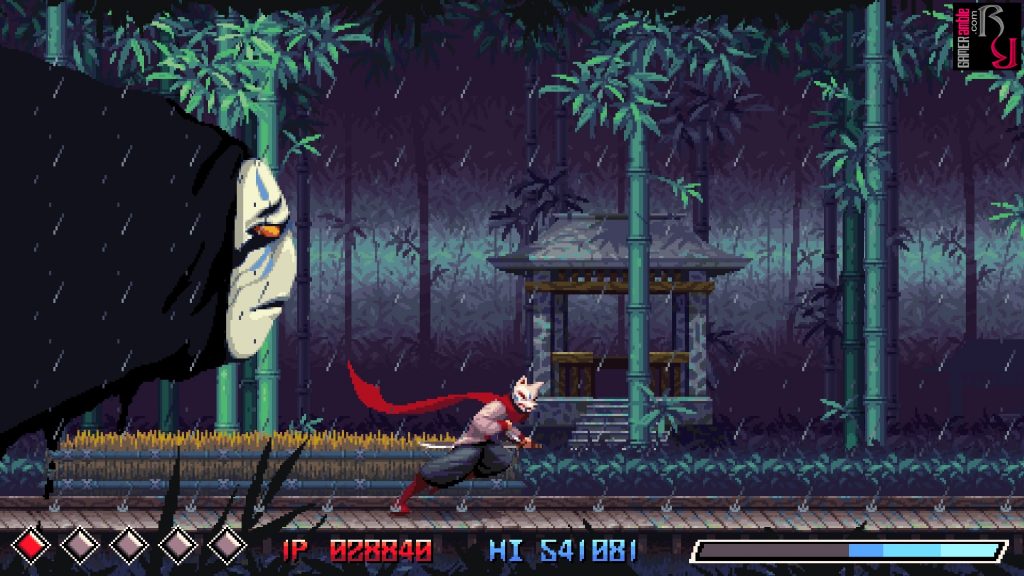
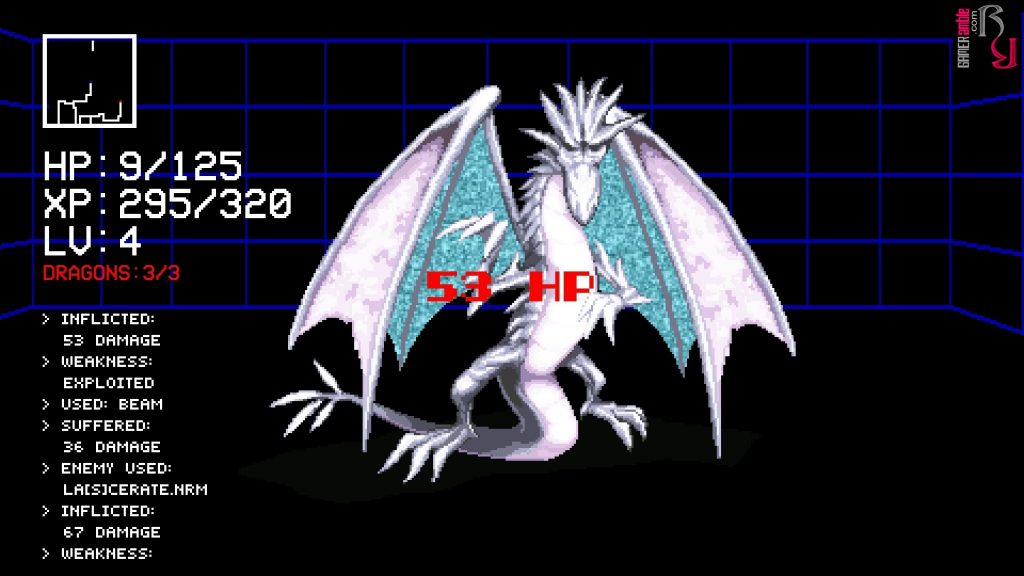
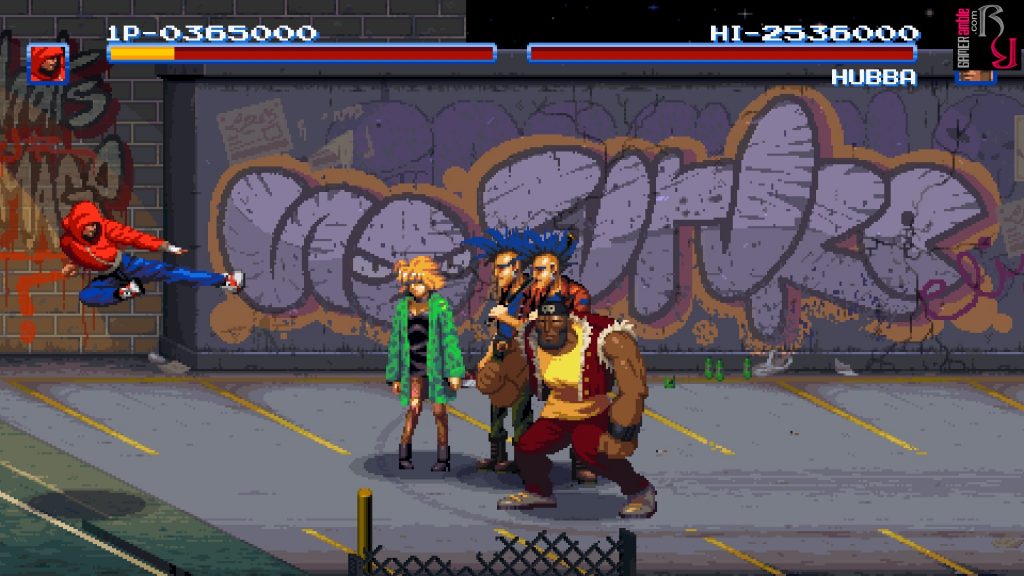
The first of the retro-style games players get to play in 198x is Beat Hearts, a side-scrolling beat ‘em up in the vein of Streets of Rage. Starting at a subway station, players brawl their way through the streets, beating up punks with bare-knuckle punches and flashy jump kicks. This is followed by Out of the Void, a horizontally scrolling space shooter that brought back good memories of games like Gardius and R-Type. Next is an Outrun-style arcade racer called The Runaway, complete with traffic to dodge and checkpoints to reach before the time runs out. The retro adventure continues in Shadowplay, an auto-scrolling hack-and-slash game slightly reminiscent of Strider. Players must slice and dice enemies while jumping over or sliding under obstacles. Finally, there’s Kill Screen, a first-person turn-based RPG set in a maze where players must battle through random encounters to reach and kill three dragons. 

Each of the five retro games in 198x only lasts a few levels or screens, but players are given unlimited credits to beat them. The great thing about these games is that they look exactly how you would remember eighties arcade games looked, which is quite a bit better than how they looked. All of the sprites are very detailed, and the games all feature colorful backgrounds. It almost feels like a waste that so much effort has gone into the look and feel of these games, only for them to end abruptly and leave players wanting more. 
198x sounds incredible, too, thanks to an excellent synthesizer soundtrack that immediately sets the right tone for the experience. We also really liked the use of a speech synthesizer for the creepy voice of the final boss in Kill Screen. We have no complaints about the sound effects either, and Maya does a perfect job capturing the melodramatic angst of a teenager yearning for freedom and meaning in their life. Her voice-overs explain why Kid picks each of the games they are playing, such as The Runaway, after seeing a rebellious girl from school speed off in her car and feeling envious of her independence. The games are not always a perfect match, but thematically, they all fit together nicely and make for a nice, varied selection of genres. 198x keeps things simple with the controls, as all of the games have a maximum of two buttons to worry about. Shadowplay is the most complex, as players can jump, slash, and slide, while Kill Screen is the simplest, as players pick a direction to move and select one of three attack options when faced with enemies. Players can time their button press after selecting an attack to do more damage, but that’s as complicated as it gets.      

Sadly, while 198x features excellent presentation, great visuals, and a fantastic soundtrack, it is also a very short game, and most players should be able to complete it in less than two hours. There are a few achievements for playing the retro games almost flawlessly, but players still have to sit through the narration and cut-scenes, which loses a lot of impact after repeated views. Since 198x is such a nostalgia-driven experience, it will also not appeal to players who are not particularly fond of the eighties or don’t have rose-tinted glasses about the era. 

We thoroughly enjoyed our brief time with 198x, but the fact that it ends on a “To Be Continued” screen does sting a little. Especially as it’s been quite a few years now since the release of the game, and no follow-up or second installment has been released yet. These days, there’s no shortage of good homages to retro games, and players can find full games in the same genres as the ones in 198x. This makes it a bit hard to recommend what essentially feels like a collection of teasers. However, it’s hard to fault the production values of 198x, and it is clear that a lot of passion was put into creating the game. Players who don’t have a lot of free time or anyone who made their local arcade their second home during the eighties will get the most out of 198x, but casual players might be left feeling short-changed. 

System Requirements

  • OS *: Windows 8
  • Storage: 4 GB available space

Related posts

Terrian Saga: KR-17

Terrian Saga: KR-17

If you enjoy classic platforming action where some exploration and puzzle solving is required you will love KR-17. The developers have managed to perfectly capture the audio and visual style of a 90s era title, but made the gameplay accessible enough for modern players. The game still packs a challenge, but keeps things varied to prevent repetition. It is also priced very low, so there is no excuse to not try it out. Gameplay: A great mixture of platforming, puzzle solving and enemy blasting. Graphics: The game looks like it was ripped straight out of the 90s. Sound: A great soundtrack with some nice sound effects thrown in too.

DESYNC

DESYNC

Assault your eyes, ears, and self-confidence with this ultra-challenging first-person shooter by The Foregone Syndicate. Desync is an all-out action fest that doesn’t believe in hand-holding or pulling punches. This can make it an extremely frustrating game, but also very satisfying when you master the skills required to stand a chance. The visuals are stylish but blinding, while the music is outstanding. If you prefer playing your shooters on the easiest setting or are easily frustrated, this is probably not the game for you, but if you want to really test your skills, this is the game to get. Gameplay: Desync is fast, frantic, and very unforgiving. Graphics: The Tron-style visuals are stylish but a little headache-inducing after a while. Sound: The sound effects lack a little punch, but the music is excellent.

Don’t Shoot Yourself!

Don't Shoot Yourself!

Don't Shoot Yourself bills itself as a puzzle shmup, which is quite accurate as the focus is on carefully maneuvering your spaceship around different arenas while avoiding your own bullets. There are no enemies to defeat or power-ups to collect, but don't think this makes things any easier. Each arena offers a new challenge thanks to its size, shape, and wall type, which makes the game challenging and entertaining from start to finish. Gameplay: The game is Easy to play but tricky to master. Graphics: The visuals are simple but colorful and unique. Sound: The audio consists of some nice background tunes.

Higurashi When They Cry Hou – Ch.3 Tatarigoroshi

Higurashi When They Cry Hou - Ch.3 Tatarigoroshi

Higurashi When They Cry Hou - Ch.3 Tatarigoroshi is a powerful turning point in the series, one that begins with charm and ends with an unforgettable descent into darkness. By shifting the spotlight to Satoko and carefully layering its tension, it leaves a lasting emotional impact. Though visually modest and technically dated, its story cements it as a must-play entry for fans invested in Hinamizawa’s mysteries. Gameplay: As a kinetic novel, the gameplay is linear and minimalist, but the optional tips and strong pacing enhance it. Graphics: The visuals are slightly improved with new backgrounds and sprites, yet still constrained by its 4:3 format. Sound: The audio is atmospheric and well-matched to the story’s tonal shifts, if not individually memorable.

Blowy Fish

Blowy Fish

Blowy Fish is a casual game that is extremely simple, but very fun to play. It loses none of its charm on PC and controlling it with a mouse is just as straightforward as it was on touch screen devices. The visuals are nothing special, but the ability to customize your blowfish with all kinds of outfits is a nice touch, while the upbeat soundtrack fits the goofy feel of the game. The game is also addictive enough that intending to play for a minute or two can quickly turn into an hour or two! Gameplay: The game is a straightforward mobile port, but one that still offers plenty of fun on PC. Graphics: Simple, but very charming. Sound: Although compromised of creative commons tunes, the soundtrack is very upbeat and catchy.

Tasty Blue

Tasty Blue

Tasty Blue features a very simple idea, but it is done quite well. The amount of difficulty settings makes it a game that can be enjoyed by player of all ages and skill levels. Although it can get repetitive after a while the humor and sheer amount of carnage that you can get up to definitely make it worth a second look. It is also a great game for playing a level or two when you don’t feel like firing up something a bit more demanding or involved. Gameplay: Simple and repetitive, but quite addictive and entertaining. Graphics: The 2D visuals are charming and colorful, but rather basic. Sound: The tunes are nice at first, but there are too few of them and they start to become annoying.