
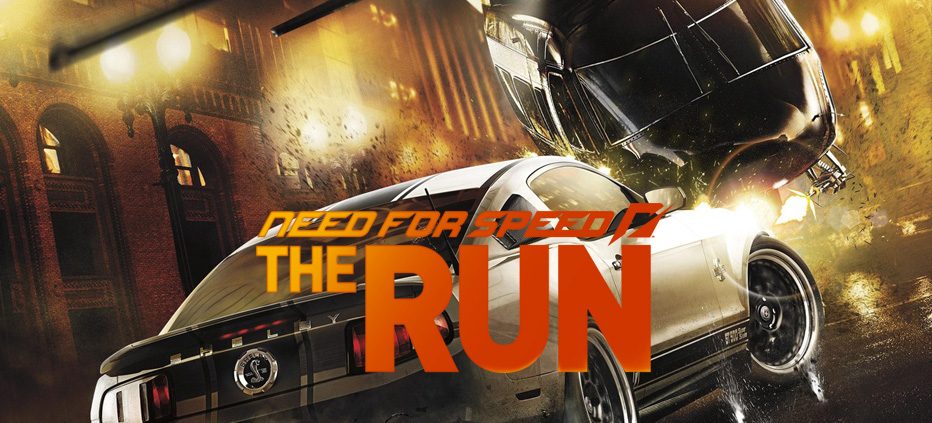
Need for Speed™ The Run
Developer: Electronic Arts | Publisher: EA Black Box | Release Date: 2011 | Genre: Racing | Website: Official Website | Purchase: Origin
Hot on the heels of the arcade racing of Need for Speed: Hot Pursuit by Criterion and the simulation antics of Need For Speed: Shift 2 by SMS, comes Need for Speed: The Run by Black Box. They have been responsible for some of the best games in the series, as well as a few of the worst, which made it hard to anticipate where The Run would end up. The game opens with players taking control of a racer named Jack Rourke waking up tied to the wheel of his car, which is about to be turned into a lump of compacted metal thanks to the Mob. Thanks to a couple of quick-time events; a first for the series, Jack manages to escape and meet up with a childhood friend of his, Sam. She informs Jack about a 25 million dollar cross country race from San Francisco to New York City. In return for 90% of the winnings, Sam promises to get the Mob off Jack’s back and give him a 10% cut, provided he manages to win. With 199 other racers clamoring for the prize, the Mob hot on his heels, and the police trying to put an end to the race, Jack has one exhilarating road trip ahead of him.
There are about 3000 miles of road between San Francisco and New York, but The Run doesn’t require players to drive all of it. Instead, the race is broken into ten scenic chunks, each with a few sub-areas. Starting in downtown San Francisco, players will get to speed through iconic real-world locations, such as Death Valley National Park, and Las Vegas Boulevard while climbing through the ranks. The game once again features licensed cars, so players can slide behind the steering wheels of everything from the Audi Quattro 20 V and BMW M3 GTS, to the Chevrolet Camaro SS, Ford GT, Lamborghini Aventador LP 700-4, and many others. Cars are split up into muscle, sports, and exotic categories, each being suitable for a certain type of road. Usually, if the type of road changes during a race there will be a gas station where players can pull in to quickly change their car type as well as make a few cosmetic changes, such as pick a new paint color or body kit.
Racing still makes up the bulk of the game, but it now also features quick-time events, which we mentioned earlier. These are usually implemented to show how Jack goes from getting to a new car if the cops or Mob wrecks his old one. The scenes require little more than timed button presses from players but have Jack doing everything from grappling with cops to getting chased by helicopters while on foot. The scenes are very over the top and were clearly inspired by Michael Bay, who incidentally also directed the trailer for the game. Failing to follow the on-screen prompts quickly enough results in failure, which means having to restart back at a checkpoint, but overall these scenes are brief and entertaining. Since The Run makes use of the Frostbite 2.0 engine the cut-scenes are also now rendered in-game as opposed to the stylized FMV of past releases.

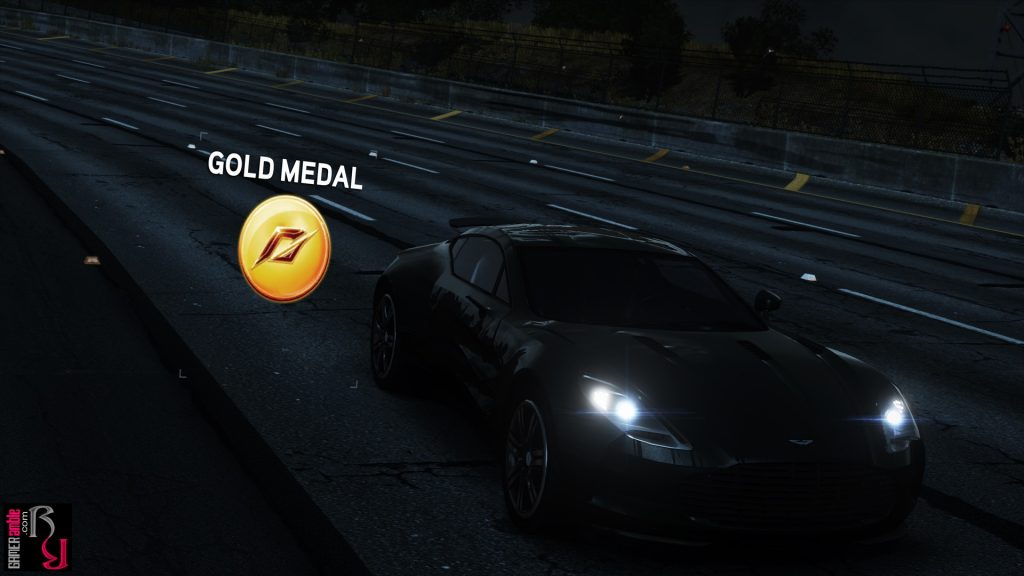


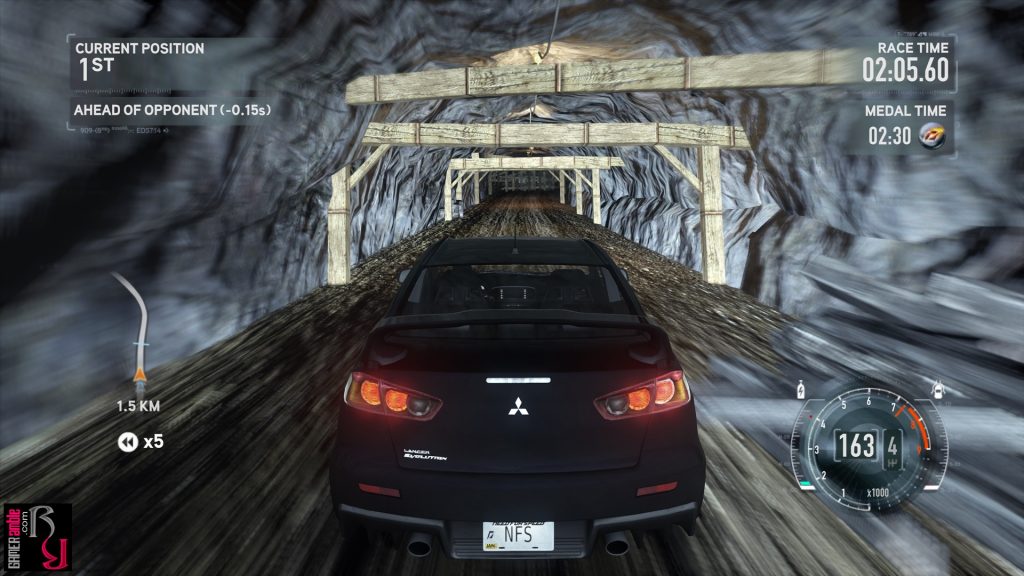
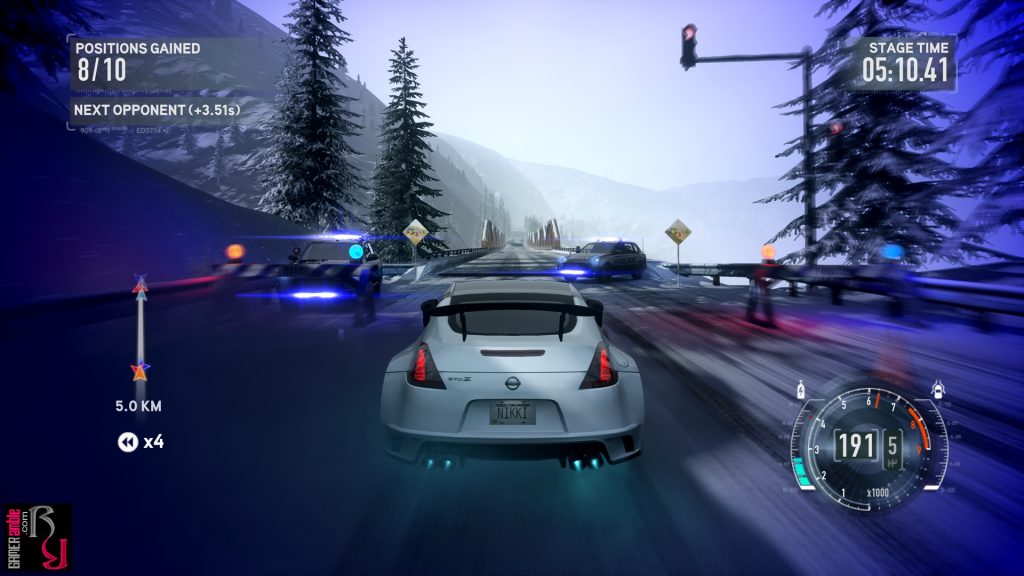
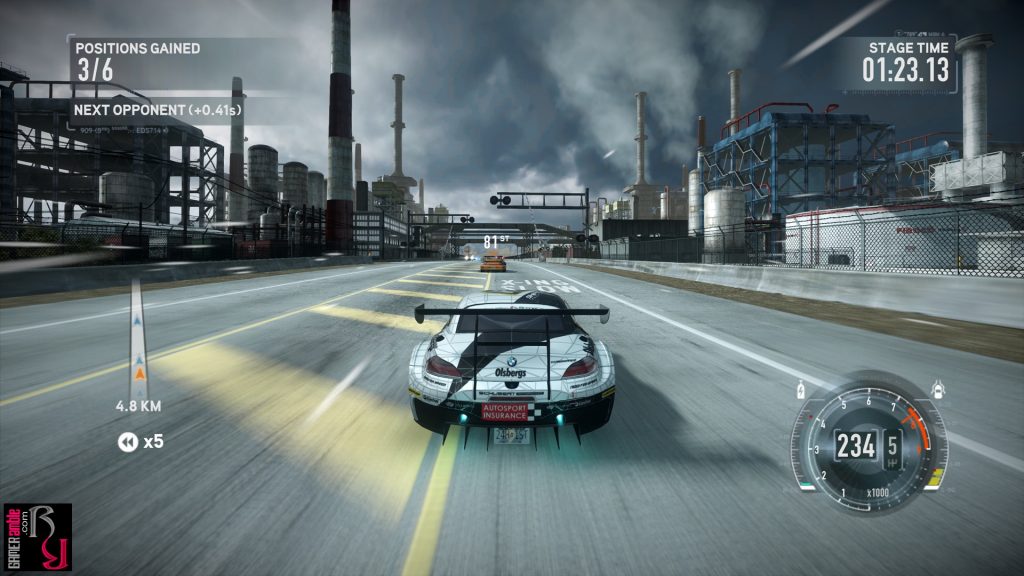
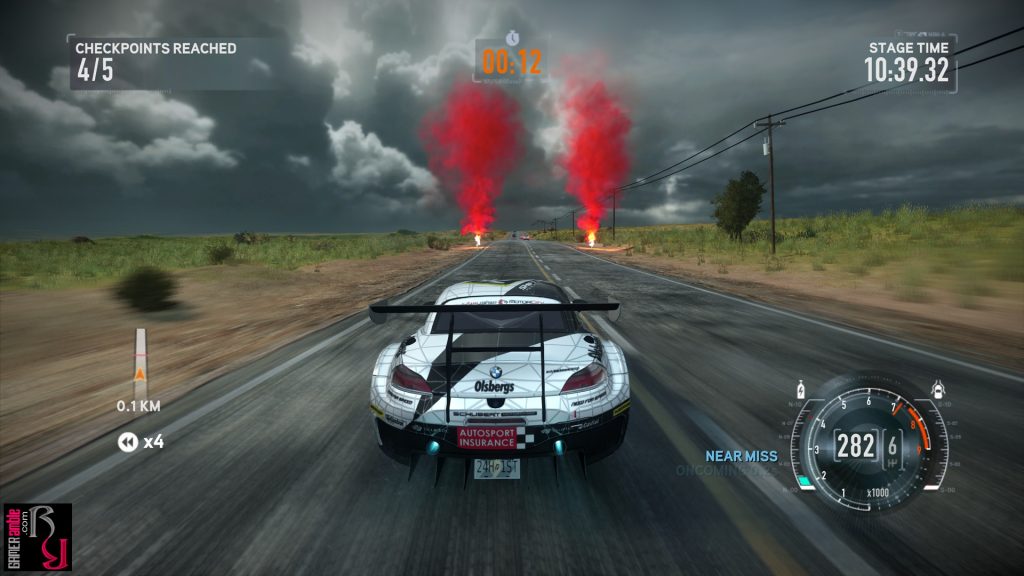
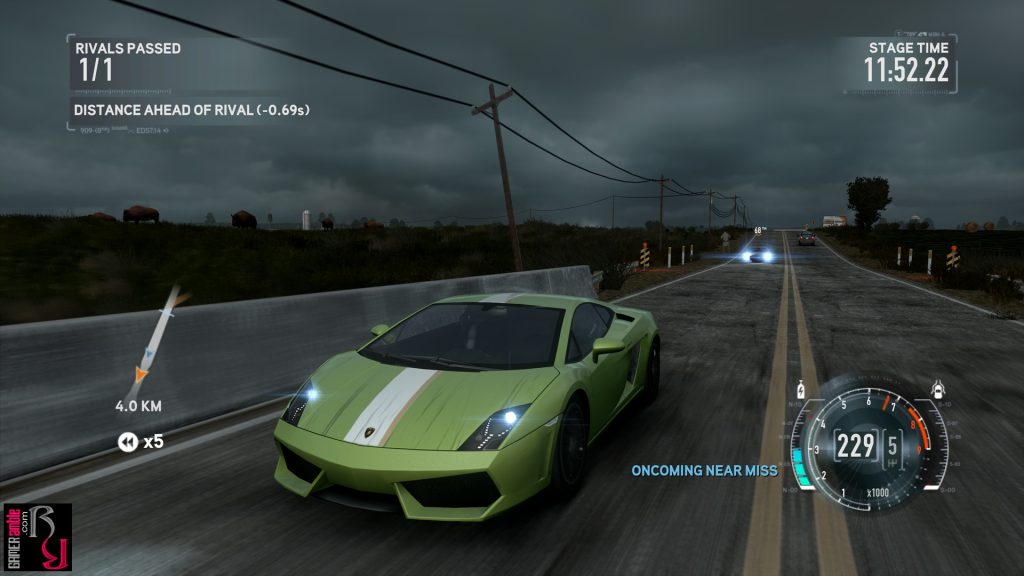
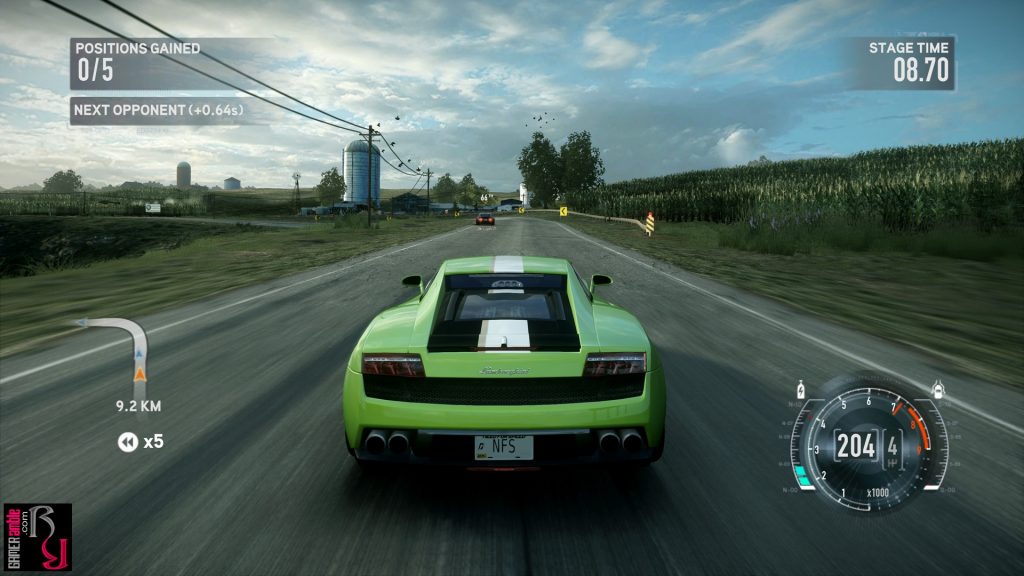
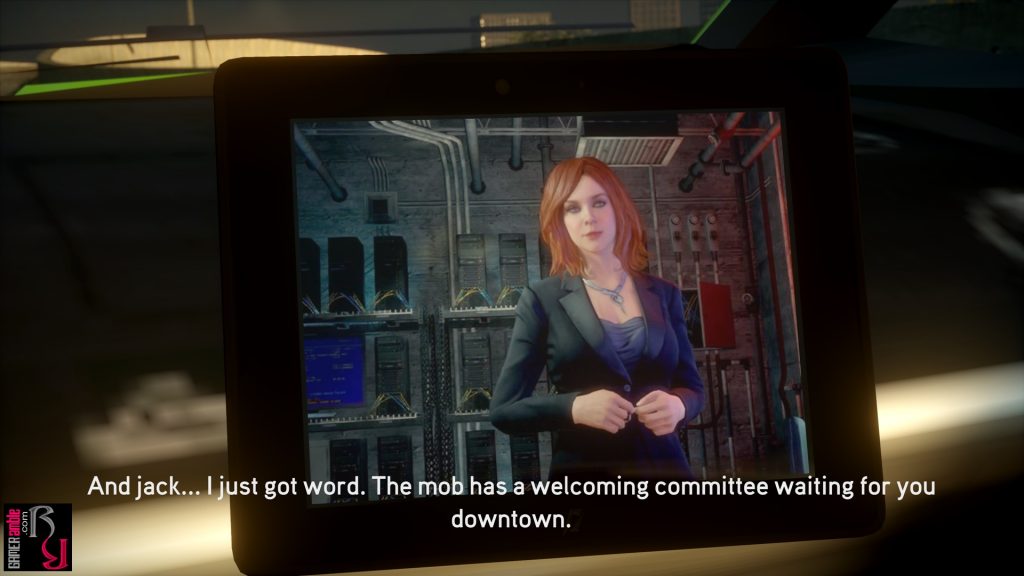
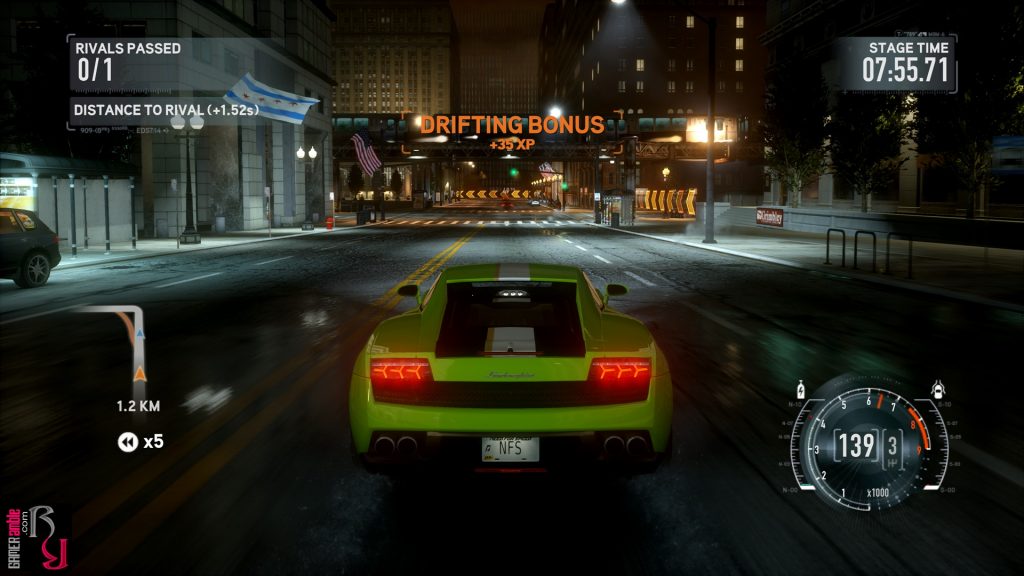

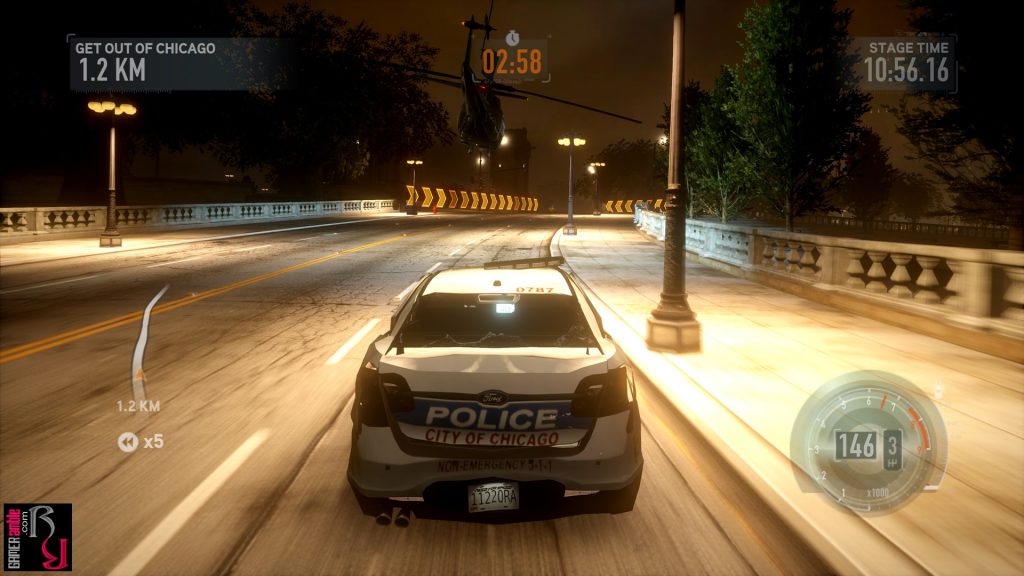
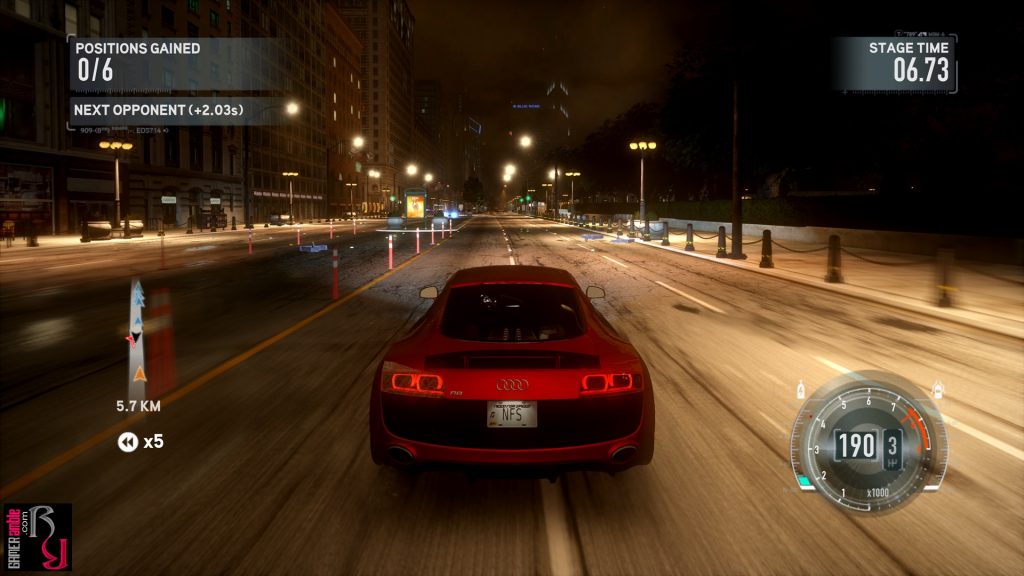
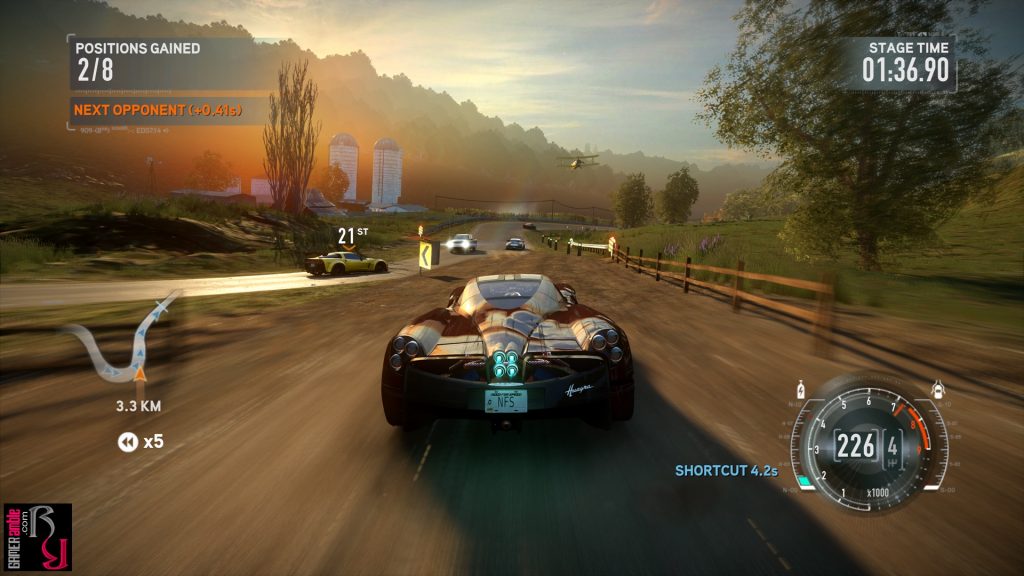
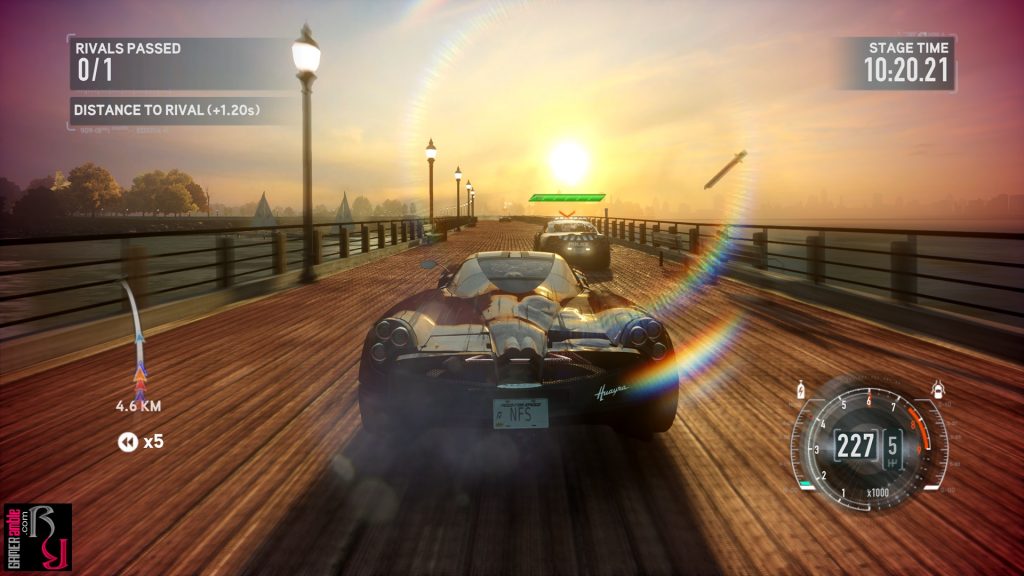
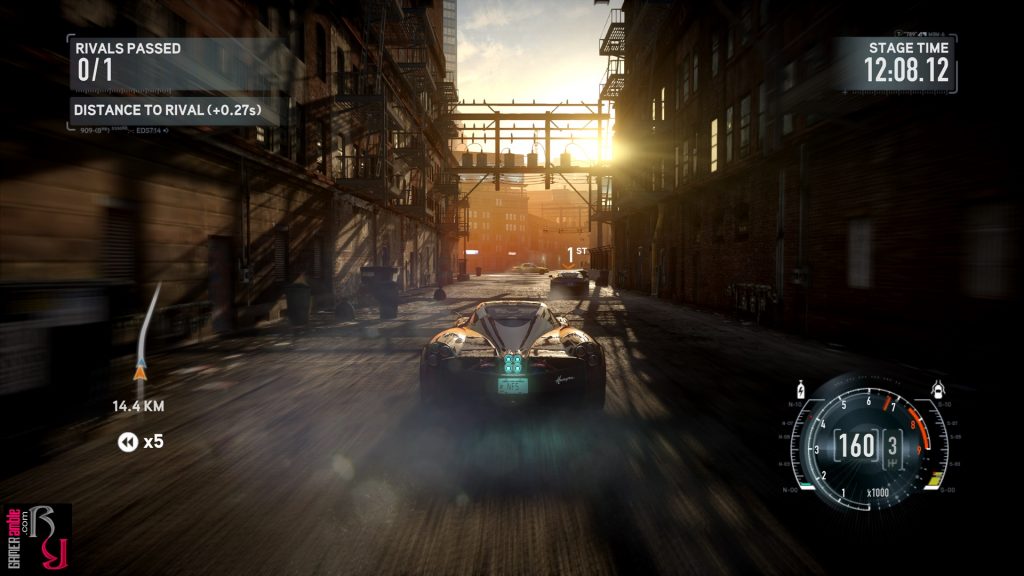

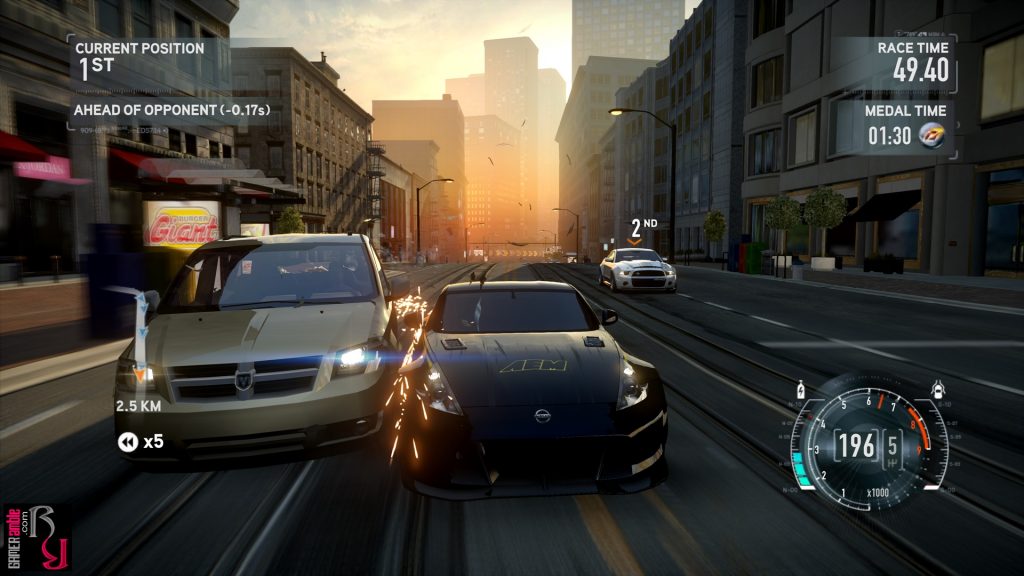
The game sees Sean Faris stepping into the role of Jack while Christina Hendricks plays Sam. Unfortunately, while they sound decent enough, their character models and animations place them squarely in uncanny valley territory. The same goes for the two models enlisted to play opposing racers who Jack meets during one cut-scene set at a gas station. They were included to add some sex appeal, but their animations and thousand-yard stares make this scene extremely awkward and cringy.
Thankfully, the Frostbite 2 engine fares much better with the cars and backgrounds, which looks beautiful, to say the least. The point to point races means you’ll never see the same thing twice and some of the scenery is pretty enough to be distracting. The game also makes use of some explosive set pieces for a few of the racers with one of the highlights taking place in the Rocky Mountains where literal explosions are triggering avalanches while you race. The game does take it a little far at times with some of the tracks feeling more like obstacle courses instead of actual racing, but it ramps up the excitement. Not everyone is going to enjoy some of these heavily scripted races, though, and the game gave us some serious Split/Second Velocity vibes at times. The police are also back in The Run, but they are a lot more sedate than what they were in Hot Pursuit. They will still use suicidal tacts to try and bring you down, but roadblocks are few and far between and you never have to worry about spike strips or EMPs. If you do get wrecked you’ll experience another new addition to the game, the “Rewind” feature. You only get a certain amount of these per race, based on your chosen difficulty, and these reset you back at a checkpoint. They can be handy as it means you don’t have to repeat an entire race due to one small mistake but can be a little overzealous at times and trigger even if your car is barely off the road.
Each race in The Run opens with an objective, which can range from passing a certain number of cars before the finish line to beating a specific racer or “making up time.” Successfully completing these races will earn you experience points, which is also dolled out for things like “clean” or “dirty” passes, drifting, and so on. The XP is used to increase your driver level, which in turn unlocks new cars. For each of the ten story mode levels, players also unlock a corresponding “Challenge Mode” set in the same area. These can be played outside of the story mode to earn medals and more experience, which means more cars. We highly recommend doing so as the challenges are quite fun and add some longevity to the game. The story mode itself can be completed in about two hours, which is a lot shorter than previous games but has way less padding than something like Need for Speed: Undercover. Some fans may also be disappointed by the lack of a free-roaming mode and the police are also not playable in The Run. Completing the story mode does unlock the “Extreme” difficulty and the whole thing can be restarted while still retaining your experience points.
EA usually goes all out for the Need for Speed soundtracks and The Run features bands like Ministry, Black Rebel Motorcycle Club, Reverend Horton Heat, and The Black Keys. The cars also sound good and you’ll hear the usual assortment of funny quips from the police chasing you. Despite the voice talents behind Jack and Sam, they don’t have that much to say and their performances are serviceable at best. We played The Run with a controller and each car handled differently enough. Drifting definitely felt more challenging than in Hot Pursuit where every car in the game could slide around corners with ease. Attempting the same thing in The Run saw us careening into barriers more often than not and pulling off a successful drift took a lot more effort. The game attempts to simplify things by rating the handling of each car from “Easy” to “Challenging” to help players decide what to pick. However, some of the more “challenging” cars are actually easier to use in certain circumstances, so don’t be afraid to experiment.
While we didn’t encounter any crashes or performance issues with The Run the game does suffer from a rather unusual visual bug that can obscure the whole screen with dust of snow while racing. The effect is somehow tied to the frame rate, so the only way to prevent it from happening was to enable Vsync. The game also features very long loading times even when played from an SSD, which can be annoying when your car resets. Also, tying vital things such as the ability to use nitro boosting to your driving level is also a bit baffling. Lastly, the game once again lacks a cockpit view, so don’t expect to see the interiors of any of the beautiful cars.
Overall, The Run is a fun game, but we can see why some fans of the series might be disappointed with it. The Run mode is very brief and the story rather underwhelming, but the Challenges and multiplayer modes add some longevity to the game. While it never reaches the heights of some of the best games in the series we still enjoyed our time with The Run despite some of its frustrating and baffling features.
System Requirements
OS: or Windows 7 ()
DirectX: DirectX 10
Processor: 3.0 GHz Intel Core 2 Duo or AMD Equivalent
Memory: 3 GB
Hard Drive: 18 GB
Graphics card (AMD): 512 MB RAM ATI Radeon 4870 or higher performance
Graphics card (NVIDIA): 512 MB RAM NVIDIA GeForce 8800 GT or higher performance
Sound card: DirectX Compatible
Keyboard or Gamepad or Steering Wheel
Online: 512 KBPS or faster Internet connection
OS: Windows 7 64-bit
DirectX: DirectX 11
Processor: 3.0 Mhz Intel Core 2 Quad or AMD Equivalent
Memory: 4 GB
Hard Drive: 18 GB
Graphics card (AMD): 1024 MB RAM ATI Radeon 6950
Graphics card (NVIDIA): 1024 MB RAM NVIDIA GeForce GTX560
Sound Card: DirectX Compatible
Keyboard or Gamepad or Steering Wheel
Online: 512 KBPS or faster Internet connection


