Quest for Infamy
Developer: Infamous Quests | Publisher: Phoenix Online Publishing | Release Date: 2014 | Genre: Adventure / RPG / Indie | Website: Official Website | Purchase: Steam
Quest for Infamy stars William Roehm, a sarcastic opportunist temporarily stuck in the valley of Krasna. A dalliance with the daughter of a baron in the East means Roehm can’t return the way he came without risking his head, while a destroyed bridge blocks his route forward. While waiting for the bridge to be repaired, Roehm hangs about the town of Volksville, and it is not long before he is drawn into a crazy plot involving cults and ancient artifacts, all thanks to a mysterious woman.
The game is based around the classic point-and-click adventures of the ’90s, so if you have never experienced the glory of hand-drawn artwork at a resolution of 320X240, you are in for a shock. Anyone who has spent countless hours with the early Sierra adventure games, especially the Quest for Glory series, will feel right at home, though. The developers have definitely nailed the visual side of things, and the retro art style is very authentic.
Quest for Infamy is set in a fantasy-themed world with magic, monsters, and mysteries, but it also injects plenty of humor into the formula. Roehm is definitely no goody two shoes, and his attitude had us laughing out loud a few times. He’s smart enough to know when to be charming to get his way, but he doesn’t shy away from being a complete bastard, either. Stealing from people, flirting with every woman he encounters, and insulting everyone is second nature to Roehm, and he has no qualms resorting to murder either if it will save his own hide. Kudos to the developers for creating a character that remains likable, even when doing twisted things like breaking someone’s neck because they reprimanded him for stealing. Of course, most of the things Roehm can get up to will offend people if they take it too seriously, so having a good sense of humor is essential for enjoying this game. There are plenty of other games where you can play as a knight in shining armor if you find Roehm offensive.
As in the Quest for Glory games, Quest for Infamy combines traditional point-and-click adventuring with some role-playing elements. This means that in between all the talking to people and solving puzzles, you will also have to fight enemies or take the time to eat and sleep. To make things even more interesting, you can choose between three different character classes, influencing how you approach certain situations in the game. As a brigand, your strength will be your greatest asset, while rogues employ stealth, and magic is the sorcerer’s domain. Your class doesn’t change the storyline from what we can tell, but it opens up new side missions and requires slightly different solutions to some puzzles. This is great from a gameplay standpoint, as it means you can replay the game with a different class and experience new content.
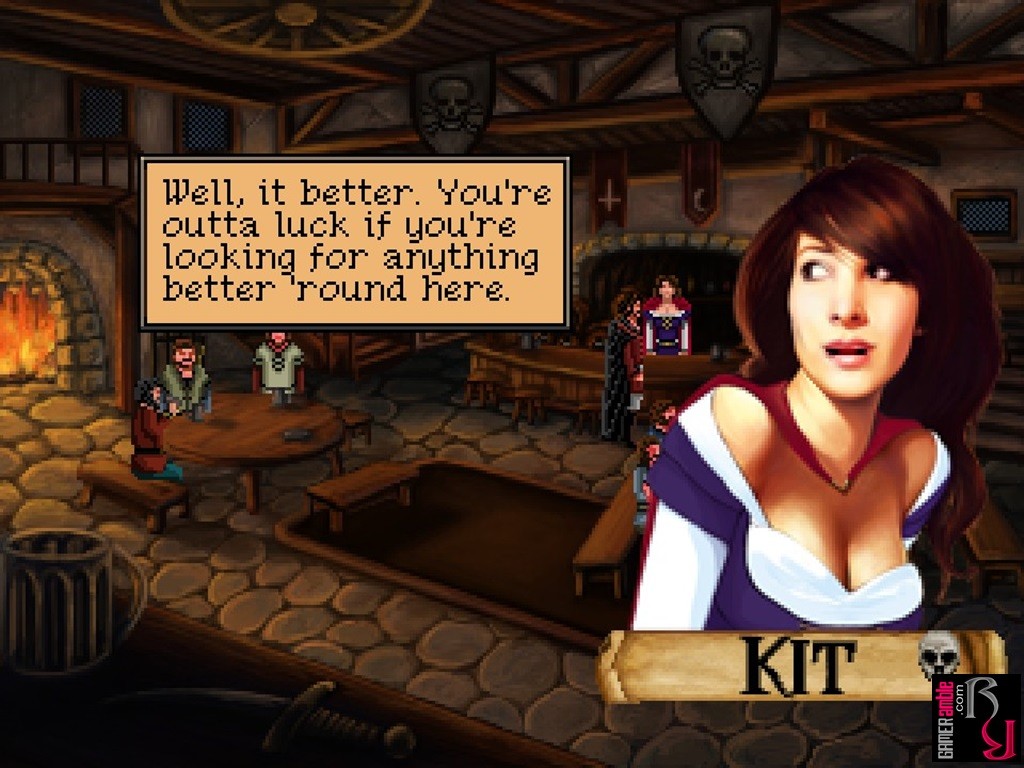
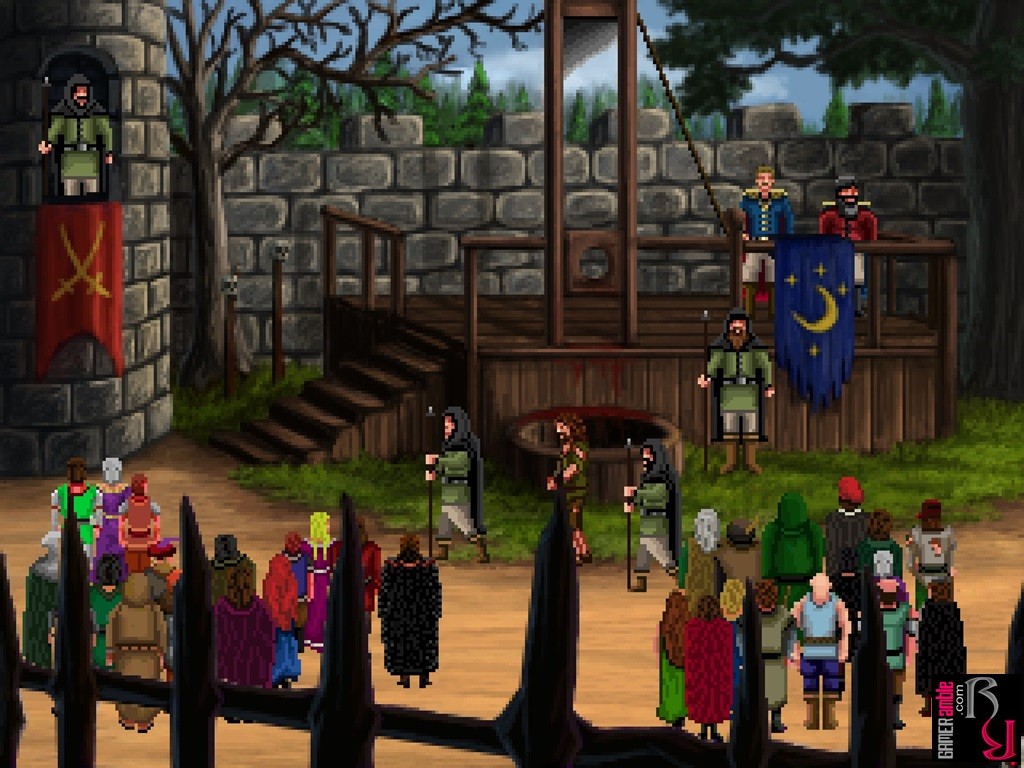

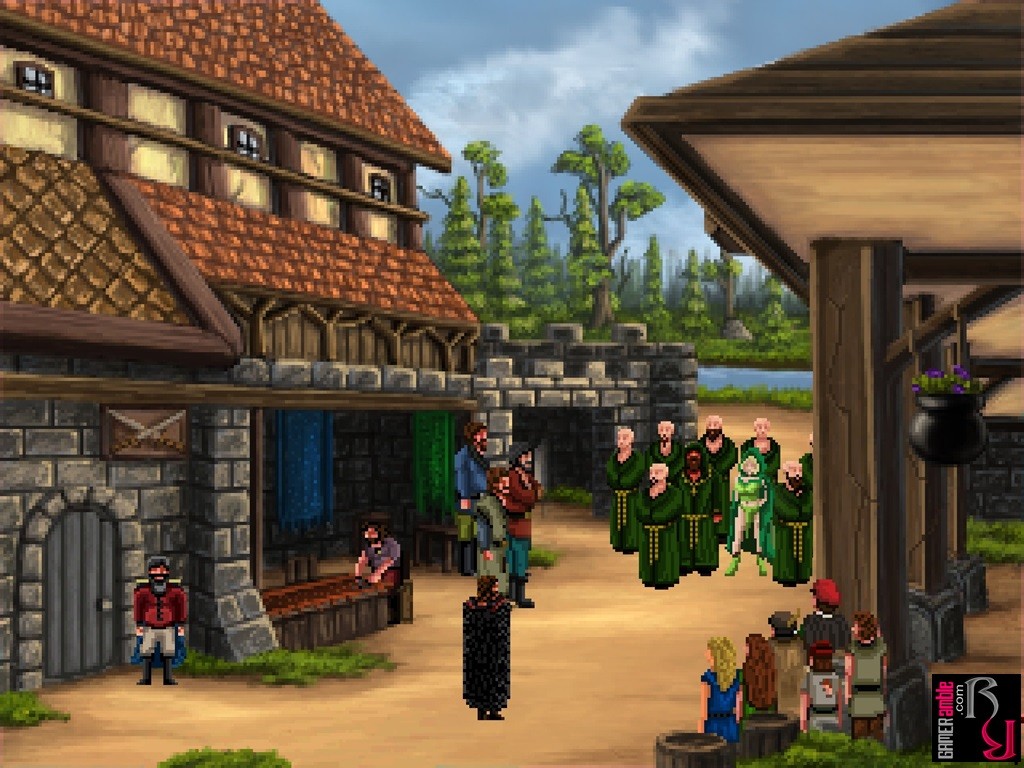
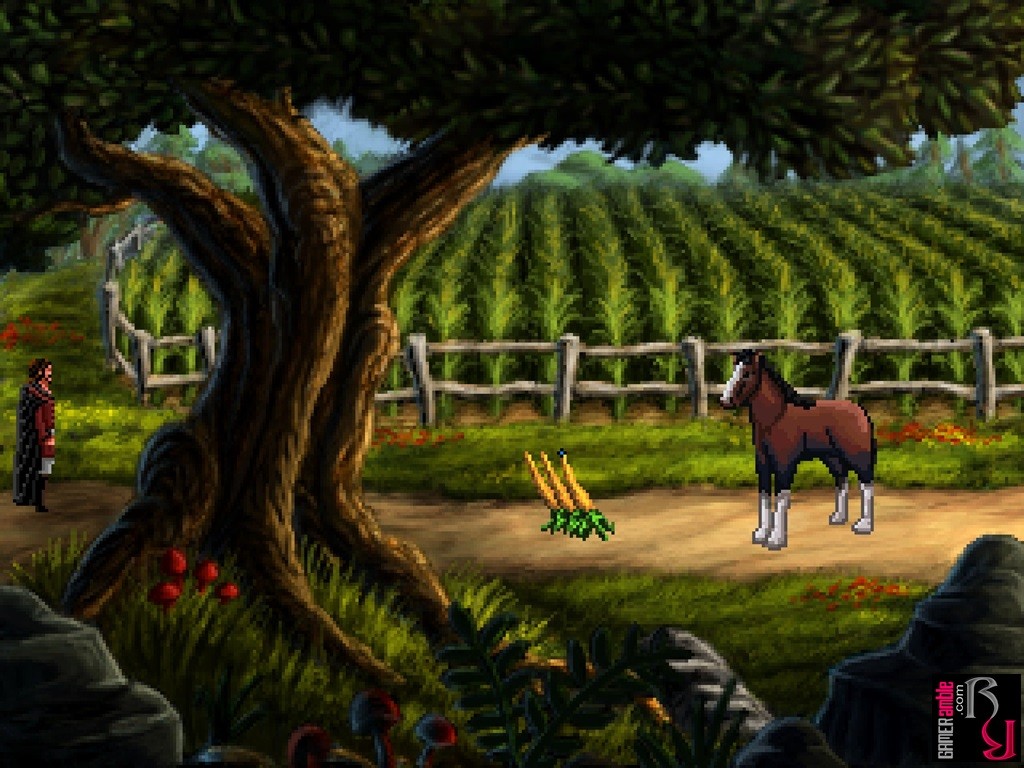
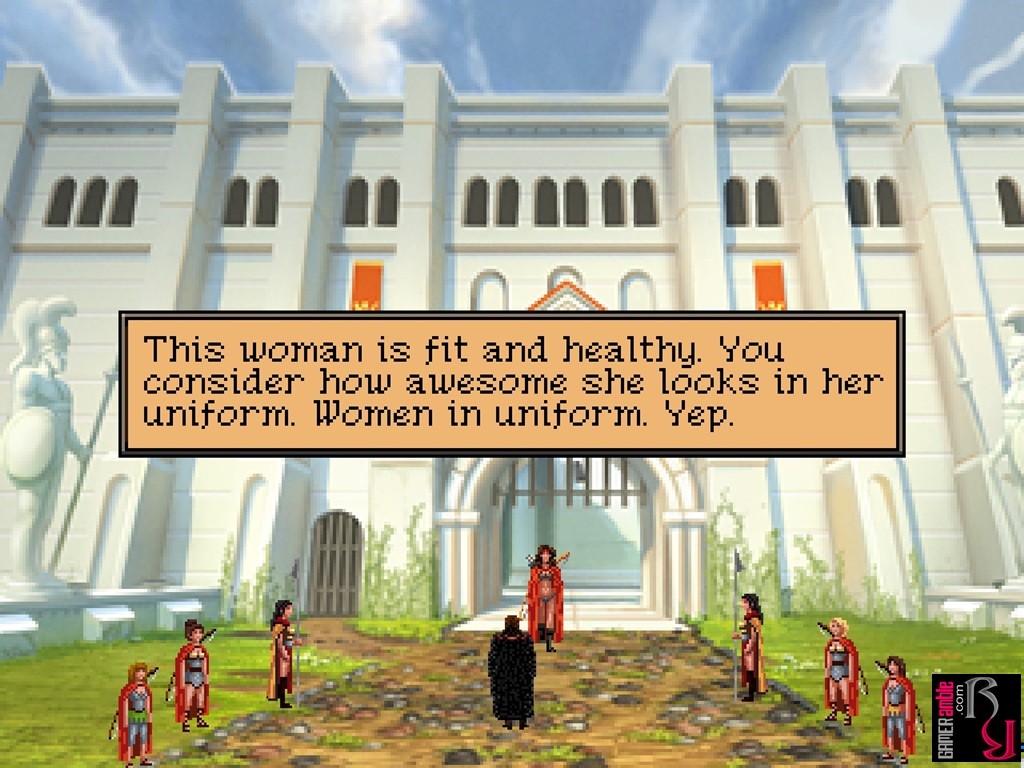
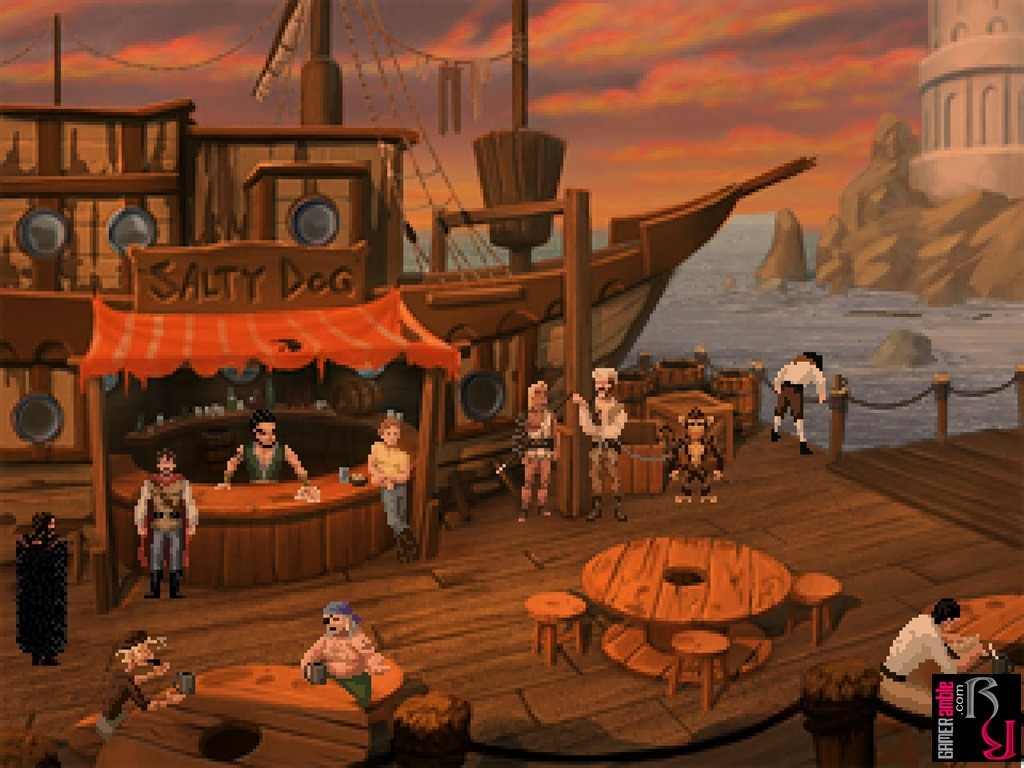
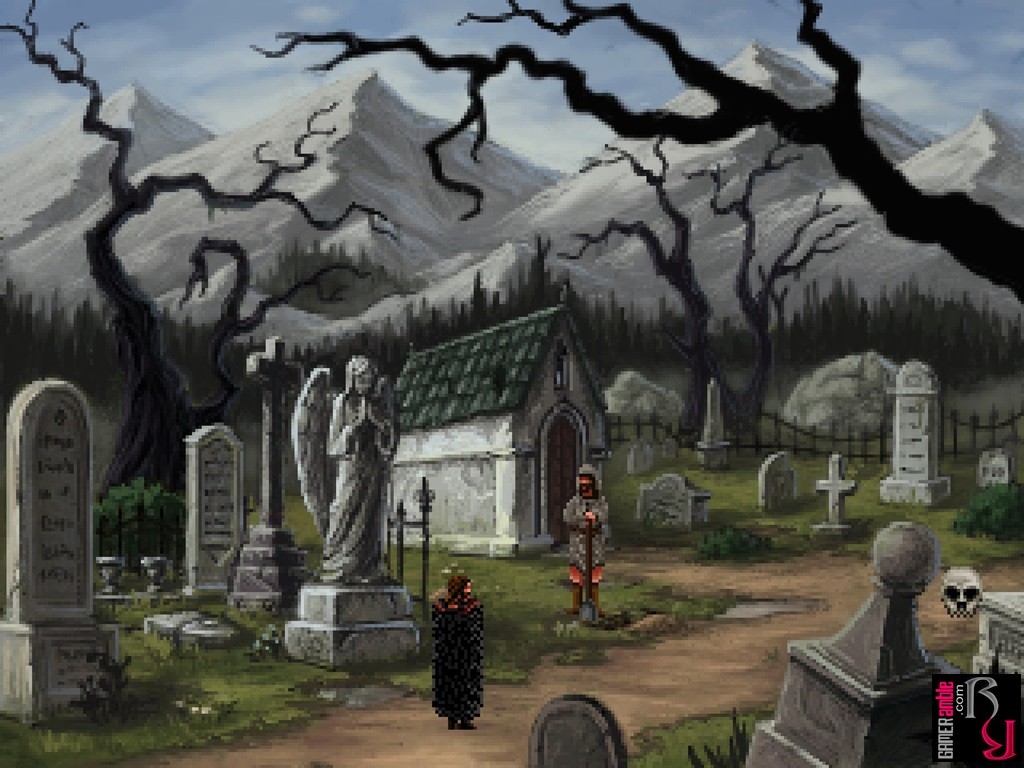
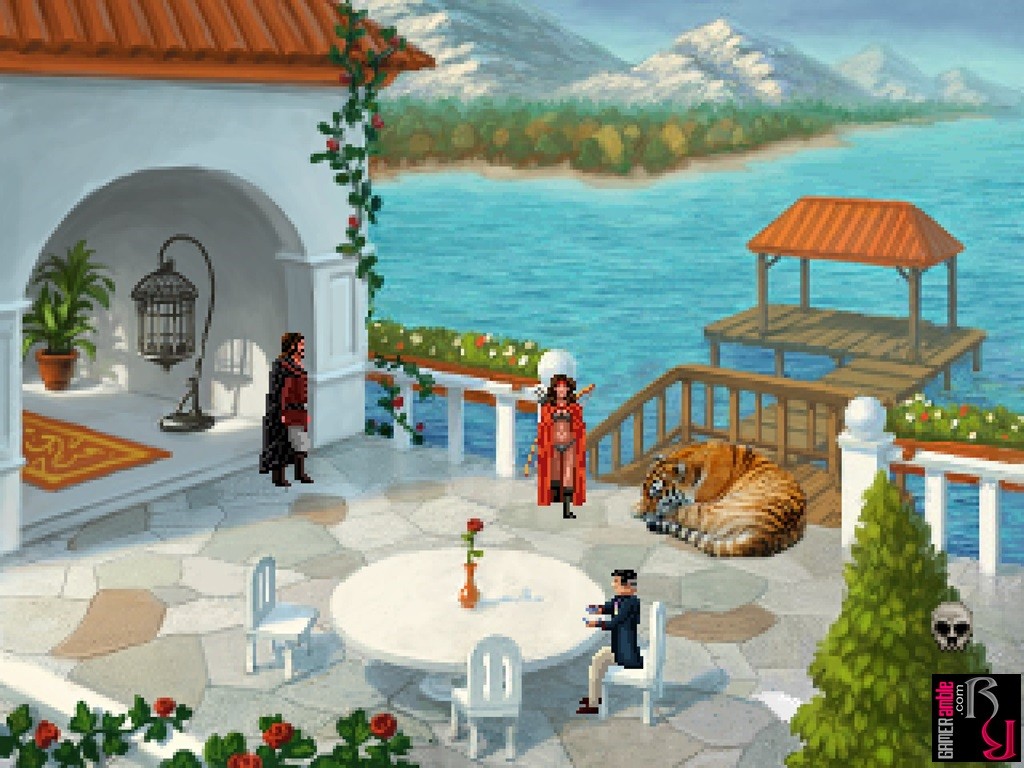


Don’t let this fool you into thinking that the game lacks content, though. With over 50 nonplayer characters to interact with and 200 rooms to explore, the game will keep you busy for a long time. In the first two acts, you are pretty much given free rein to explore, and it is possible to completely overlook the class-based sidequests if you rush through the game. If you take your time and explore all the locations, you can lose yourself in this game for days. The game even has a day and night cycle, so visiting certain places at different times might yield new interactions. Your quest is centered on the town of Volksville, the city of Tyr, and the surrounding valley, which includes forests, swamps, plains, and other interesting locations. Each scene is packed with so much detail that you will quickly forget about the low resolution. The hand-drawn artwork is great, and many characters also have their own portraits, which are displayed when you talk to them. Hotspots are not marked, however, so it is possible to overlook small items, especially if you play the game in a window to avoid pixelation. Navigation can also be a bit tricky at times as it is not always immediately apparent which screens you can exit and which ones are dead ends until you try.
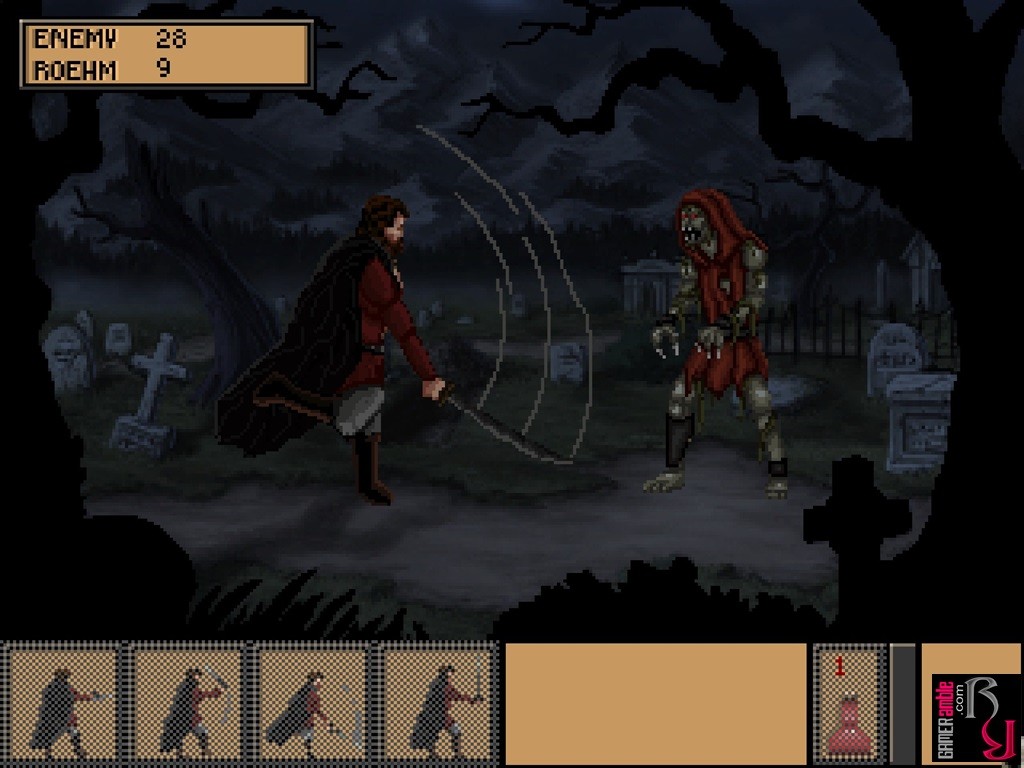
The interface is taken straight from the Sierra classics, so you can cycle through the available actions such as sneaking, walking, running, interacting, looking, talking, or fighting by right-clicking, using the scroll wheel, or moving your cursor to the top of the screen. The puzzles are generally good, and you are given plenty of clues, although we did find ourselves stumped a few times because we overlooked something. You can’t lose or waste objects vital to the quest, which means you are free to experiment, but you can do things that are so monumentally stupid that it results in an instant Game Over. Changing into a disguise right in front of the people you are trying to fool or breaking into a place in full view of guards, for example. You can also die during combat, but this usually just results in Roehm waking up back in town and tipping the healer some coins. You can also stock up on health potions, which are quite cheap to avoid this situation. Combat is a turn-based affair where you select your attacks and watch the action unfold, but we managed to avoid most of the random encounters in the game as these don’t really add much to the experience.
We really enjoyed the audio in Quest for Infamy, as it has quite a varied soundtrack with plenty of great tunes. Some of the songs, such as the track that plays while you explore the forest, remained stuck in our heads for days, which does not happen often when it comes to game soundtracks. On the other hand, the voice acting is a bit of a mixed bag. While it is great that every character in the game is voiced, not all do a particularly good job. This could be intentional for all we know, as we can recall some terrible voice acting from the days when developers first discovered they could stick anyone in front of a microphone and make them read lines to make their game “multimedia.” If the goal was to emulate these types of performances, complete with uneven audio recording quality, then the developers have certainly succeeded. We still found ourselves clicking through some of the conversations, though, to speed things up, although we did read every shred of dialogue as the writing is quite good. Some lines are brilliant, and the snarky narrator is always on hand to comment on your actions or question your intelligence.
Overall, we enjoyed Quest for Infamy enough to look forward to a sequel. The Quest for Glory games may have heavily inspired the developers, but they have managed to create an interesting game world and compelling characters of their own. Roehm is certainly not without his faults, but he is most certainly not a bland protagonist. The last chapter of the game also felt somewhat rushed, but at that point, we had already spent so much time playing that we didn’t mind too much. The point-and-click genre has delivered some great new titles lately, and Quest for Infamy can definitely be added to this growing list.
*Review originally published July 2014.
System Requirements
- Minimum PC System Requirements
- Recommended PC System Requirements
- Minimum SteamOS + Linux System Requirements
- Recommended SteamOS + Linux System Requirements
- OS: Windows XP, Vista, 7 or 8
- Processor: 900 Mhz
- Memory: 128 MB RAM
- Graphics: Direct X Compatible Graphics Card
- DirectX: Version 5.2
- Hard Drive: 1800 MB available space
- Sound Card: Direct X Compatible Sound Card
- OS: Windows 7 or 8
- Processor: 1.2 Ghz
- Memory: 256 MB RAM
- Graphics: Direct X Compatible Graphics Card
- Hard Drive: 2 GB available space
- Sound Card: Direct X Compatible Sound Card
- OS: Linux kernel 2.6.18 or later
- Processor: 1.8 GHz Dual Core
- Memory: 1 GB RAM
- Graphics: Integrated GPUs after 2008
- Hard Drive: 1900 MB available space
- Sound Card: ALSA or PulseAudio
- OS: Linux kernel 3.2.0 or later
- Processor: 2.4 GHz Dual Core
- Memory: 1 GB RAM
- Graphics: Integrated GPUs after 2012 or better
- Hard Drive: 2 GB available space
- Sound Card: ALSA or PulseAudio