Fly In The House is quite fun at first, especially after the recent patch, but anyone looking for more depth than simply hunting down a fly while destroying everything might be disappointed. The amount of destruction you can get up to is impressive, but the overall visual quality is a bit low. Since there are only three environments on offer the game can also feel a bit restrictive. It’s still fun to play in short bursts though, so grab it if you enjoy mindless arcade games.
Gameplay: Once the novelty of breaking everything in sight wears off it can be a bit repetitive.
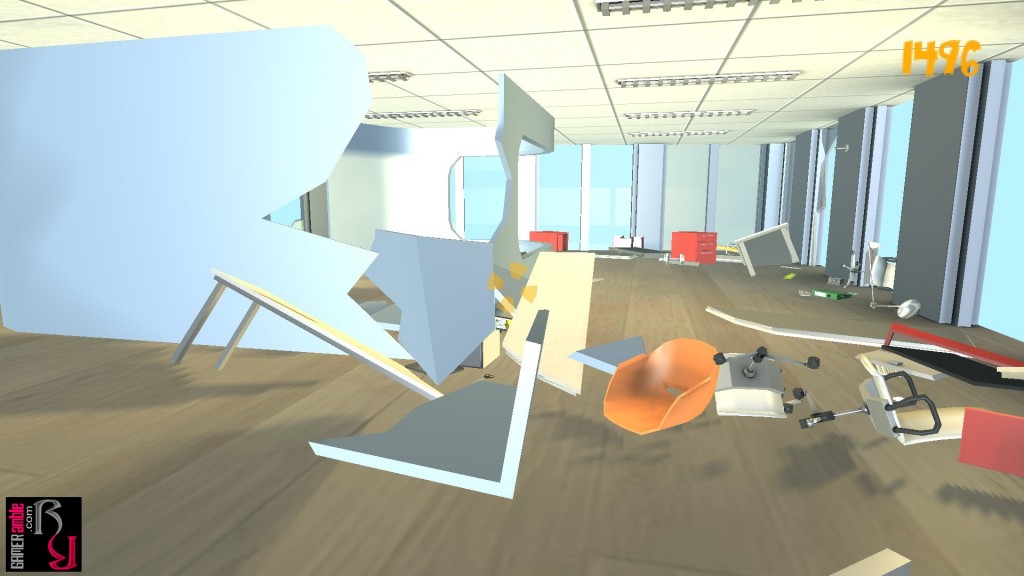
Graphics: The destructible scenery is nice, but the texture quality is rather low.
Sound: Limited and annoying music, but decent enough sound effects.


Fly in the House
Developer: Mykhail Konokh | Publisher: KISS ltd | Release Date: 2015 | Genre: Action / Indie / Simulation | Website: Official Website | Format: Digital Download
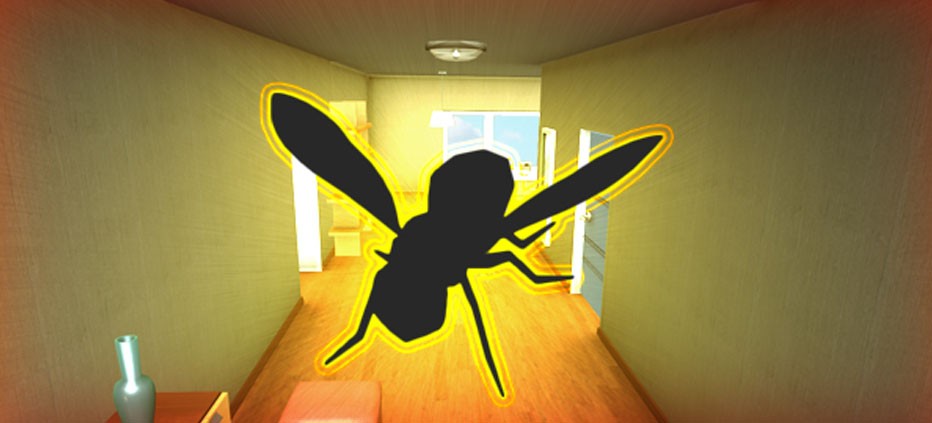
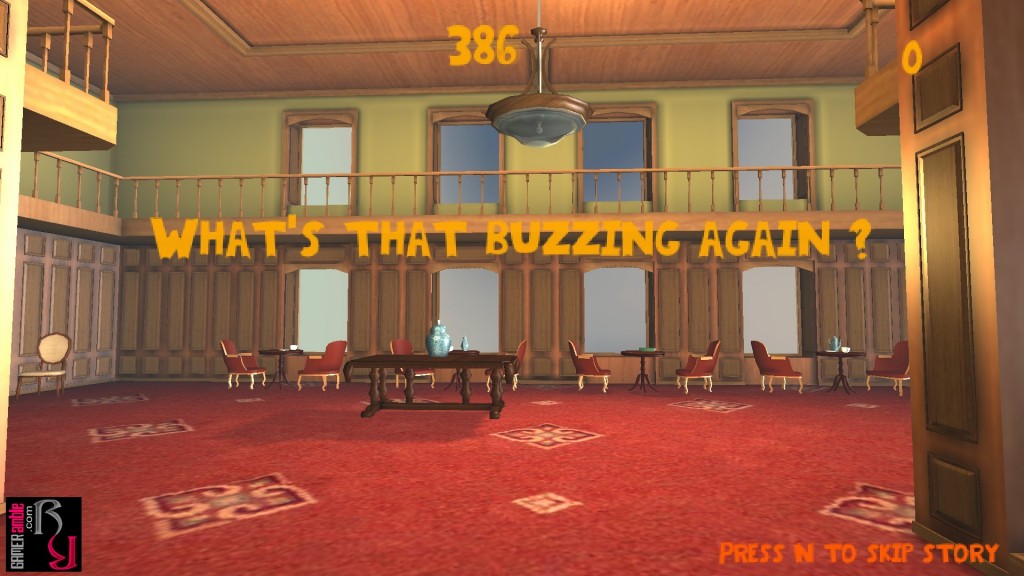
In terms of being annoying, a noisy fly buzzing around inside a house ranks right up there with slow Internet connections, spam emails and getting something stuck in your eye. The lead character of Fly In The House takes things to a whole new level though when he returns to his apartment after years of travelling only to find a fly on the loose. Instead of nipping back out for some insect killer he instead decides to hurl everything within reach at the pesky intruder in an effort to get rid of it.
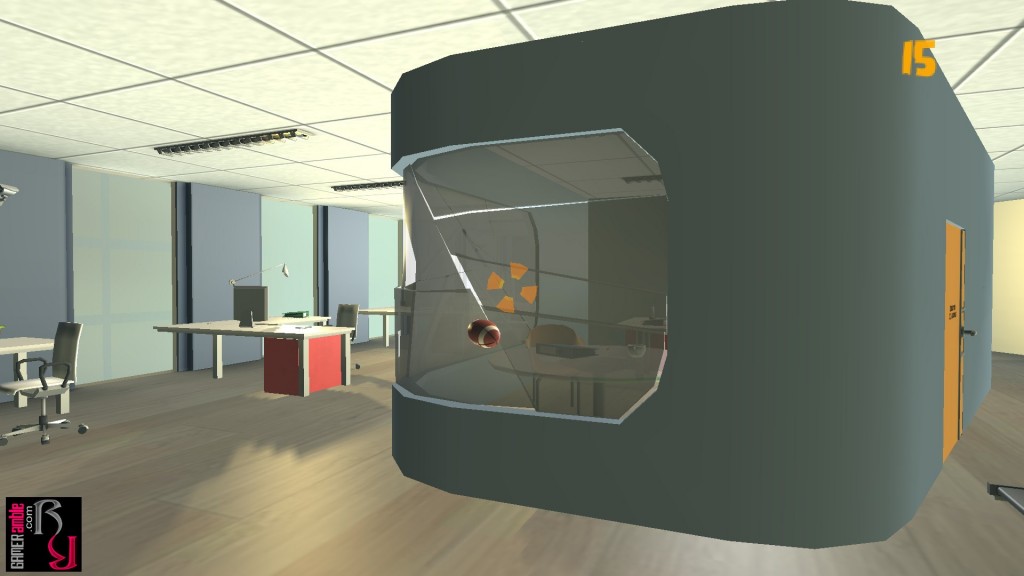
It is a pretty interesting concept, but killing flies in the most destructive way possible is pretty much all there is to this game. There are only three levels on offer, but to unlock the office and castle environments you will have to complete a long checklist of actions first. Apart from killing the fly in “story” mode you also need to kill a set number of flies as quickly as possible, kill the fly without breaking anything, kill the fly as fast as possible, obtain a high score, fulfill the criteria for specific ranks and locate a bunch of hidden objects.
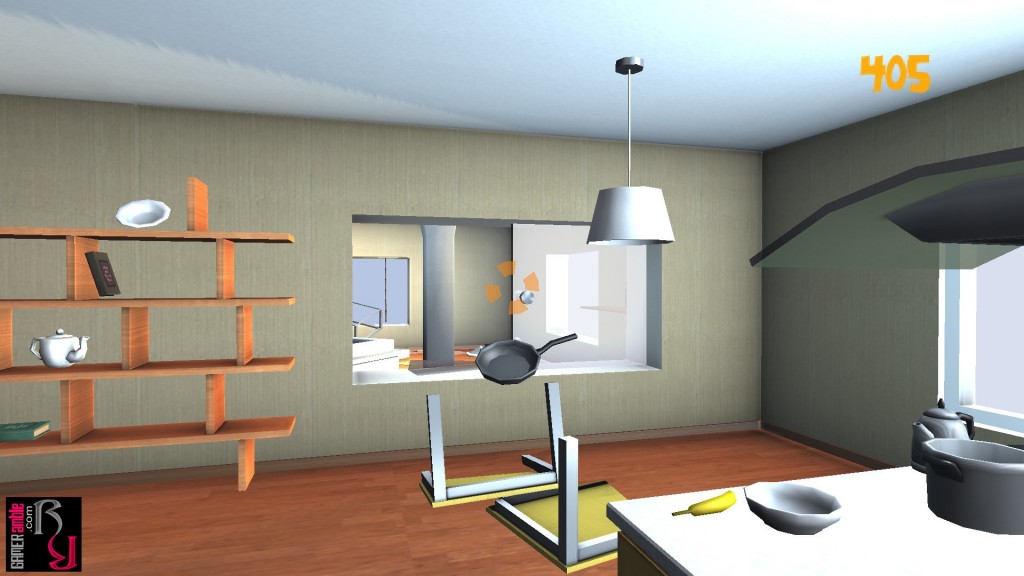
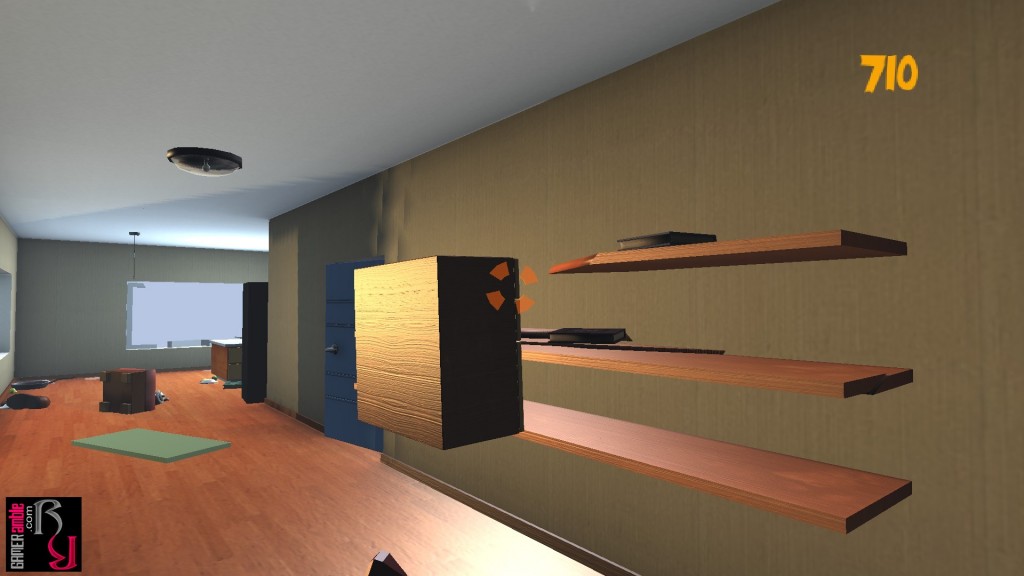
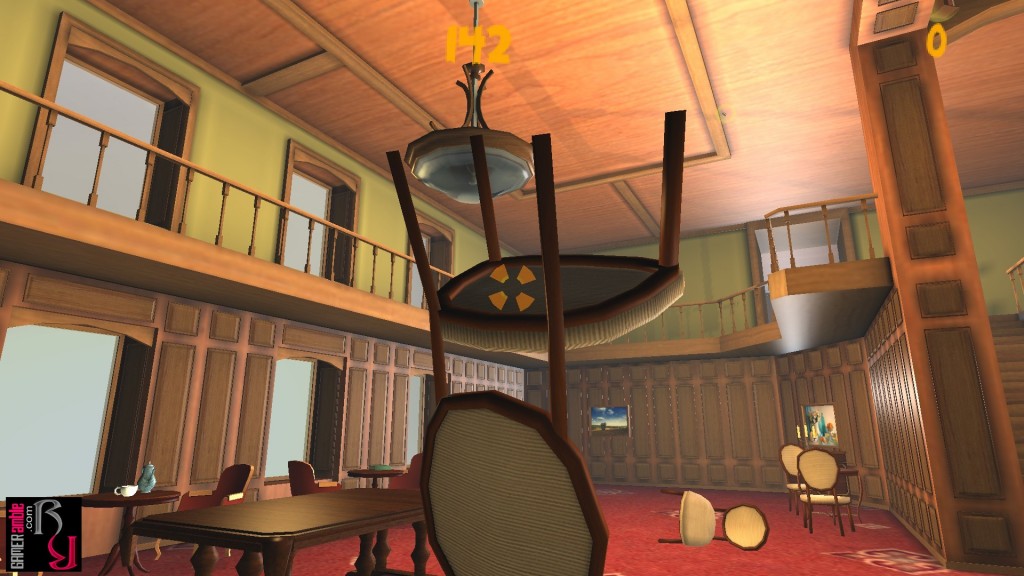
The story missions are the easiest as you simply throw whatever you can lay your hands on at the fly, but some of the other criteria can be quite time consuming to fulfill. Some of the hidden objects and ranks in particular were a chore to obtain until a recent patch added some much needed hints. The game itself is viewed from a first person perspective, but visually it is a bit of a mixed bag. I was impressed by the sheer amount of objects that can be tossed about, but the texture quality is quite low. There aren’t much settings to tweak either as your only option is setting the level of anisotropic filtering. Although the environments are quite small, consisting of a few rooms at most, you have a lot of potential for destruction. Virtually everything can be broken apart into little pieces, which means the game is quite a nice stress reliever when played in the “free” mode. The game can also be played in different lighting settings, ranging from full daylight to illumination only provided by lamps or a flashlight.
As you move about a reticule is displayed in the center of the screen to indicate what you can pick up. The targeting reticule is always at a fixed distance from the player which feels very strange at first and can make it tricky to grab objects. The recent patch improved things a bit by making it easier to grab objects and ensuring that they remain stable when carried, but it still feels a bit awkward. Once your character is holding an object you can press the “F” button to fling it to wherever the targeting reticule is pointed. The game uses standard WASD first person shooter controls and the mouse sensitivity can be adjusted from the options menu. Since the fly is small and always on the move it can be tricky to hit the pest, but luckily you can choose to illuminate it, which makes it easier to spot. Thanks to the recent patch the behavior of the fly has been improved over the initial release and the power of your throws have also been increased. Points are earned for destroying objects and you can even build up combos by stringing the destruction together.
As I mentioned earlier it is an interesting concept, but the game suffers from a lack of content. Similar games, such as Goat Simulator provides players with large open environments in which to cause havoc, while Fly In The House is much more restrictive. The long list of ranks and hidden objects pad out the experience, but after the initial rush wears off the game can become repetitive.

The soundtrack also becomes annoying very quickly, but thankfully can be muted at the touch of a button. In addition, I find it a bit strange that the game doesn’t have any Steam achievements despite the multitude of in-game ranks you can unlock.
As far as I can tell Fly In The House is the creation of a single developer, which is quite impressive, but also explains some of the shortcomings that the game have. If all you crave is a destructive arcade experience you’ll have fun with this game, but the novelty wears off all too soon. It is worth checking out if you can find it at a discount, but unless you really love the concept it is a bit hard to recommend at full price.
System Requirements
- OS: Windows XP+
- Processor: 2.4 GHz or Better
- Memory: 512 MB RAM
- Graphics: NVIDIA GeForce 512 MB or Better
- DirectX: Version 9.0c
- OS: Windows XP+
- Processor: 2.4 GHz or Better
- Memory: 512 MB RAM
- Graphics: NVIDIA GeForce 512 MB or Better
- DirectX: Version 9.0c