Spirits of Xanadu
Gameplay 7
Graphics 7
Sound 9

Desolate spaceships out in the depths of space always make for good game settings, and Spirits of Xanadu is no exception. The game draws its inspiration from titles such as System Shock 2 but obviously cannot compete in terms of size and depth. It is still an impressive offering from a very small team, though, and makes for an engaging experience. The voice acting, in particular, is a highlight, but the interactive environments are also a great touch. If you enjoy exploration-based games and creepy locations, don’t pass up on Spirits of Xanadu.

Gameplay: The focus is more on exploration than puzzle solving, but it is still very enjoyable.

Graphics: The visuals are not cutting-edge but still impressive enough for a small indie title.

Sound: The audio is decent, but the voice acting is very good

Summary 7.7 Great
Gameplay 0
Graphics 0
Sound 0
Summary rating from user's marks. You can set own marks for this article - just click on stars above and press "Accept".
Accept
Summary 0.0 Terrible

Spirits of Xanadu

Developer: Allen Trivette , Lee Williams | Publisher: Night Dive Studios | Release Date: 2015 | Genre: Action / Adventure / Indie | Website: Official Website | Purchase: Steam / itch.io

Flying alone to the far edges of explored space is creepy enough, but it is even worse when the purpose is to investigate why a research vessel has gone very quiet. Since the research vessel in question, the Xanadu is in orbit around a mysterious planet, you’d have to be incredibly brave or stupid to take the job. In this game, you step into the shoes of this lone operator tasked with finding out what befell the crew of the research vessel and then bringing it back to earth if possible.

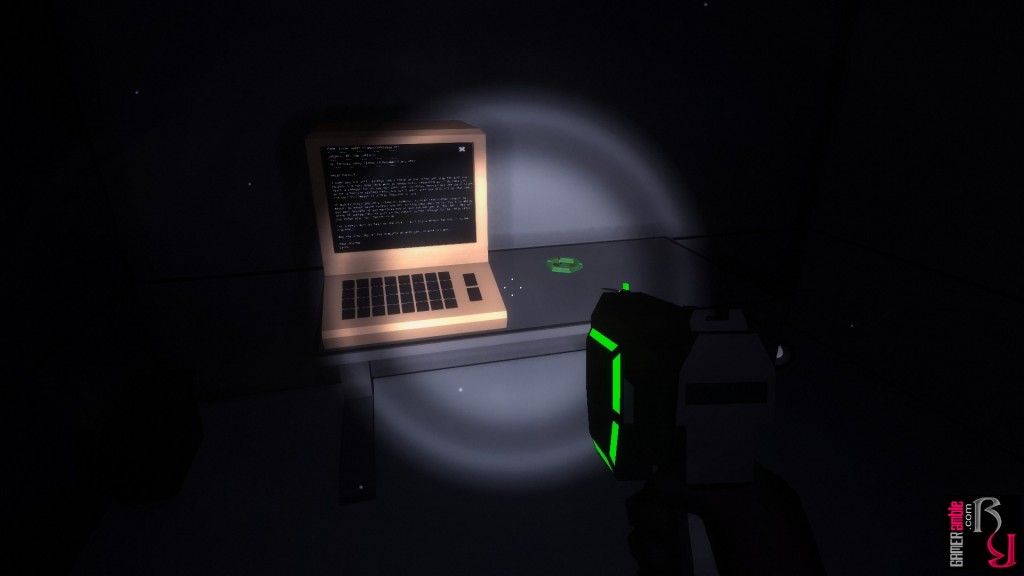
Spirits of Xanadu is set in an alternate version of the 1980s, where mankind appears to have mastered interstellar travel. The research vessel you are sent to investigate isn’t very big, as only three members crewed it, but obviously, things look bleak when you arrive. The crew is nowhere in sight; the robots and defenses onboard are all set to kill, and before you can move the ship anywhere, it needs extensive repairs. You have the freedom to go anywhere, though, and along the way, you uncover what happened by reading notes and emails or listening to the audio logs scattered everywhere.

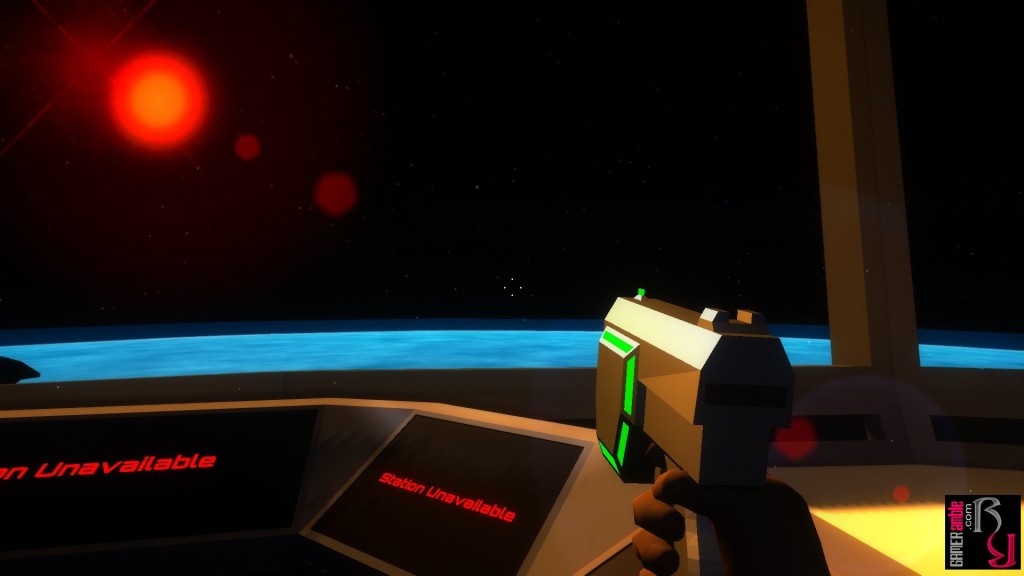
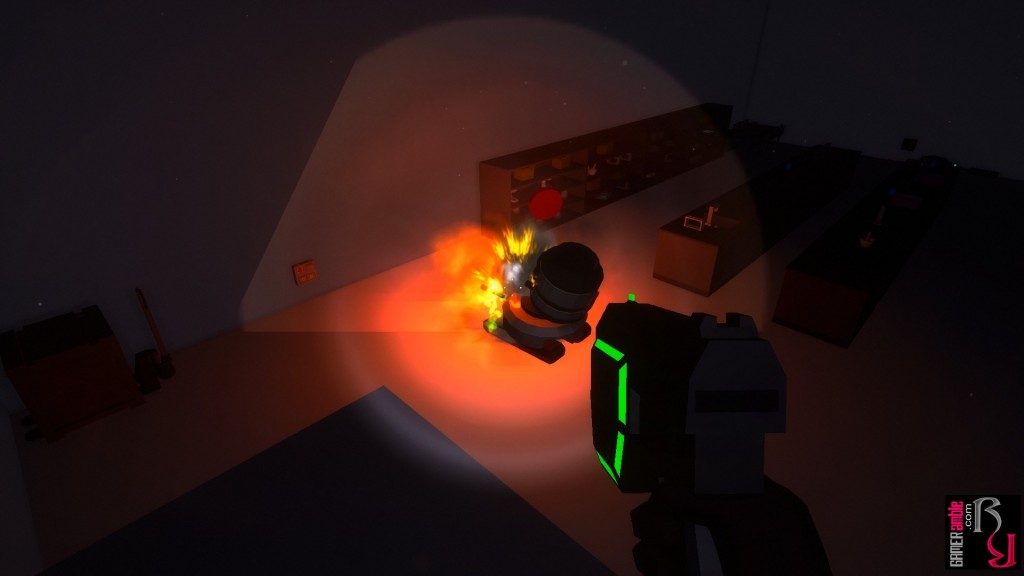
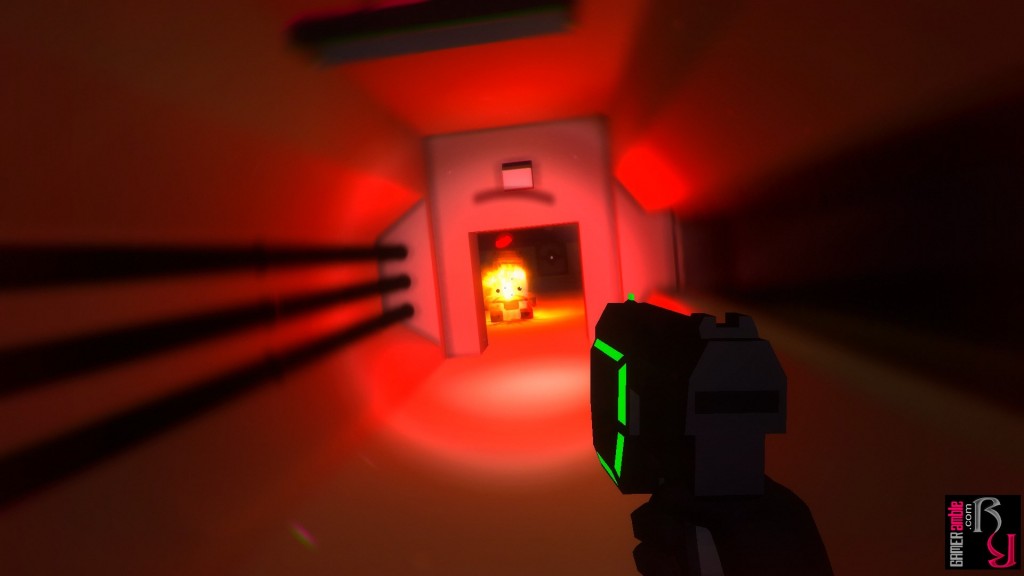
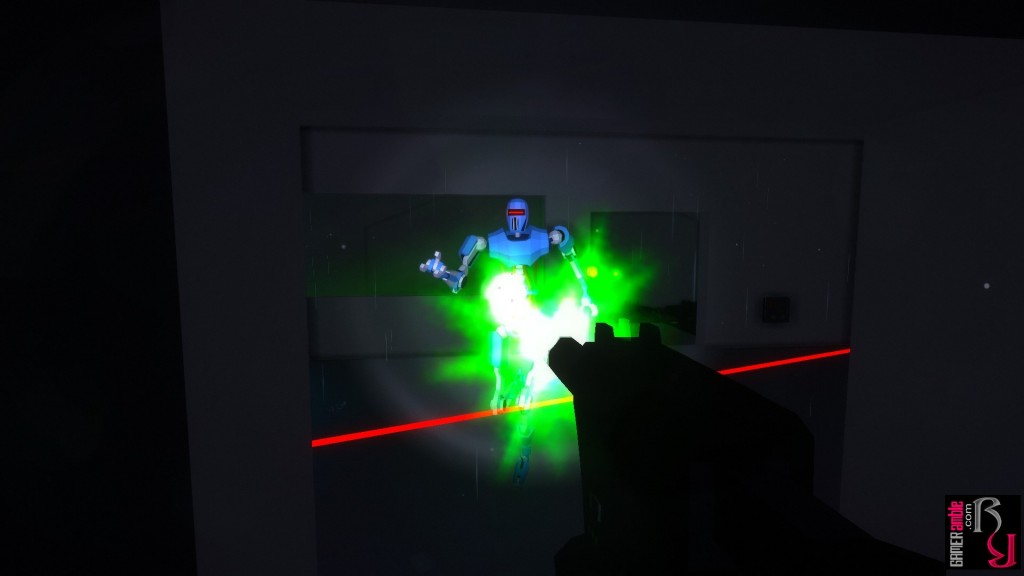
The game is clearly influenced by classics, such as Deus Ex and System Shock 2, but since it was made by a tiny team of indie developers, it is a little less ambitious. The developers still crammed a lot into the small playing area and ensured the environments were as interactive as possible. The game is viewed from a first-person perspective, and although it features three different weapons, we wouldn’t really classify it as a shooter. Enemies are limited to about three different types of robots, and if you hate conflict, you can even play in “peaceful” mode, which turns them all passive. Your mission is also very straightforward, and with a bit of exploring, you can easily power the Xanadu back up and complete your mission. However, if this is all you do, you’ll miss out on a big chunk of what makes the game unique.

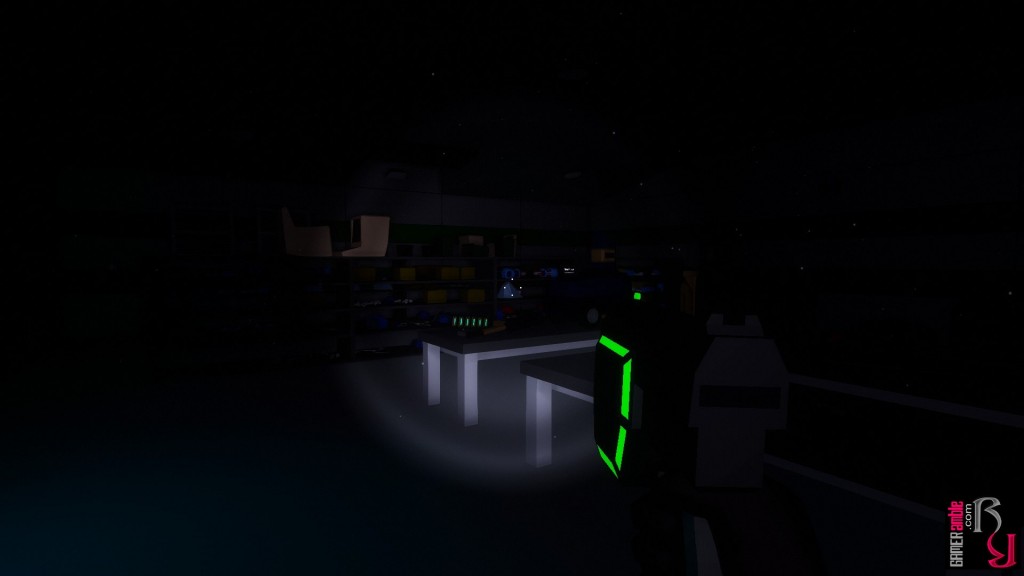
Spirits of Xanadu actually features three different endings, and obtaining all of them will require you to scour every nook and cranny of the ship. The game uses a simple visual style, so don’t expect photo-realistic textures. However, the look fits nicely with the alternate timeline featured in the game. Options-wise, you can enable FXAA and SSAO as well as depth of field and bloom. The shadow quality can also be adjusted, and you can toggle effects such as motion blur, bloom, and film grain. The result is pretty good considering the number of people who worked on the game, and thanks to the great atmosphere, it is immersive.
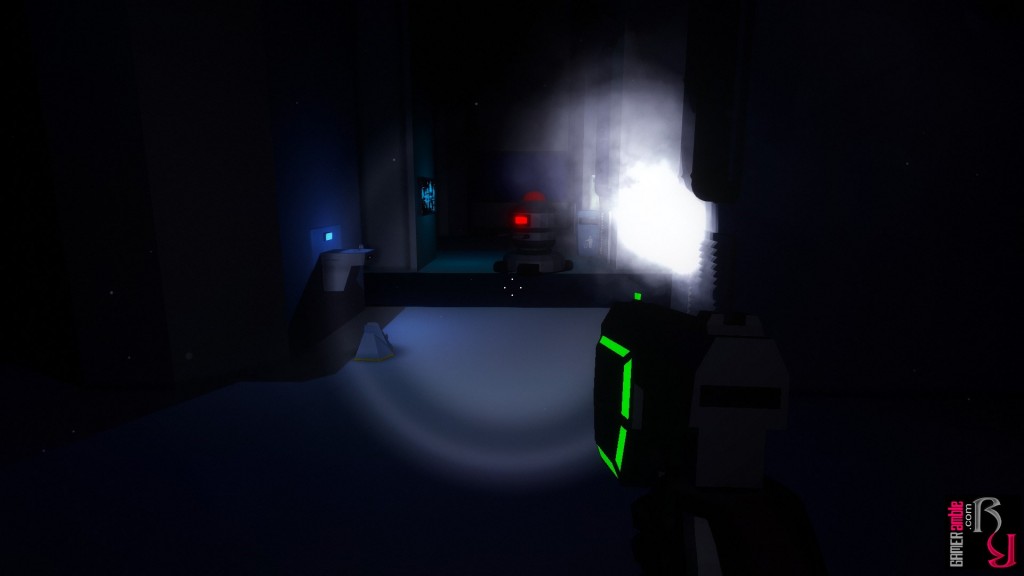
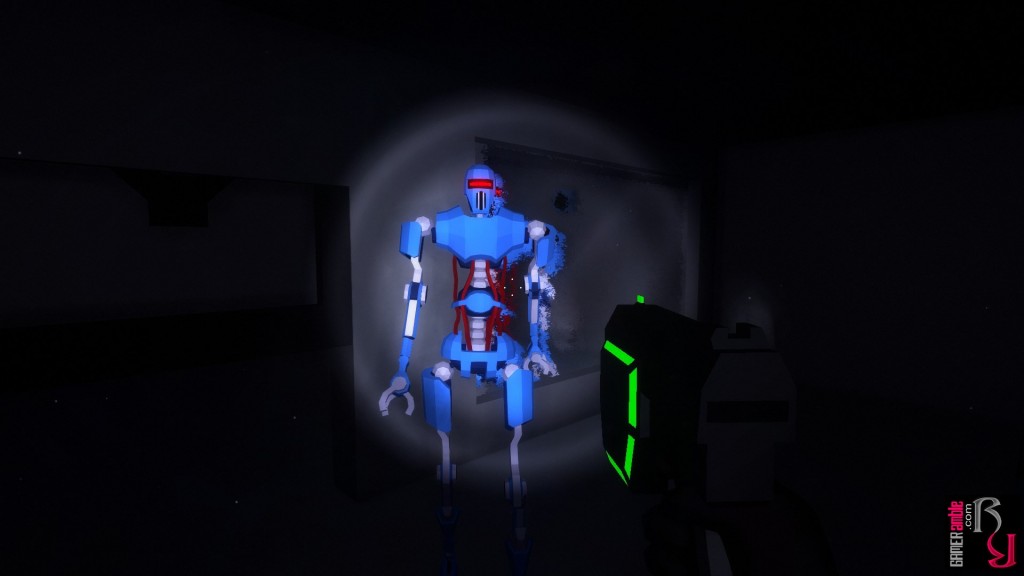
After docking your smaller vessel with the Xanadu, you start the game in the shuttle bay. From there, you can explore areas such as the engine room, engineering section, medical bay, laboratory, offices, bridge, crew quarters, and more. At no point does the game hold your hand, so you are left to your own devices when it comes to figuring out what is going on. Some people will love this, while others will likely miss important clues and wander around aimlessly.

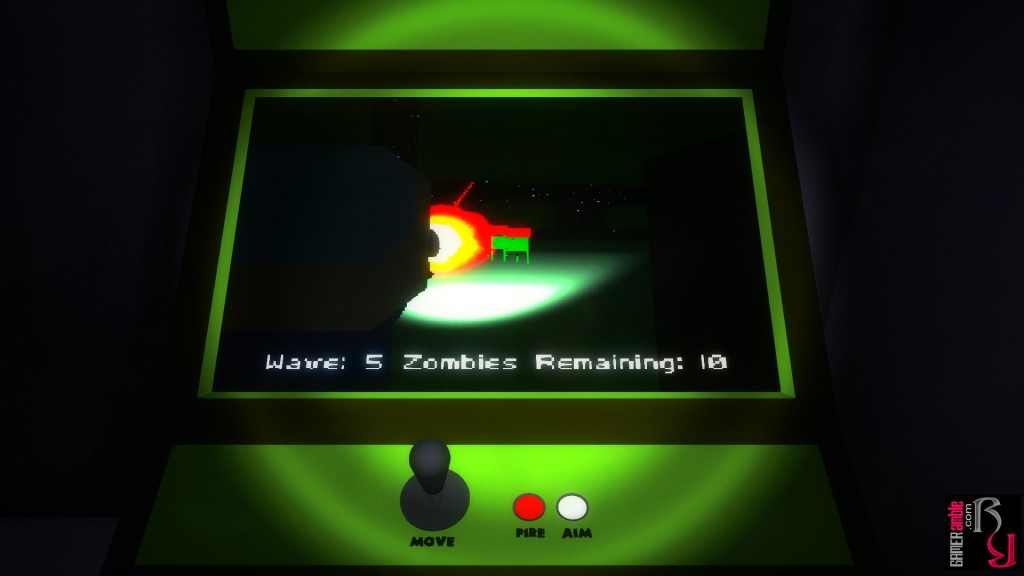
Despite the spooky premise and creepy location, the game doesn’t resort to cheap scare tactics. The robotic enemies in the game can surprise you if you stumble into them, especially the suicidal ones, but you won’t encounter scripted jump scares. Your character can get hurt but recovers without the need for health packs. If you manage to get yourself killed, you simply respawn back in the ship’s brig. The interactive environments are definitely the best part of the game, and we wasted a lot of time messing around with the basketball, guitar, and zombie arcade game. In addition, drawers can be opened and closed, toilets flushed, food eaten, drinks consumed, and you can even smoke so much that your character passes out from it! It is not just audio logs and hidden pages that you’ll discover as you explore either, but also a nice selection of Easter eggs.

Although your character never utters a word, the voice acting in the audio logs you find is very good. These offer a fascinating glimpse into what occurred on the Xanadu before your arrival and range from touching to disturbing. For the most part, the game is quiet, allowing you to concentrate on the audio logs or keep an ear open for the robots roaming about. The sound effects are also more functional than memorable. Spirits of Xanadu is best played using a traditional keyboard and mouse setup, but if you are really determined, it can also be played using a controller. The latter works best if you play the game in peaceful mode, but if you are used to playing console first-person shooters, you’ll feel right at home using a controller. The game doesn’t use checkpoints or auto-saves and instead requires you to activate one of the numerous terminals found throughout the ship to record your mission data.

Players who are fans of the games from which Spirits of Xanadu draws its inspiration will find this game to be an enjoyable experience. We would have liked to see it up the creepiness factor even more, as the game can sometimes feel a bit too sedate. The short playtime is also a drawback, but the multiple endings add to the replay value. Overall, though, we enjoyed our time aboard the Xanadu, and despite some shortcomings, the game is definitely worth checking out.

System Requirements

  • OS: Windows XP SP2 or later
  • Processor: 2.0 GHz dual-core
  • Memory: 2 GB RAM
  • Graphics: Dedicated graphics card with 512MB of VRAM and shader model 3.0
  • DirectX: Version 9.0c
  • Hard Drive: 900 MB available space
  • OS: Windows XP SP2 or later
  • Processor: 2.451 GHz dual-core
  • Memory: 4 GB RAM
  • Graphics: Dedicated graphics card with 512MB of VRAM and shader model 3.0
  • DirectX: Version 9.0c
  • Hard Drive: 900 MB available space

Related posts

A Rose in the Twilight

A Rose in the Twilight

Help a young girl and her giant companion navigate a treacherous castle while unraveling the mystery of the thorns in this unique puzzle title. With its somber visuals and blood drenched gameplay, it is probably not a title that is going to appeal to everyone, but puzzle fans are in for a treat. A Rose In The Twilight can be a little frustrating at times, but makes up for it with challenging puzzles and captivating characters. If you don’t mind your puzzle titles infused with equal measures of cuteness and creepiness then this one comes highly recommended. Gameplay: Making progress requires teamwork, puzzle solving and some light platforming. Graphics: Dark and moody, but very stylish. Sound: No voice acting, but the music is suitably somber.

Evan’s Remains

Evan's Remains

Evan’s Remains is a puzzle platformer that combines logic-based platforming challenges with visual novel-style storytelling. Playing as a young woman named Dysis, players are tasked with making their way along a tropical beach and solving puzzles while searching for a vanished man named Evan. Although very linear, the beautiful 2D pixel art visuals and moving soundtrack make the game a joy to play. However, the focus is very much on the story, so frequent cut-scenes punctuate the brief puzzle platforming sequences. The game is not without its flaws, but overall it is a moving and memorable title. Gameplay: The puzzle platforming sections are fun, but only serve as brief interludes for the main focus of the game, which is the story. Graphics: The pixel art looks beautiful and the game features some excellent backgrounds and fluid animations. Sound: The soundtrack remains calm and soothing throughout while the sound effects are crisp and clear.

STAR WARS™ – The Force Unleashed™ Ultimate Sith Edition

STAR WARS™ - The Force Unleashed™ Ultimate Sith Edition

With so much potential and clearly a lot of work put into the audio and visuals, its hard not to be disappointed by the lackluster level designs and imprecise controls. This Ultimate Sith Edition includes all downloadable content from the console versions plus an extra level set on Hoth, but the rather large download size (30GB) and host of annoyances makes this one for the die-hard Star Wars fans only. Gameplay: Ultimately could have been so much better. Still playable, but not living up to the standards of the Jedi Knight series. Graphics: Excellent art style and some visually stunning locations. Sound: Decent voice acting and stellar audio.

Majotori

Majotori

Majotori is a trivia game that wraps its 1000+ questions in a whimsical narrative experience with over 50 branching storylines. With questions in categories such as video games, cinema, and animation the game is definitely aimed at players who pride themselves on their knowledge of all things geek, but it is also possible to adjust the frequency of certain categories. The witty writing, coupled with the colorful visuals and catchy soundtrack makes for a fun experience that shouldn’t be overlooked. Gameplay: Majotori features plenty of questions and interesting categories while the branching storylines provide the perfect incentive to replay the game. Graphics: The visuals are simple but colorful and eye-catching. Sound: Thanks to a whimsical and catchy soundtrack the lack of voice acting isn’t too noticeable.

Sakura Agent

Sakura Agent

Akira took the job working for a mysterious agency because it gave him the opportunity for free trips around the world and meeting women. However, despite his high success rate, he is on the verge of getting kicked out due to his antics. He has the opportunity to prove himself though when an influx of other-dimensional beings start making a nuisance of themselves. Sakura Agent is a typical Winged Cloud visual novel with plenty of scantily clad women, comical situations and a paper thin plot. If you are a fan of the genre and the developer you’ll enjoy the game, but everyone else will probably find it a little lacking. Gameplay: Humorous characters and situations, but the story isn’t exactly engaging. Graphics: Beautiful character designs, but far too few backgrounds. Sound: The music is unremarkable while the sound effects and voice acting are non existent.

Greak: Memories of Azur

Greak: Memories of Azur

Greak: Memories of Azur is a charming puzzle platformer with the unique premise of being able to control three characters at once. This gimmick definitely has its moments where it shines, but it can become a little cumbersome for many parts of the game. Nevertheless, the beautiful hand-drawn visuals and orchestral soundtrack make for a memorable experience, and the game is still a lot of fun despite the occasional frustrating bits. Gameplay: Controlling three characters at once is fun at times but often a little cumbersome. Graphics: The game has beautiful backgrounds and great hand-drawn animations. Sound: The orchestral soundtrack of Greak: Memories of Azur is incredible.

Leave a comment

two × four =