

Vampire Legends: The True Story of Kisilova
Developer: Organic 2 Digital Studio | Publisher: Artifex Mundi sp. z o.o. | Release Date: 2015 | Genre: Adventure / Casual / Hidden Object | Website: Official Website | Purchase: Steam
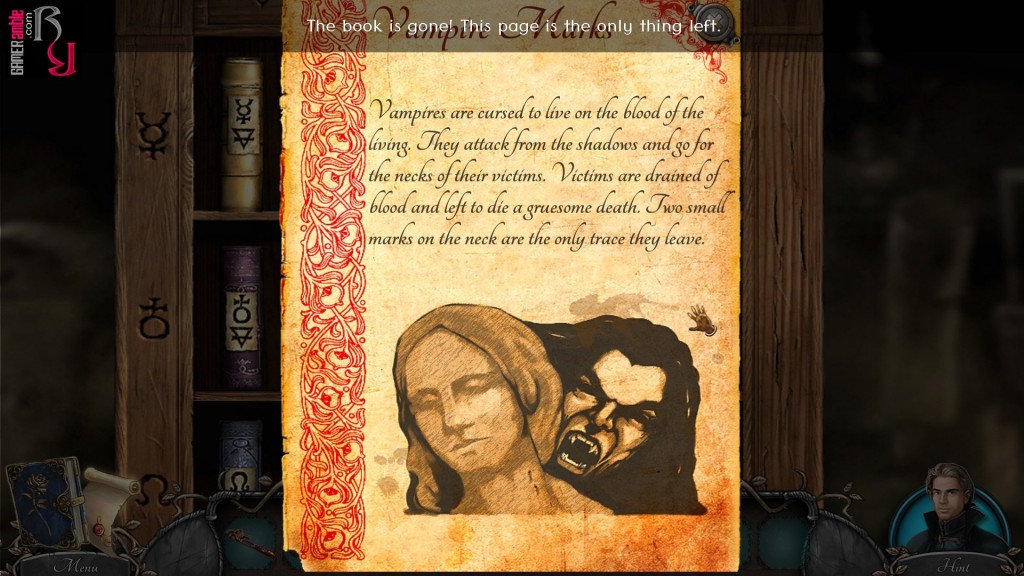
Forget Dracula and Transylvania, for the true origins of the vampire legends take a trip to the small Serbian town of Kisilova. It was there where a peasant named Petar Blagojevich was accused of becoming a vampire after his death in 1725. Nine of his fellow villagers were said to have fallen ill and died shortly afterwards, all of them claiming on their deathbeds that it was the doing of Petar. It is this setting that Vampire Legends: The True Story of Kisilova uses as a basis for its story and location, casting players in the role of Imperial emissaries who are sent to investigate the town and stop any more deaths.
Since it takes place in 18th century Europe and players get to explore a remote that is said to be terrorized by a vampire the game has a nice creepy atmosphere. Apart from the vampire the game is actually surprisingly free of supernatural elements, which makes it even more interesting. The game features 62 hand-painted areas and while it has been out for a couple of years already before landing on Steam the artwork still holds up well. The locations, which includes graveyards, churches, secret rooms, dark forests and plenty of others, all look great and contribute to the mysterious atmosphere of the game. The locations are also varied enough that exploration does not feel like a chore and there is always something new around the next corner. Most of the scenes also feature some form of animation, whether it is bugs scuttering about or trees blowing in the wind, which is always welcome.
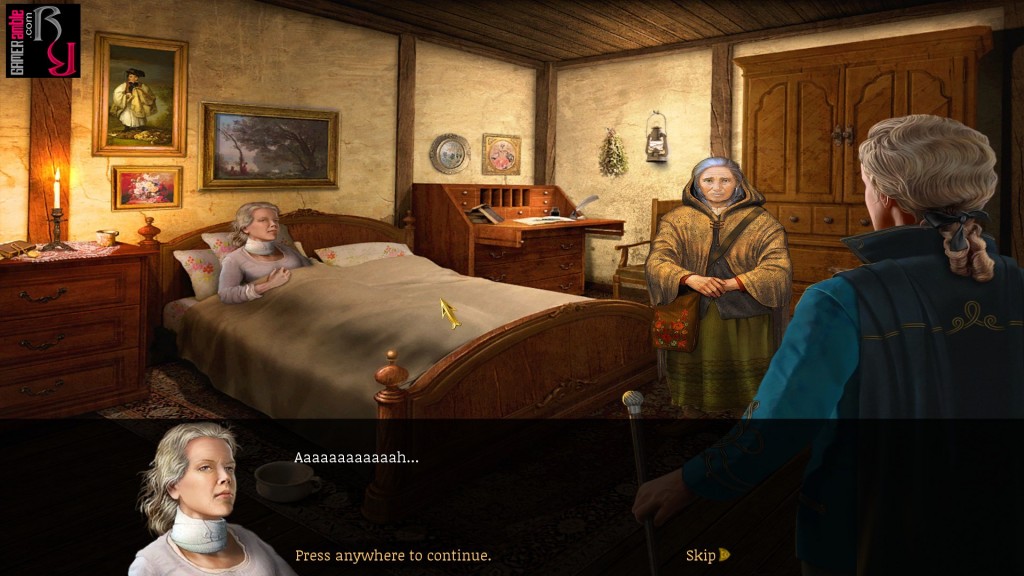
Since most of the town has fled their homes in fear that the vampire outbreak might actually be the plague again there are not a lot of folks to talk to. You do get to question the few that are left and the voice acting is for the most part pretty good. There are a couple of lines that sounded a bit wooden to us, but overall the audio is good. The game actually features plenty of background music, but all the tracks are kept moody and low-key to add to the creepy atmosphere. A special mention should also go to the sound effects as all of them are great.

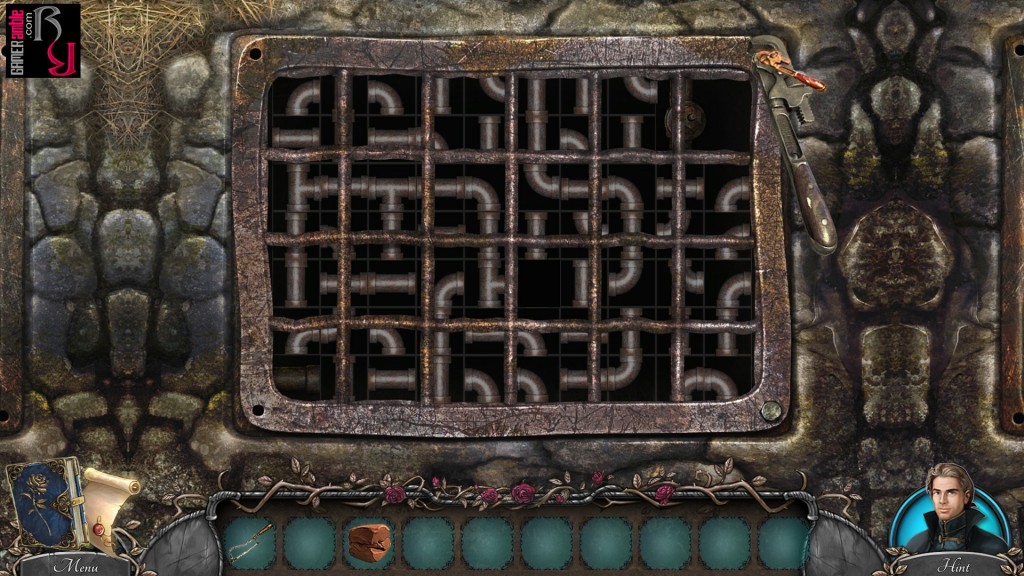
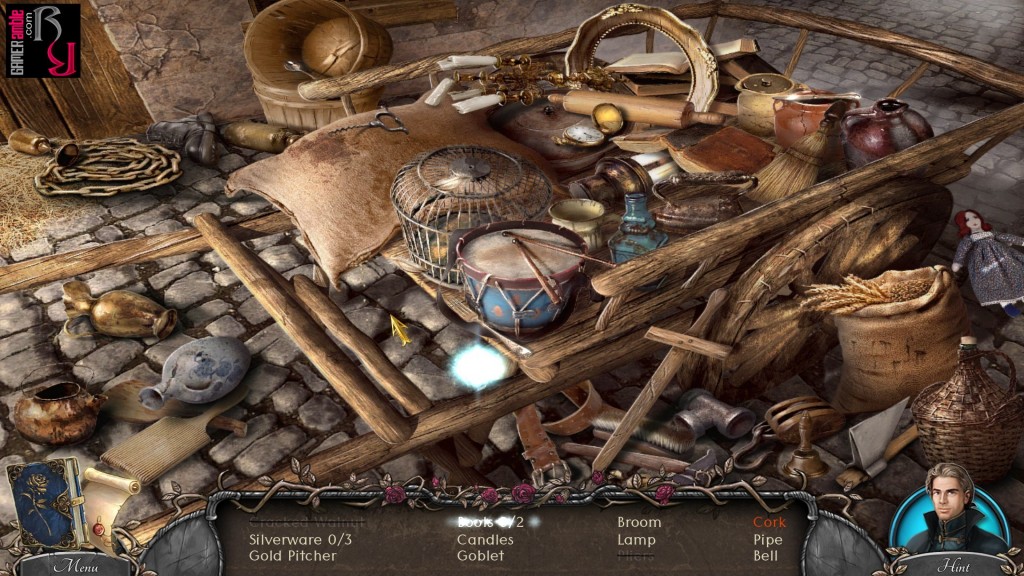
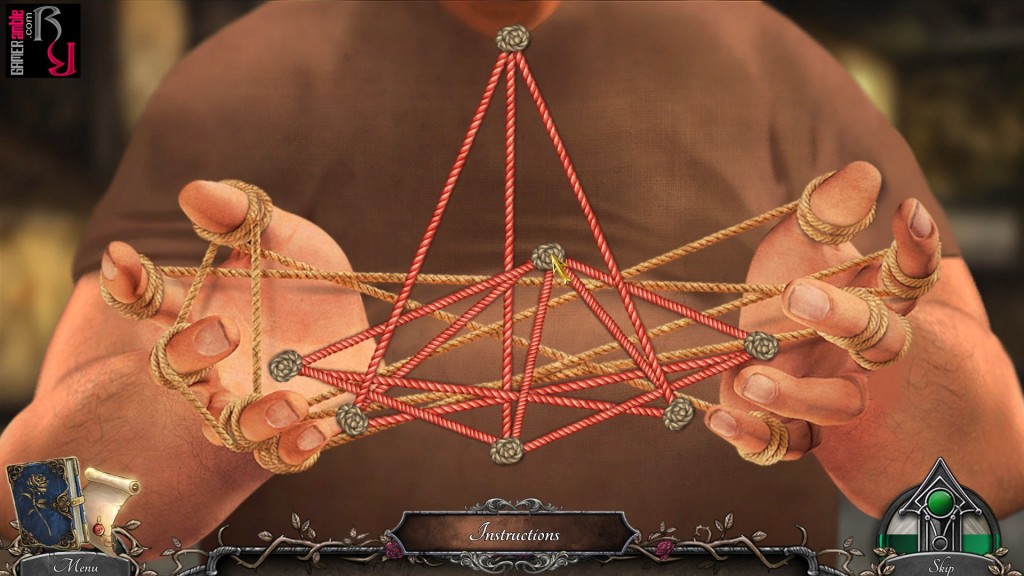
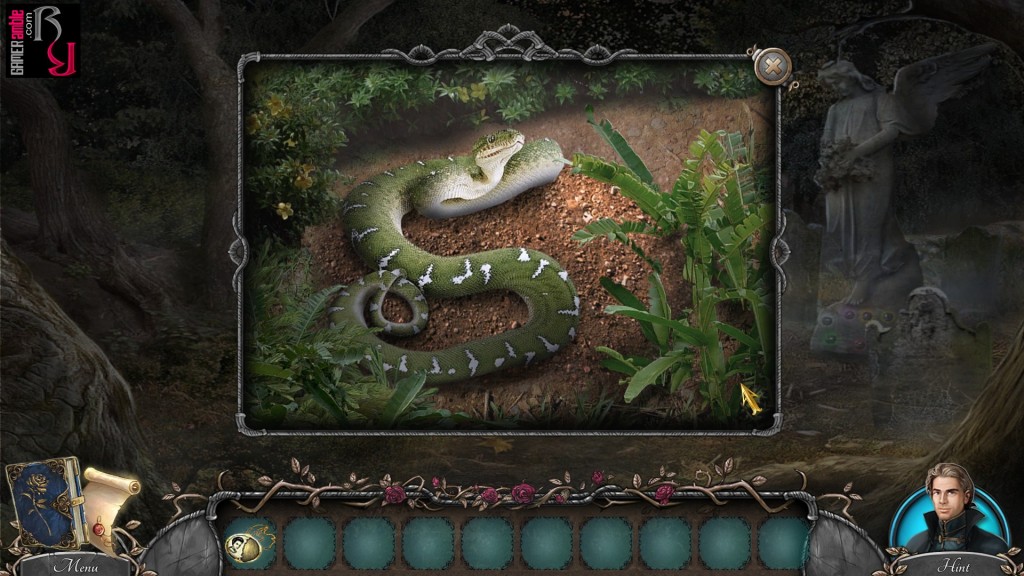
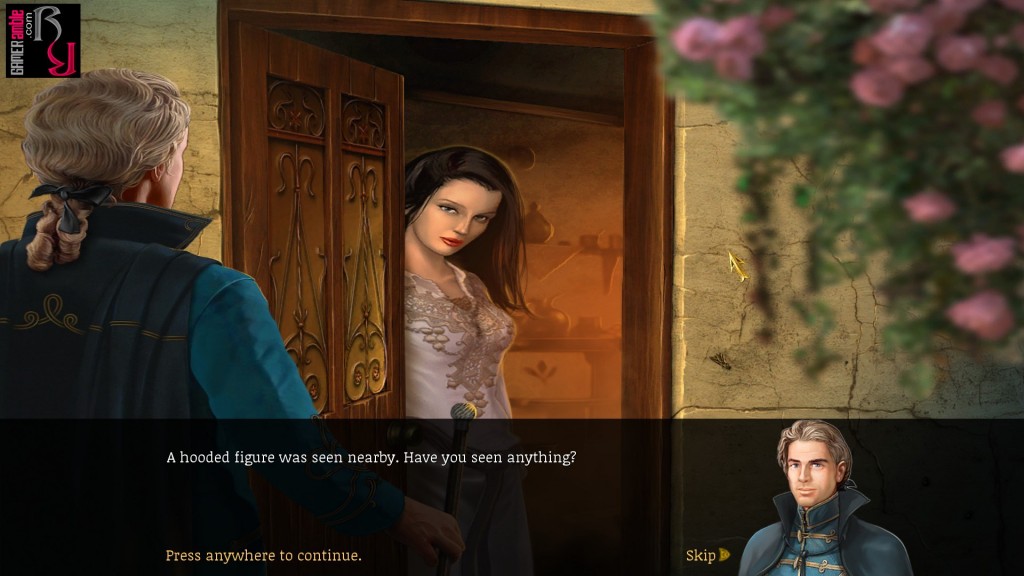
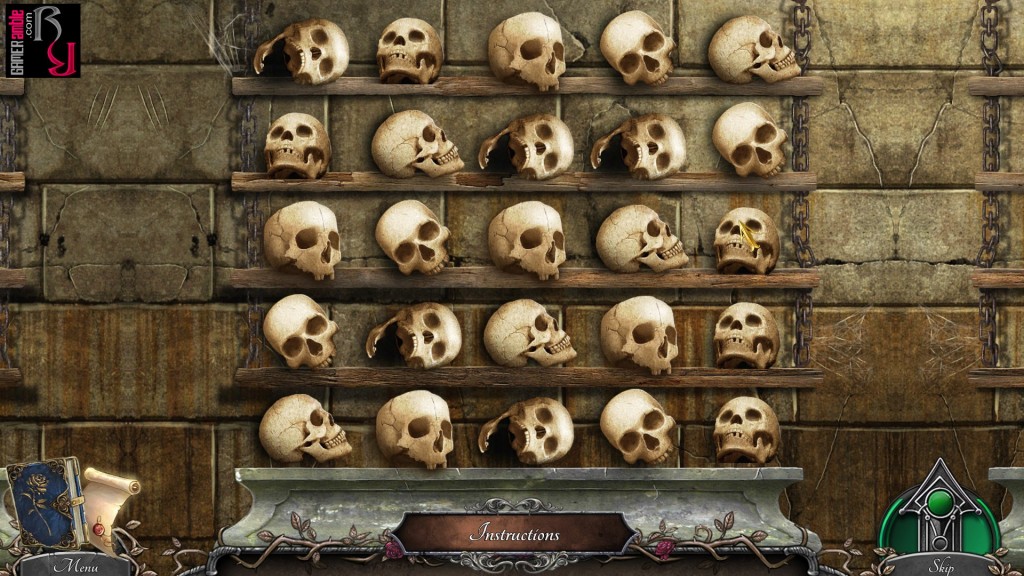


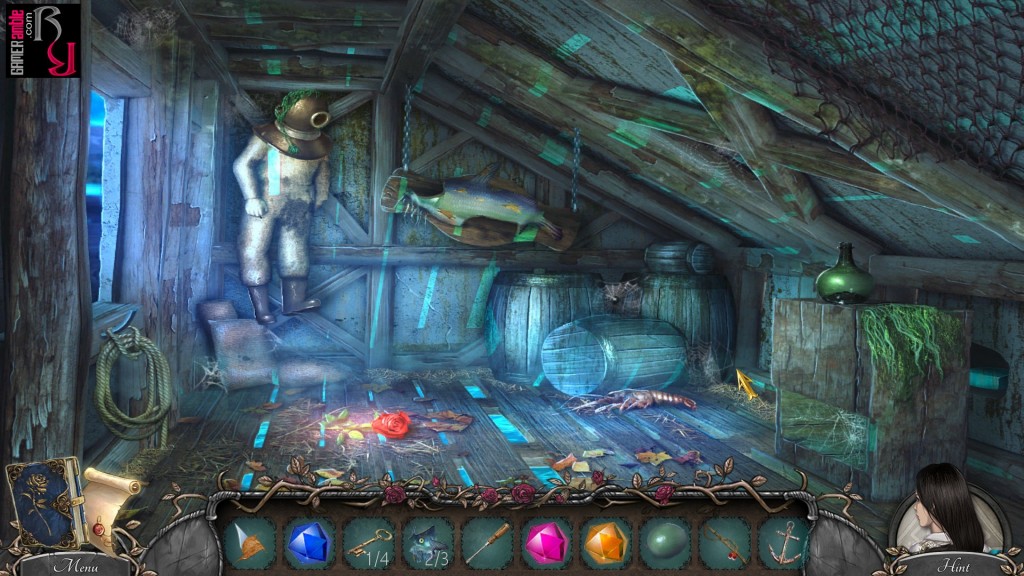
There is more to Kisilova than just wandering around talking to the locals and completing hidden object scenes though. The game also features 36 mini-games that range from laughably easy to quite tricky. They complement the 21 hidden object scenes nicely and offers plenty of variety. The mini-games also fit in nicely with the overall style and atmosphere of the game, so they definitely don’t’ feel like they were tacked on as an afterthought. The hidden object scenes are relatively easy as they are not very cluttered and contain a fairly logical collection of items. Some objects in these scenes must be moved around to reveal the objects you are looking for and you also need to use certain objects on other ones which makes things a bit more interactive.
The game features three difficulty settings and is straightforward enough that players of all skill levels should have no trouble completing the story. The “Regular” setting has hint and skip buttons that recharges faster, active zones are marked with a glimmer, hidden object scenes are all marked and have no miss-click penalties, and locations with available actions are all indicated on your map. Playing on “Advanced” adds a miss-click penalty to the hidden object scenes, removes the indicators for active zones and the hint as well as skip buttons recharges much slower. Finally, on the “Expert” setting locations with available actions are no longer indicated on your map. Since there is a logical flow to the game and very little backtracking it only takes a couple of hours to complete the main story.
The version of Vampire Legends: The True Story of Kisilova that is available on Steam is actually the collector’s edition of the game and comes with a host of bonus content. Players can unlock photos of how the town that is believed to be Kisilova looks today and there are even two video interviews about the town and vampires. Also included are some nice concept art, but the highlight is the bonus chapter that takes place a few years after the main storyline. It features one of the original investigators returning to Kisilova and discovering a new threat that has to be dealt with. The bonus chapter is actually fairly lengthy and features plenty of new locations along with puzzles and hidden object scenes, making it well worth checking out.
Although Vampire Legends: The True Story of Kisilova will be a little on the easy side for veteran fans of the genre it still offers a very engrossing and enjoyable experience. The story is perhaps not as deep as we would have liked considering the source material, but it is still very entertaining. We have no qualms recommending it to fans of the genre, but newcomers will probably enjoy it the most.
System Requirements
- Minimum PC System Requirements
- Recommended PC System Requirements
- Minimum Mac OS X System Requirements
- Recommended Mac OS X System Requirements
- Minimum SteamOS + Linux System Requirements
- Recommended SteamOS + Linux System Requirements
- OS: Windows XP, Windows Vista, Windows 7, Windows 8
- Processor: 1.5 GHz
- Memory: 512 MB RAM
- Graphics: 128 MB VRAM
- DirectX: Version 9.0
- Storage: 1 GB available space
- OS: Windows XP, Windows Vista, Windows 7, Windows 8
- Processor: 2 GHz
- Memory: 1 GB RAM
- Graphics: 256 MB VRAM
- DirectX: Version 9.0
- Storage: 1 GB available space
- OS: 10.6.8
- Processor: 1.5 GHz
- Memory: 512 MB RAM
- Graphics: 128 MB VRAM
- Storage: 1 GB available space
- OS: 10.6.8
- Processor: 2 GHz
- Memory: 1 GB RAM
- Graphics: 256 MB VRAM
- Storage: 1 GB available space
- OS: Ubuntu 12.04 (32/64bit)
- Processor: 1.5 GHz
- Memory: 512 MB RAM
- Graphics: 128 MB VRAM
- Storage: 1 GB available space
- OS: Ubuntu 12.04 (32/64bit)
- Processor: 2 GHz
- Memory: 1 GB RAM
- Graphics: 256 MB VRAM
- Storage: 1 GB available space


