

Montague’s Mount
Developer: PolyPusher Studios | Publisher: PolyPusher Studios | Release Date: 2013 | Genre: Adventure / Indie | Website: Official Website | Purchase: Steam
Montague’s Mount opens with your character waking up on the rainy shores of a seemingly deserted island. With no recollection of how he got there and no inhabitants in sight to provide any answers he must set out on a journey to discover the secrets of the island. Along the way he will also unravel the mystery of his own past and what exactly his ties are to the island.
Montague’s Mount bills itself as a psychological thriller and the abandoned island setting immediately conjures up images of Dear Esther. While the two games share a first person perspective and love for long walks on the beach, Montague’s Mount attempts to up the ante by mixing puzzles with all the exploration. It is also a much darker experience, both literally and figuratively but sadly not without a few flaws.
Your character is injured from what appears to be a shipwreck so your first task is finding a walking stick. The problem is that even with the walking stick progress is still painfully slow and sure to annoy impatient players. Patience is definitely the key to getting the most out of this game as most of the puzzles involve combing the environments for the objects required to solve puzzles. If you miss something you have to backtrack which due to the slow movement speed isn’t all that fun.
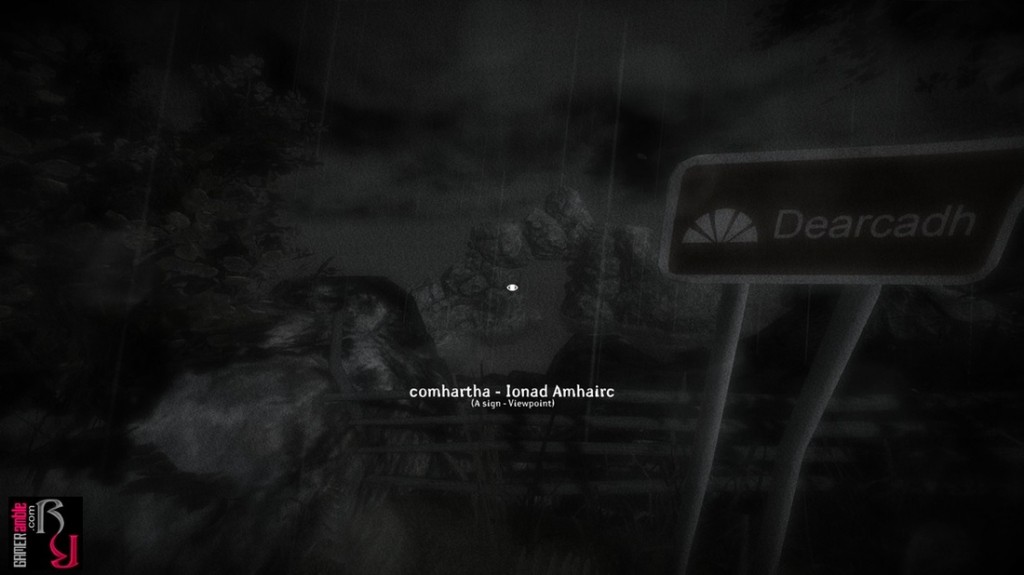
The visuals are good at portraying the dark, gloomy atmosphere of the island with desaturated colors and random thunderstorms that further obscure your vision with rain beating down. The problem is that this also makes it harder to spot some of the objects you need to find for the puzzles. These items are already rather small and tend to blend in with the scattered belongings of the inhabitants that litter the island. Objects that you can pick up are highlighted when you move your mouse cursor over them but spotting them amongst the books, photos, broken records and discarded furniture requires a keen eye. My other issue with the visuals is the pieces of paper with instructions that are found throughout the game. You cannot pick these up or even zoom in so you have to position yourself in such a manner that you can read the small text. These are mostly tutorial hints but it would have been much more convenient if handled in the same fashion as the diary entries you find scattered about. The game has support for the Oculus Rift VR headset although at this stage it is only a demo with the promised update to the full version still coming.


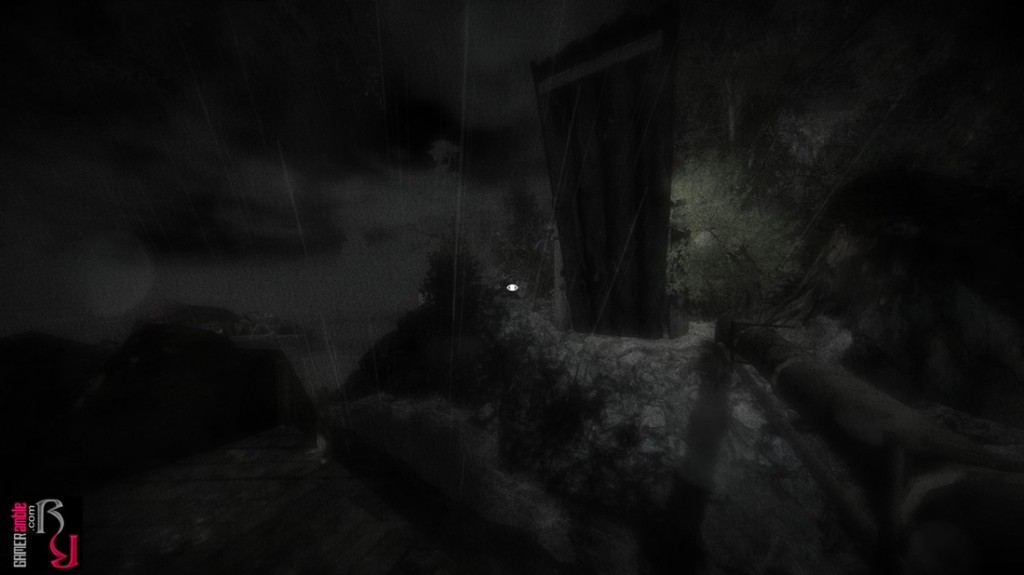
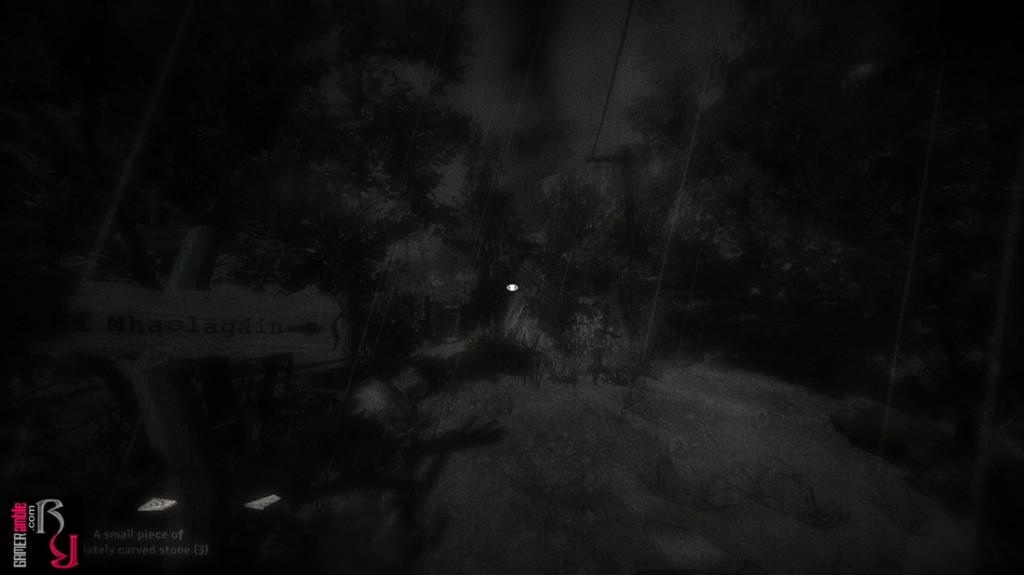

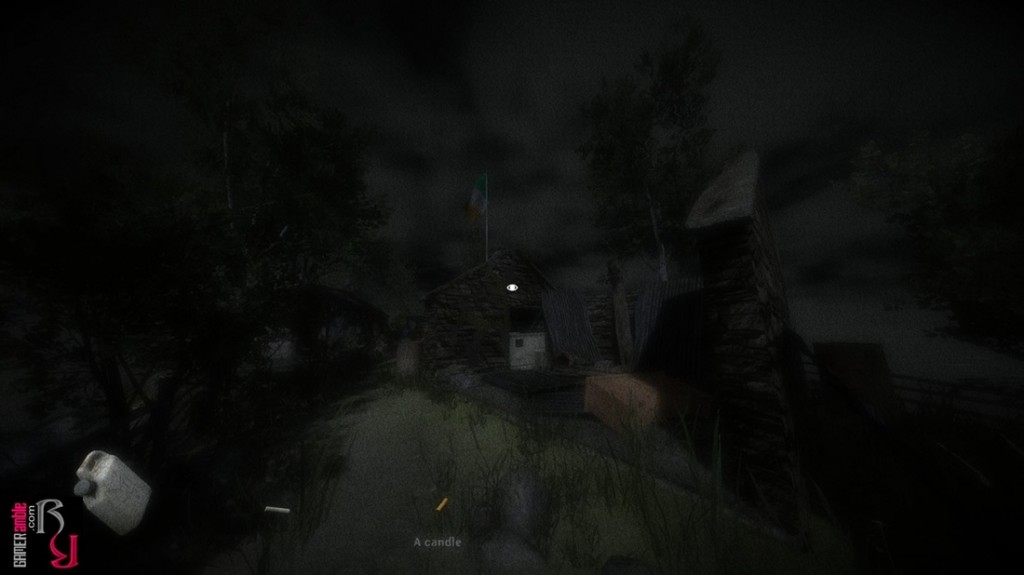

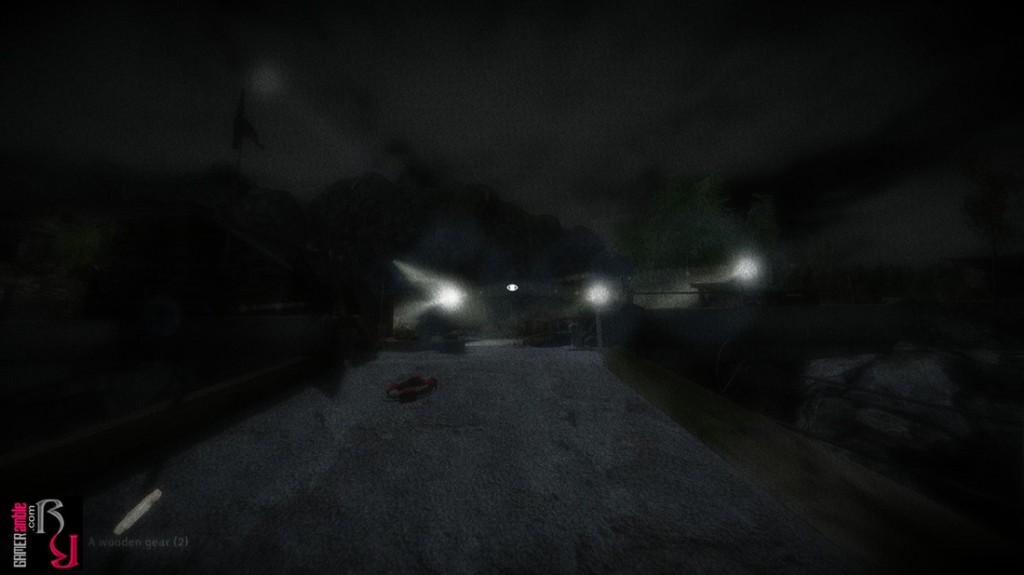
The island isn’t that big but your progress is hampered by a series of gates that can only be opened by solving some puzzles. The puzzles are rather interesting but can be a bit obscure and definitely feel out of place considering the location. Using Morse code and colored spindles to lower a bridge makes for a tricky puzzle but begs the question why and how the inhabitants of the tiny island came up with such elaborate machinations. Thankfully most puzzle components are located not too far from the actual puzzle but like I mentioned if you miss these you will have to do some backtracking.
The highlight of the game for me was the audio with some fantastic piano tunes. In fact, I got so caught up in the music that at times I jumped when my character randomly coughed. There are some good ambient effects as well and the voice acting, provided by Derek Riddell is top notch. His narration gave me goosebumps at times and he manages to deliver his lines with plenty of conviction and emotion. The story deals with mental illness, isolation and depression and Derek manages to hit this point home without making things sound corny or over the top. Montague’s Mount also claims to be the first game to promote the Irish language by displaying the Gaeilge names for all objects you can examine on the island. This is a nice touch and the English translation is displayed as well so you might just learn a few new words.
It took me just over three hours to complete the game and get all but one of the twenty achievements. This isn’t too bad considering the low price but the ending definitely left me wanting to know more. This is only the first part of the story so I was left with more questions than answers but I am definitely looking forward to finding out what else is in store for the lead character. The game is a bit rough around the edges with my character sometimes getting snagged on the edges of objects. I was also bit by one particularly nasty bug where my entire inventory disappeared and I was forced to revert to an earlier checkpoint. Then there is the checkpoint based save system itself which I am not too fond of but then again the game is short enough that it isn’t that big of an issue.
There is no doubt that Montague’s Mount is not going to appeal to everyone but despite the flaws I was hooked right to the end. The developers have nailed the bleak, desolate atmosphere of the island and with a bit more polish the game can really shine. Just make sure that you have enough patience for the slow pace and puzzles otherwise you will end up being frustrated.
*Review originally published 2013.
System Requirements
- Minimum PC System Requirements
- Minimum Mac OS X System Requirements
- Minimum SteamOS + Linux System Requirements
- OS: Windows XP SP3, Windows Vista/7/8
- Processor: Intel Core i3 (2 * 3200 MHz)
- Memory: 2 GB RAM
- Graphics: Radeon HD 2900 XT or GeForce 8800 GTX
- DirectX: Version 9.0c
- Storage: 2 GB available space
- Sound Card: DirectX 9.0c compatible, 16-bit
- OS: Mac OS X (10.7 or higher)
- Processor: Intel Core i3 (2 * 3200 MHz)
- Memory: 2 GB RAM
- Graphics: Radeon HD 5750 or GeForce GT 640M
- Storage: 2 GB available space
- OS: Ubuntu 12.04
- Processor: Intel Core i3 (2 * 3200 MHz)
- Memory: 2 GB RAM
- Graphics: Radeon HD 2900 XT or GeForce 8800 GTX
- Storage: 2 GB available space


